Pet Bird Care Tips
Providing a happy, healthy home for a feathered friend starts with solid PetSmart Bird Care Tips. Whether you are a first‑time parrot owner or adding a new finch to an existing aviary, the principles of proper nutrition, safe housing, and regular health monitoring remain the same. In this guide we’ll walk you through each essential step so you can feel confident that your bird thrives under your care, and we’ll reference trusted sources such as the American Veterinary Medical Association and Cornell University’s Bird Health Program. Let’s explore the core components of avian wellbeing, from cage selection to enrichment activities, and give your bird the quality of life it deserves.
Choosing the Right Cage and Perches
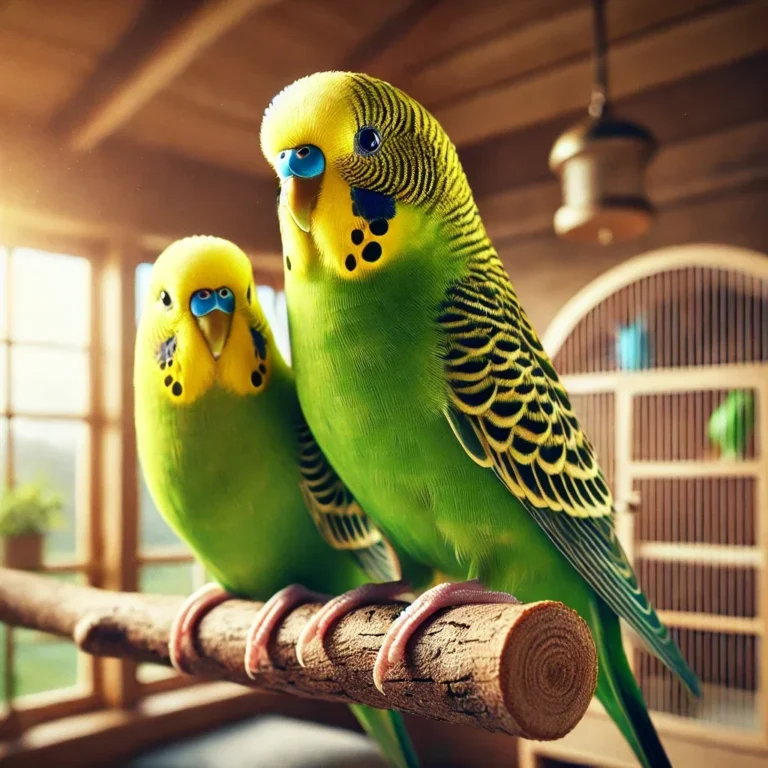
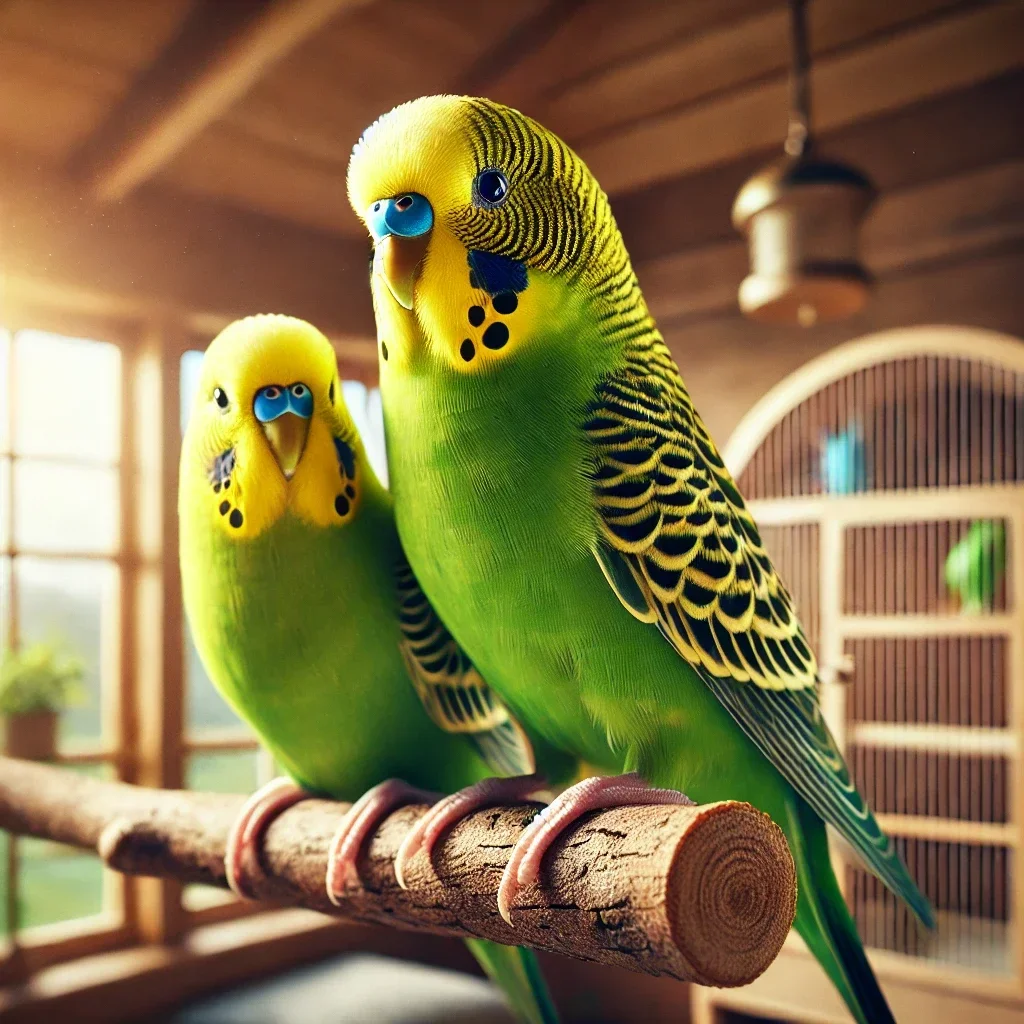
Size matters more than aesthetic appeal when selecting a cage. A cage that is too small restricts flight, elevates stress, and can lead to skeletal problems. For a medium‑sized parrot (e.g., African Grey, Amazon), aim for a minimum interior dimension of 24″ wide, 24″ deep, and 36″ tall. Smaller species like budgerigars or canaries can thrive in a 18″ by 18″ cage, but still need ample vertical space for climbing.
- Bar spacing: Keep bars ½‑inch apart for larger birds; ¼‑inch for tiny finches to prevent escape or injuries.
- Material: Choose stainless steel or powder‑coated metal to avoid rust and toxic paint.
- Easy cleaning: Removable trays and hinged doors simplify daily sanitation.
Perches should mimic natural branches. Rotate between natural wood, rope, and concrete to promote foot health and prevent pressure sores. When buying from PetSmart, look for perches labeled “natural branch” rather than plastic replicas.
Nutrition and Diet Basics
A balanced diet is the cornerstone of avian health. Most pet birds require a mix of high‑quality pellets, fresh fruits and vegetables, and occasional seeds. According to the Wikipedia article on bird care, pellets provide essential vitamins and minerals lacking in seed‑only diets, while fresh produce supplies antioxidants and fiber.
Fresh Foods and Supplements
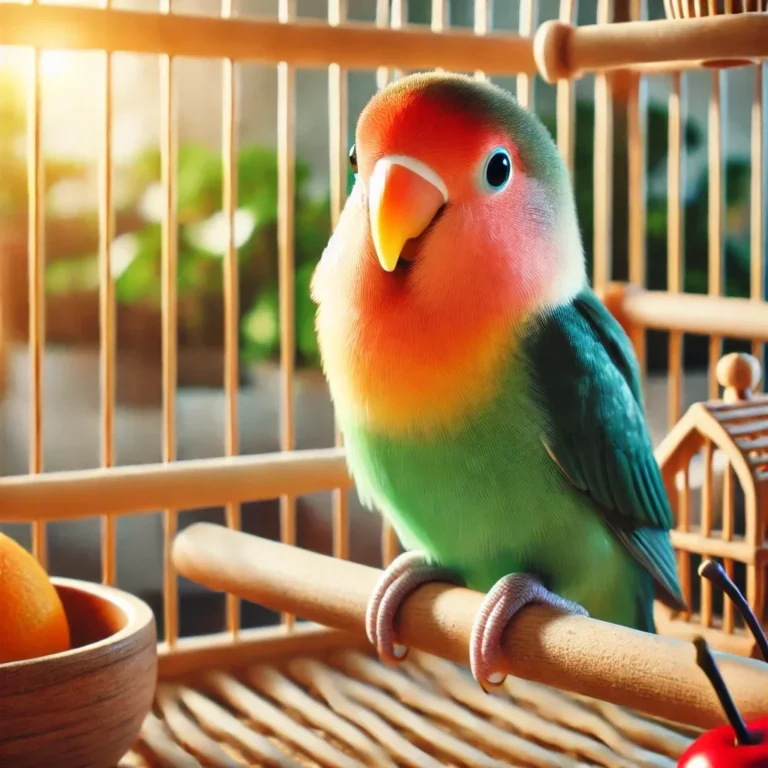
Introduce a variety of color‑rich vegetables such as kale, carrots, and bell peppers to encourage foraging behavior. Fruits like berries and apples should be offered in moderation due to sugar content. For species with higher calcium needs—like breeding females—offer a calcium supplement or crushed eggshells two to three times per week. Always wash produce thoroughly to remove pesticides.
Daily Health Checks and Hygiene
Consistent observation is key to catching problems early. A quick 5‑minute health check each day can reveal issues before they become serious. Watch for changes in feather condition, appetite, vocalizations, and droppings.
- Feather assessment: Look for broken or missing feathers, which may signal stress or nutrition deficits.
- Droplet analysis: Healthy droppings are firm with a clear distinction between solid and liquid parts; watery or discolored waste can indicate infection.
- Beak and claw inspection: Overgrown beaks or claws require gentle trimming; uneven growth can point to dietary imbalances.
- Respiratory sounds: Listen for wheezing or rattling, especially in humid environments where fungal spores thrive.
Cleaning the cage at least once a week prevents bacterial buildup. Use a bird‑safe disinfectant, rinse thoroughly, and replace liner bedding. The CDC’s bird guidelines emphasize the importance of hand‑washing after handling cages or food.
Enrichment and Mental Stimulation
Birds are highly intelligent and need mental challenges to avoid boredom‑induced behaviors like feather plucking. Provide a rotating selection of toys—shreddable paper, foraging puzzles, and mirrors—for varied stimulation. Position toys at different heights to encourage climbing.
Training and Social Interaction
Positive reinforcement training strengthens trust and mimics natural social structures. Teach simple commands such as “step up” using treats and gentle praise. Social birds, especially parrots, thrive on daily interaction with a human companion or another compatible bird. If you have a single bird, allocate at least 30 minutes of focused play each day.
Noise levels matter too. Place the cage away from drafty windows and loud appliances, but within a family‑friendly area where the bird can hear conversation and gentle music—studies from the National Institutes of Health show that calming background sounds reduce stress hormones.
Seasonal Care Adjustments
Temperature fluctuations affect metabolism. In colder months, increase caloric intake by 10‑15 % and provide a safe, draft‑free perch. During hot summer days, ensure fresh water is always available, and mist the cage lightly to raise humidity—most tropical birds enjoy a humidity range of 50‑60 %.
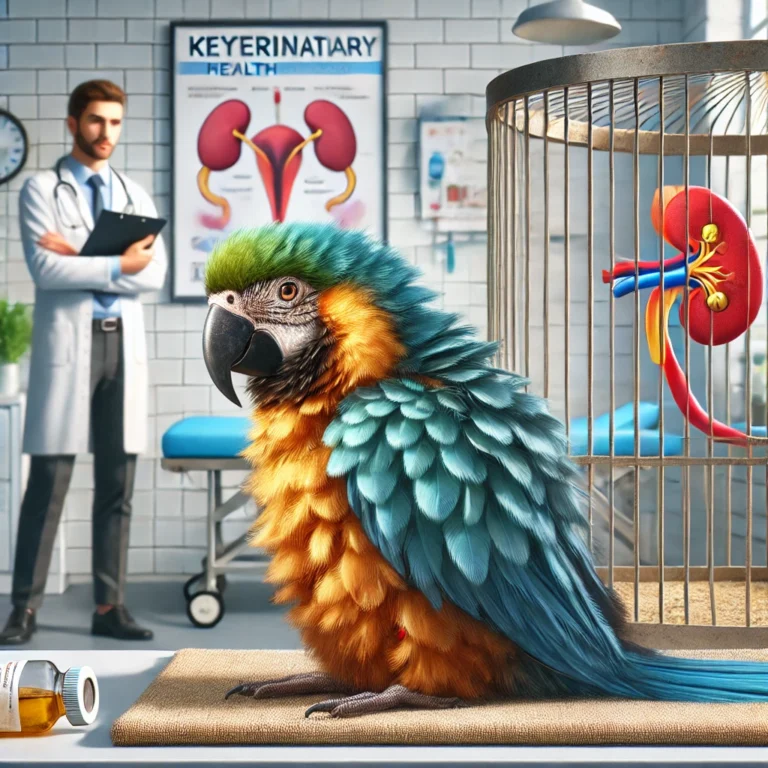
Regular veterinary check‑ups, at least once a year, are essential. A qualified avian veterinarian can perform a feather pulp test, blood work, and parasite screening. The USDA Food Safety and Inspection Service provides guidelines on safe handling of bird feed to prevent contamination.
Conclusion
By integrating these comprehensive PetSmart Bird Care Tips—proper cage selection, balanced nutrition, daily health checks, and enriching activities—you set the stage for a vibrant, long‑lived companion. Remember, consistency and observation are your best tools; when in doubt, consult an avian specialist. Ready to elevate your bird‑care routine? Visit your local PetSmart today, explore the latest health‑focused accessories, and schedule a free wellness consultation. Your feathered friend will thank you with joyful chirps and dazzling plumage.
Frequently Asked Questions
Q1. How often should I clean my bird’s cage?
It’s best to do a full clean once a week, removing all debris, washing perches, and replacing liner. Spot‑clean daily by removing droppings and leftover food to keep bacteria down.
Q2. What’s the ideal diet for a pet parrot?
A balanced diet includes high‑quality pellets as the base, supplemented with fresh fruits, vegetables, and occasional seeds. Rotate produce to provide variety and add calcium sources for breeding females.
Q3. How can I prevent my bird from feather‑plucking?
Provide mental enrichment through toys, foraging puzzles, and regular social interaction. Ensure the cage is spacious, the diet is nutritious, and stressors like loud noises are minimized.
Q4. Do birds need regular veterinary check‑ups?
Yes—an avian vet should examine your bird at least once a year for a physical exam, feather pulp test, and parasite screening. Early detection helps prevent serious illness.
Q5. What temperature range is safe for tropical birds?
Tropical species thrive in temperatures between 65°F and 80°F (18‑27°C). In colder months raise calories slightly, and in hot weather ensure fresh water and humidity around 50‑60 %.