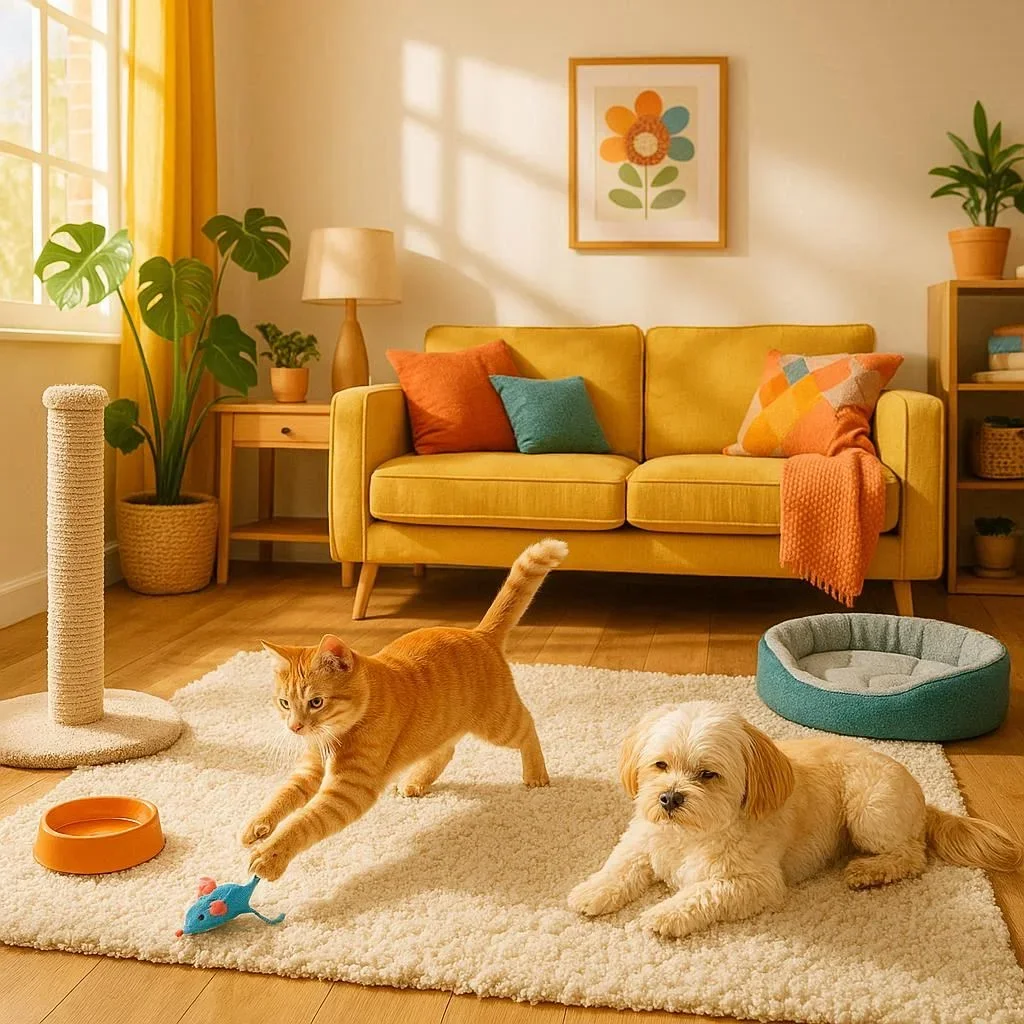
Organizing Pet Toys: Tips to Keep Play Areas Tidy
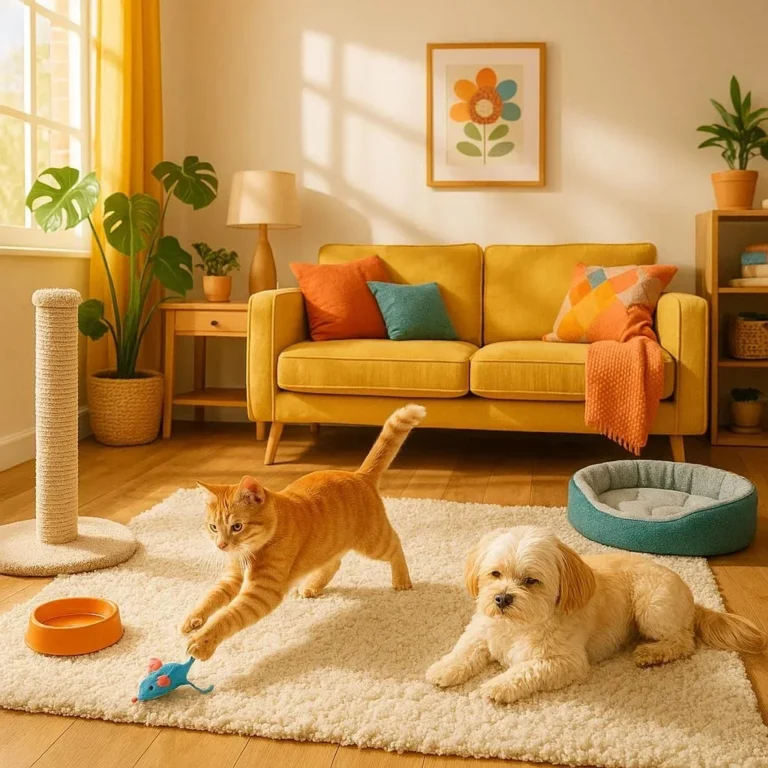
Managing a pet’s toy collection can feel like a constant battle against clutter. Whether you have a busy dog, a curious cat, or an energetic bunny, a well‑organized play area not only keeps the environment safer but also improves your pet’s focus and well‑being. Below is a step‑by‑step guide that combines practical organization hacks, reputable research, and actionable storage solutions.
Why an Organized Pet Play Area Matters
- Safety first – Loose toys scattered around a floor can become tripping hazards or choking risks for small pets.
- Mental enrichment – A clear environment helps pets discover new toys without overwhelm, promoting healthy play habits.
- Health benefits – Reduced dust and dirt build‑up lowers the risk of allergies and respiratory issues.
- Time savings – When toys are easy to locate, clean‑up becomes a quick, stress‑free chore.
According to the American Veterinary Medical Association, cluttered spaces can increase anxiety in animals, leading to destructive behaviors. By maintaining a tidy play zone, you also reduce mess that could harbor pathogens.
Assessing Your Current Toy Inventory
- Count the toys – List every item: chew toys, plushies, balls, interactive puzzles, etc.
- Sort by type and usage – Group by material (rubber, fabric, plastic) and frequency (daily, occasional, seasonal).
- Identify duplicates or obsolete items – Remove any that no longer interest your pet or are damaged.
- Rate the play value – Score each toy from 1 to 5 based on engagement; keep the top tier for daily access.
The resulting list will serve as the foundation for your storage strategy.
Choosing the Right Storage Solutions
| Storage Type | Ideal For | Pros | Cons |
|————–|———–|——|——|
| Clear plastic bins | Small, lightweight toys | Visible contents; easy to stack |
| Rotating toy carousel | Cats & dogs that like variety | Space‑efficient; stimulates exploration |
| Floor‑mounted pegboard | Interactive puzzle toys | Customizable layout; keeps items off the floor |
| Drawer units | Heavy or plush toys | Keeps dust out; offers multiple compartments |
| Wall‑mounted hooks | Hanging toys or leashes | Saves floor space; visually appealing |
When selecting a solution, aim for durability and easy cleaning. Products from brands that use BPA‑free materials are recommended; see the Wikipedia entry on rubber for details on safe pet toys.
Budget Friendly | DIY vs. Store‑Bought
- DIY – Repurpose a shoebox or a wooden crate. Paint or decorate with pet‑friendly, non-toxic paint.
- Store‑bought – Look for items with a 5‑year warranty; compare user reviews on sites like PetCo or Chewy.
Organizing by Frequency of Use
Daily Use
Place items in a low‑to‑high accessibility range. For example, a small ball in a basket on a low shelf for quick reach. Ensure the container is lightweight enough for your pet to handle or for you to grab easily.
Occasional Use
Store these in a slightly higher shelf or a drawer. Label each container to avoid confusion. Labeling is especially helpful if you have multiple pets.
Seasonal or Special‑Event Toys
Stash these in a storage box under the bed or in the attic. Label the box with the contents and season to prompt a quick retrieval when needed.
Implementing a “Toy Rotation” System
A rotation strategy keeps playtime exciting without adding extra clutter. Swap toys every 2–3 weeks. Keep the rotation schedule in a calendar app or write it on a post‑it in the play area. This also allows you to inspect toys for wear and replace them as necessary.
Maintenance: Cleaning & Inspection
- Weekly wipe‑downs – Use a pet‑safe disinfectant spray. According to the Nature Conservancy, regular cleaning reduces bacterial build‑up by up to 60%.
- Monthly inspections – Check for cracks, frayed threads, or other signs of damage. Repair or discard as needed.
- Spring cleaning – Vacuum the area, and wash fabric toys in a dishwasher‑safe basket.
Leveraging Technology for Organization
- Smart pet dispensers – Automatically drop a toy at a set time, keeping the area tidy. Many smart dispensers are compatible with Alexa or Google Home.
- Mobile apps – Apps like “Pet Calendar” can remind you to rotate toys or schedule cleaning sessions.
Success Stories & Case Studies
A 2023 survey by the Pet Products Association found that owners who implemented a structured toy system reported a 30% reduction in destructive chewing. A case study from a vet clinic in Oregon highlighted a family that moved to a pegboard system; their 8‑month‑old terrier went from chewing socks to regularly interacting with the carousel toys.
Quick‑Start Checklist
- [ ] Count and categorize toys.
- [ ] Choose a storage solution (bin, carousel, pegboard, drawer).
- [ ] Label containers and set a rotation schedule.
- [ ] Install a cleaning routine (weekly wipe, monthly inspection).
- [ ] Monitor pet engagement and adjust as needed.
Conclusion: A Pet‑Friendly Environment Starts with You
Organizing pet toys isn’t just about aesthetics—it’s a holistic approach that enhances safety, stimulates learning, and strengthens the bond between you and your furry friend. By applying the steps above—assessing your inventory, selecting appropriate storage, rotating items, and maintaining cleanliness—you’ll create an environment where your pet can thrive. Try out one of the storage tips today and watch how much calmer, happier, and more playful your pet becomes.
Call to Action
Ready to transform your pet’s play area? Share your organization tips or a before‑and‑after photo in the comments below! Want more pet care insights?
Stay organized, keep your pet happy, and let the games begin!