Native-Inspired Pet Terrariums for Small Animal Lovers
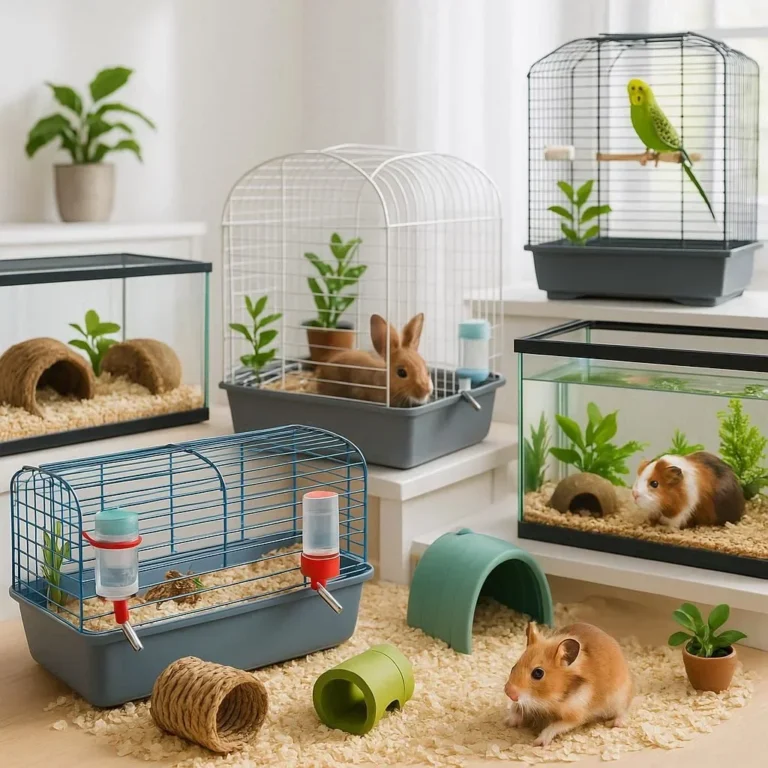
Terrariums have long been a fascination for plant enthusiasts, but did you know they can also be a perfect habitat for small animals? Native-inspired pet terrariums are gaining popularity among animal lovers and hobbyists alike, offering a unique way to create thriving, self-sustaining ecosystems for small pets. In this guide, we’ll explore the world of native-inspired terrariums, their benefits, and how you can create your own miniature habitat for your beloved pets.
What Are Native-Inspired Terrariums?
A native-inspired terrarium is a specially designed enclosure that mimics the natural habitat of a specific species. These terrariums are tailored to replicate the environment in which an animal would naturally live, including plants, substrate, and decorative elements that closely resemble their native ecosystem. Unlike traditional terrariums, which are primarily for plants, native-inspired terrariums are designed with the specific needs of small animals in mind.
Why Choose a Native-Inspired Terrarium for Your Pet?
- Natural Environment: Native-inspired terrariums provide a natural environment that closely mimics the animal’s wild habitat, promoting physical and mental well-being.
- Low Maintenance: These terrariums are self-sustaining ecosystems, requiring less maintenance compared to traditional habitats.
- Aesthetic Appeal: They are visually stunning, combining the beauty of nature with the charm of a miniature world.
- Educational: Creating a native-inspired terrarium can be an educational experience, teaching you about the specific needs and habits of your pet.
- Space-Saving: They are ideal for small spaces, making them a great option for apartment dwellers.
Animals That Thrive in Native-Inspired Terrariums
Not all animals are suited for life in a terrarium, but several species thrive in these mini-ecosystems. Here are some popular small animals that are well-suited for native-inspired terrariums:
1. Amphibians
- Frogs: Many frog species, such as the African Dwarf Frog and the Red-Eyed Tree Frog, are perfectly adapted to life in a terrarium.
- Newts: These semi-aquatic amphibians are also ideal for a well-ventilated, moisture-rich terrarium.
2. Reptiles
- Geckos: Small gecko species like the Leopard Gecko are popular choices for terrariums, as they are relatively low-maintenance.
- Skinks: Some skink species can thrive in a properly maintained terrarium with adequate lighting and substrate.
3. Small Mammals
- Hedgehogs: While they require more space, dwarf hedgehogs can be kept in a large, well-ventilated terrarium.
- Sugar Gliders: These small marsupials are social animals and require a spacious, well-equipped terrarium.
How to Create a Native-Inspired Terrarium
Creating a native-inspired terrarium involves careful planning and attention to detail. Here’s a step-by-step guide to help you get started:
Step 1: Research the Animal’s Native Habitat
Before you begin, research the specific needs of your pet. Learn about their natural habitat, including the type of substrate, plants, and environmental conditions they require. For example, a rainforest-inspired terrarium for a Red-Eyed Tree Frog would include tropical plants, a water source, and high humidity.
Step 2: Choose the Right Materials
- Glass or Acrylic Container: A clear glass or acrylic container is essential for viewing and maintaining proper lighting.
- Substrate: Use a substrate that matches the animal’s natural habitat, such as sand, soil, or moss.
- Plants: Select plants that are native to the animal’s habitat and can thrive in a terrarium environment.
- Decorative Elements: Add rocks, branches, and other decorative elements that mimic the animal’s natural environment.
- Lighting: Provide appropriate lighting, such as LED lights, to create a day-night cycle and maintain proper temperature.
- Water Source: Include a shallow water dish or a small water feature, depending on the animal’s needs.
Step 3: Assemble the Terrarium
- Layer the Substrate: Start by adding a layer of substrate, followed by a layer of activated charcoal to absorb moisture and odors.
- Add Decorative Elements: Place rocks, branches, and other decorative elements to create a natural environment.
- Plant the Plants: Carefully plant the selected plants, ensuring they are well-rooted and spaced properly.
- Install Lighting and Water Source: Set up the lighting and water source, making sure they are secure and won’t disturb the animal.
- Introduce the Animal: Gently place the animal into its new habitat, ensuring it has time to acclimate.
DIY Native-Inspired Terrarium Kits
If you’re new to creating terrariums, consider starting with a DIY kit. These kits usually include all the necessary materials and instructions to create a beautiful, native-inspired terrarium. Some popular DIY terrarium kits include:
- Rainforest Terrarium Kit: Perfect for amphibians like frogs and newts.
- Desert Terrarium Kit: Ideal for reptiles like geckos and skinks.
- Forest Floor Terrarium Kit: Great for small mammals like hedgehogs.
Benefits of Native-Inspired Terrariums Over Traditional Habitats
- Space Efficiency: Terrariums are space-efficient, making them ideal for small living spaces.
- Maintenance: They require less maintenance compared to traditional habitats, as they are self-sustaining ecosystems.
- Cost-Effective: While the initial setup may seem costly, terrariums are a long-term investment that can save you money on maintenance and upkeep.
- Aesthetic Appeal: They are visually stunning, adding a touch of nature to any room.
Tips for Maintaining Your Native-Inspired Terrarium
- Monitor Temperature and Humidity: Ensure the temperature and humidity levels are appropriate for your pet.
- Provide Adequate Lighting: Proper lighting is essential for maintaining a healthy environment.
- Clean Regularly: Regular cleaning is necessary to maintain the health and well-being of your pet.
- Observe and Learn: Continuously observe your pet’s behavior and adjust the environment as needed.
Conclusion
Native-inspired pet terrariums offer a unique and rewarding way to care for your small animals. By replicating their natural habitat, you can create a thriving ecosystem that promotes the health and well-being of your pet. Whether you’re a seasoned pet owner or a newcomer to the world of terrariums, creating a native-inspired terrarium is a fun and educational experience that you and your pet will love.
So, why not give it a try? Start researching, gather your materials, and create a beautiful, native-inspired terrarium for your beloved pet today!
Learn more about terrariums and how they can be a perfect habitat for your small animals.