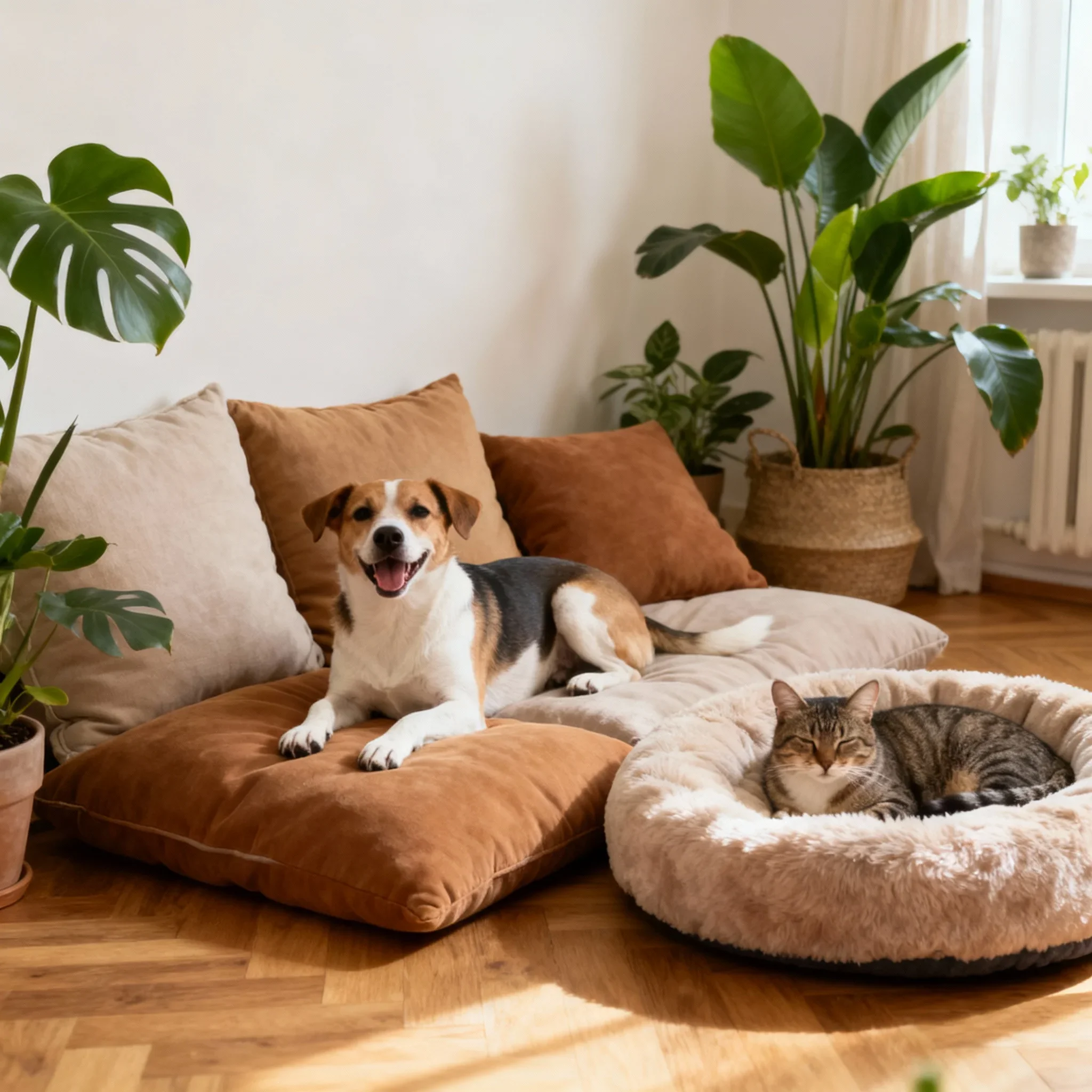
Multi‑Pet Spaces: Designing Peaceful Sharing Corners
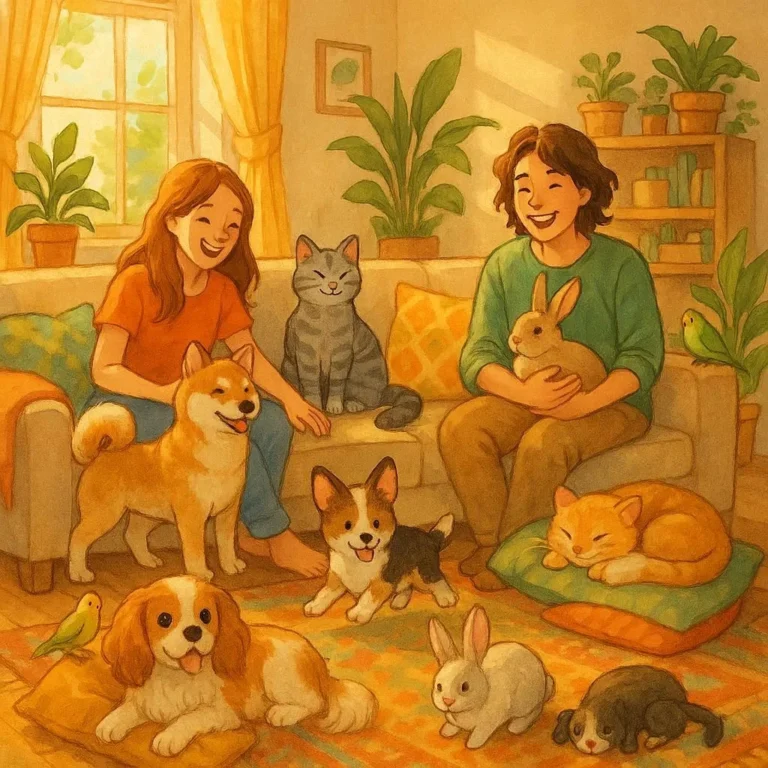
Are you a pet parent to more than one furry friend? If so, you know how wonderful it can be to share your home with multiple pets. However, creating a harmonious environment where all your pets can coexist peacefully can be a challenge. This is where the concept of multi-pet spaces comes into play. In this blog post, we’ll delve into the art of designing peaceful sharing corners for your beloved pets, ensuring that your home remains a sanctuary of joy and serenity for all.
Why Multi‑Pet Spaces Matter
Before we dive into the design tips, let’s talk about why multi-pet spaces are so important. For many of us, our pets are more than just animals—they’re part of the family. However, when multiple pets share the same space, conflicts can arise, and the home can quickly become chaotic. By designing specific areas where your pets can interact, rest, and play without competition or stress, you can foster a more peaceful and harmonious household.
The Benefits of Multi‑Pet Spaces
- Reduced Competition for Resources: When pets have their own designated areas, the competition for food, water, and attention is minimized.
- Improved Mental Health: Pets, like humans, need their own space to relax and recharge. Multi-pet spaces provide a sense of security and comfort.
- Enhanced Socialization: While some pets may prefer solitude, others thrive in social environments. Multi-pet spaces can be designed to encourage positive interactions.
- Aesthetic Appeal: A well-designed multi-pet space can be a beautiful addition to your home, blending seamlessly with your interior decor.
Key Considerations for Designing Multi‑Pet Spaces
Designing multi-pet spaces isn’t just about throwing some pet beds and toys into a corner. It requires careful thought and planning to ensure that the space meets the needs of all your pets. Here are some key considerations to keep in mind.
1. Assess the Needs of Each Pet
Every pet is unique, with its own personality, preferences, and needs. Before designing your multi-pet space, take the time to assess each pet’s individual requirements. Consider factors such as:
- Size and Breed: Larger pets may need more space to move around, while smaller pets may prefer quieter, more enclosed areas.
- Age and Mobility: Senior pets or pets with mobility issues may need easy access to resources and comfortable resting areas.
- Personality: Some pets are more social and enjoy the company of others, while others may be more introverted and prefer solitude.
2. Choose the Right Location
The location of your multi-pet space is crucial. Ideally, it should be in an area where your pets can interact and play without disrupting the rest of the household. Consider the following:
- Noise Levels: If you have pets that tend to bark, meow, or make other noises, it’s best to locate the multi-pet space away from bedrooms or home offices.
- Foot Traffic: Avoid areas with high foot traffic, as this can create stress for your pets.
- Natural Light and Ventilation: Pets, like humans, benefit from natural light and fresh air. A well-ventilated area with plenty of sunlight can make the space more inviting.
3. Incorporate Vertical Space
When designing for multiple pets, it’s important to think vertically. Vertical space can be used to create multi-level areas where pets can play, rest, and observe their surroundings without feeling cramped or territorial. Consider adding:
- Catio Shelves: Perfect for cats, catio shelves provide a perch from which they can watch birds or the outside world.
- Doggy Loft Beds: Elevated beds for dogs can provide a sense of security and comfort, especially for dogs that prefer to be off the floor.
Design Elements for Harmonious Multi‑Pet Spaces
Now that we’ve covered the key considerations, let’s dive into the design elements that will make your multi-pet space a success.
1. Multi-Level Spaces
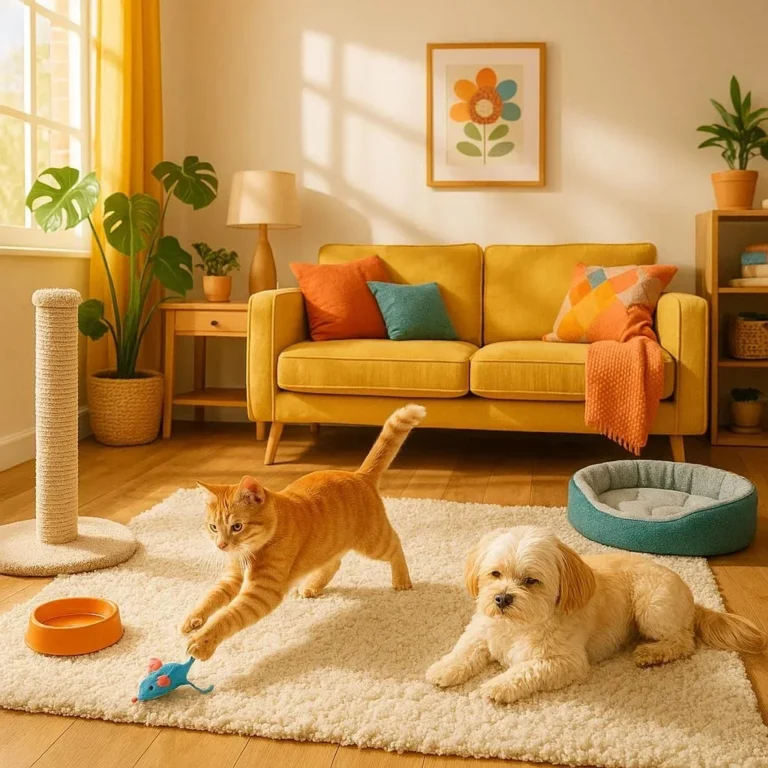
One of the most effective ways to design a multi-pet space is to incorporate multiple levels. This not only maximizes the use of space but also allows pets to have their own areas, reducing competition and stress. For example:
- Cats: Cats are natural climbers and often prefer elevated areas where they can observe their surroundings. Consider adding cat trees, shelves, or climbing walls.
- Dogs: While dogs may not climb as much as cats, they can still benefit from elevated areas, such as loft beds or raised platforms where they can relax.
2. Storage Solutions
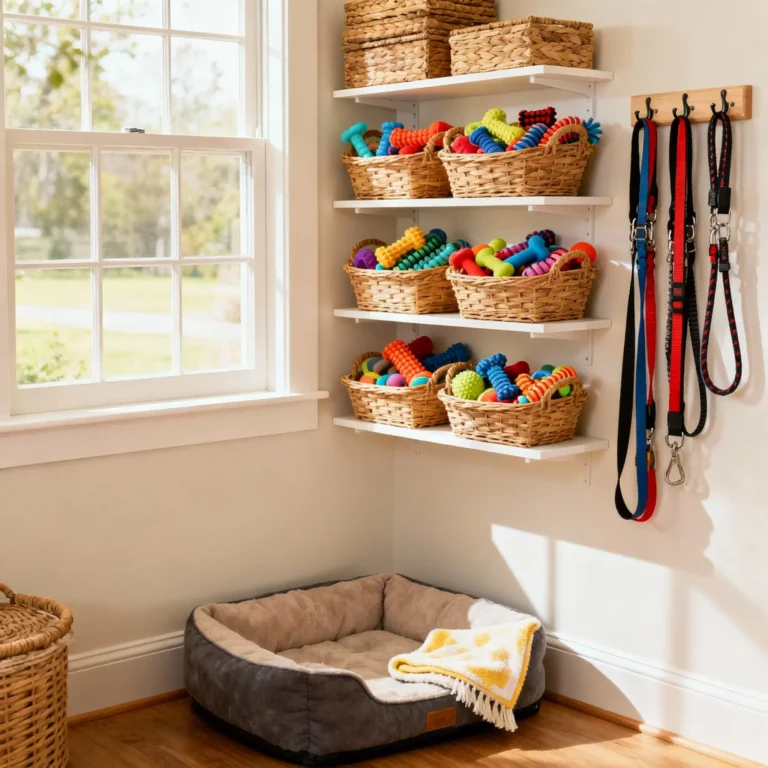
A clutter-free space is essential for maintaining a peaceful environment. When designing your multi-pet space, incorporate storage solutions that keep toys, treats, and other pet supplies out of sight. Consider the following:
- Built-In Shelves: Use built-in shelves or cabinets to store pet supplies, keeping the space neat and organized.
- Storage Ottomans: Storage ottomans can be used to store toys, beds, and other items while also providing a comfortable seating option for humans.
3. Pet-Friendly Materials
The materials you choose for your multi-pet space are just as important as the design itself. Select materials that are durable, easy to clean, and safe for your pets. Some excellent options include:
- Stainless Steel: Stainless steel is a great choice for feeding stations, water bowls, and other accessories, as it’s easy to clean and resistant to germs.
- Hardwood Flooring: Hardwood flooring is durable and easy to clean, making it an excellent choice for high-traffic areas.
- Washable Fabrics: Use washable fabrics for pet beds, cushions, and other soft furnishings to keep the space clean and hygienic.
4. Separate Zones
To ensure that all pets feel comfortable and secure, it’s important to create separate zones within the multi-pet space. Each zone should be tailored to the needs of a specific pet or group of pets. For example:
- Feeding Zone: Create a designated feeding area for each pet to reduce competition and stress during meal times.
- Play Zone: Set aside an area for playtime, where pets can interact and exercise without disturbing other pets that may be resting.
- Rest Zone: Provide a quiet, comfortable area where pets can relax and recharge, away from the hustle and bustle of the household.
5. Calming Elements
Incorporating calming elements into your multi-pet space can help reduce stress and create a more peaceful environment. Consider the following:
- Calming Colors: Use calming colors such as blue, green, and neutral tones to create a soothing atmosphere.
- Soft Lighting: Soft lighting, such as dimmable lamps or natural light, can create a relaxing environment for your pets.
- Pheromone Diffusers: Products like Feliway for cats and Adaptil for dogs mimic natural pheromones that help reduce stress and anxiety.
Tips for Maintaining Harmony in Multi‑Pet Spaces
While designing a multi-pet space is crucial, maintaining harmony within that space requires ongoing effort. Here are some tips to help you keep the peace:
1. Set Boundaries
Establish clear boundaries for each pet within the space. For example, ensure that each pet has its own designated area for eating, sleeping, and playing. This can help reduce competition and territorial behavior.
2. Encourage Positive Interactions
Positive reinforcement is key to fostering good relationships between your pets. Reward calm and gentle behavior with treats, praise, and affection. If conflicts arise, address them promptly and calmly to prevent them from escalating.
3. Provide Adequate Resources
Ensure that there are enough resources for all pets, such as food and water bowls, toys, and comfortable resting areas. Avoid overcrowding, as this can lead to stress and competition.
4. Create Quiet Zones
Not all pets are social, and some may need time to themselves. Create quiet zones where pets can retreat if they need some alone time. Add comfortable bedding, calming aids, and plenty of hiding spots to make these areas inviting.
5. Supervise and Engage
Spend time with your pets in the multi-pet space, engaging in play and providing attention. This not only strengthens the bond between you and your pets but also helps to reinforce positive behavior and reduce stress.
Conclusion
Creating a peaceful and harmonious multi-pet space requires careful planning, attention to detail, and a deep understanding of your pets’ needs. By incorporating multi-level spaces, separate zones, calming elements, and the right materials, you can design a space that meets the needs of all your pets. Remember, maintaining harmony in your multi-pet space is an ongoing process that requires patience, consistency, and love. With the right approach, your home can become a haven of peace and happiness for both you and your pets.