Most Popular Companion Bird Species
When you hear the phrase Most Popular Companion Bird Species, you probably picture a colorful feathered friend perched on your shoulder, chirping merrily, and sharing a bond that rivals any mammalian pet. In recent years, companion birds have surged in popularity across the United States and Europe, driven by increasing research on avian intelligence and a growing appreciation for low‑maintenance, socially engaging pets. Whether you live in a bustling apartment or a spacious suburban home, the right bird can flourish in a variety of environments, provided you understand its unique needs. This guide explores the most sought‑after species, their temperament, care requirements, and how to match a bird’s personality to your lifestyle, ensuring a harmonious and rewarding partnership.
Most Popular Companion Bird Species: Why Choose One
Choosing a companion bird means opting for a pet that thrives on interaction, vocalization, and mental stimulation. Unlike many traditional pets, birds often form deep, lifelong bonds with their owners, mimicking speech, learning tricks, and responding to subtle cues. This social nature makes them excellent candidates for families seeking an engaging, interactive pet. Moreover, many of the most popular companion bird species are relatively small, making them suitable for indoor living and easier to manage than larger parrots. Their longevity—some species live 15 to 30 years—means they become a lasting presence in your home, providing continuity and emotional support over decades.
Top Five Most Popular Companion Bird Species
Below is an overview of the five bird species that consistently rank highest among pet owners and avian enthusiasts. Each entry includes key traits, care considerations, and why it attracts so many new bird lovers.
Budgerigar (Budgie)
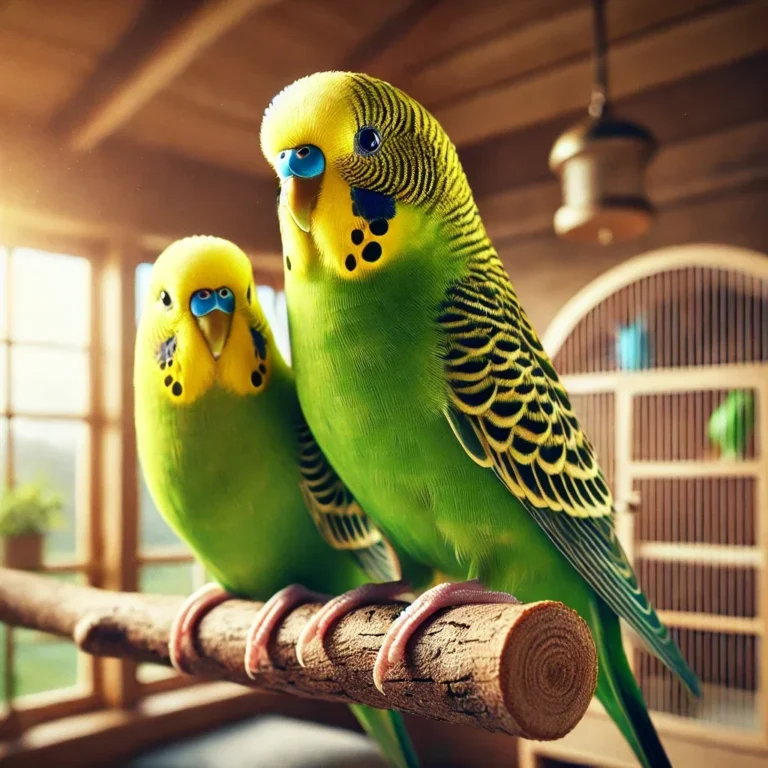
The Budgerigar, affectionately called the budgie, tops the list for its playful personality, manageable size (about 7 inches), and remarkable ability to mimic human speech. Budgies are highly social and thrive when given daily interaction, toys, and a varied diet of seeds, fruits, and vegetables. Their lifespan averages 7–10 years, making them a long‑term commitment without the extensive space requirements of larger parrots.
Cockatiel
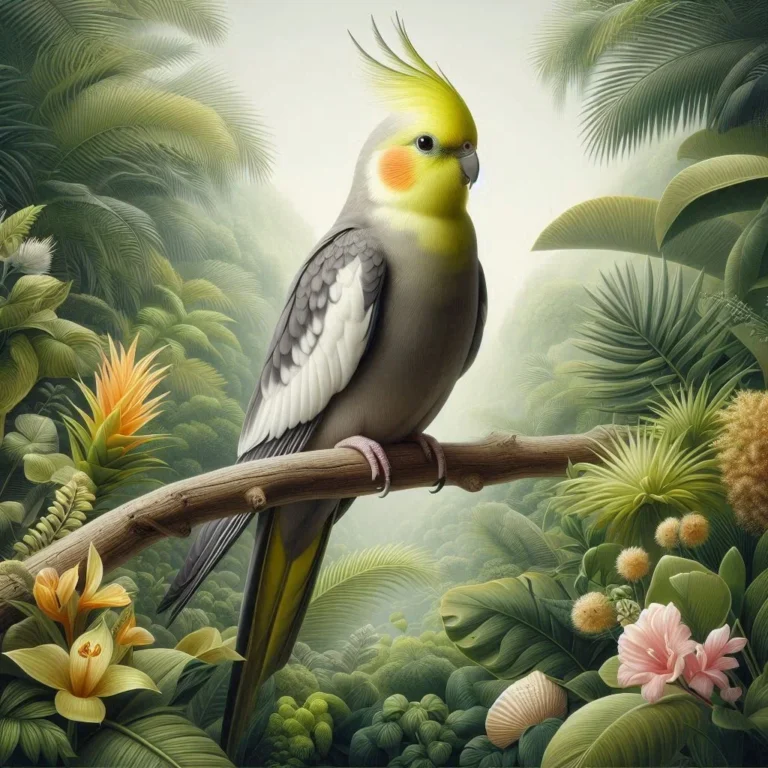
The Cockatiel is celebrated for its friendly demeanor, expressive crest, and gentle whistle. At 12–14 inches tall, cockatiels are slightly larger than budgies but still compact enough for indoor living. They excel at learning simple tricks and can develop a modest repertoire of words. Regular wing clipping, fresh greens, and a balanced pellet‑seed mix support their health for 15–20 years.
African Grey Parrot
Renowned for intelligence and crystal‑clear speech, the African Grey Parrot is a favorite among seasoned bird owners. These birds are larger (12–14 inches) and can live 40–60 years, requiring significant time, mental enrichment, and space. They thrive with puzzle toys, daily training sessions, and a diet rich in fresh vegetables, fruits, and high‑quality pellets.
Lovebird
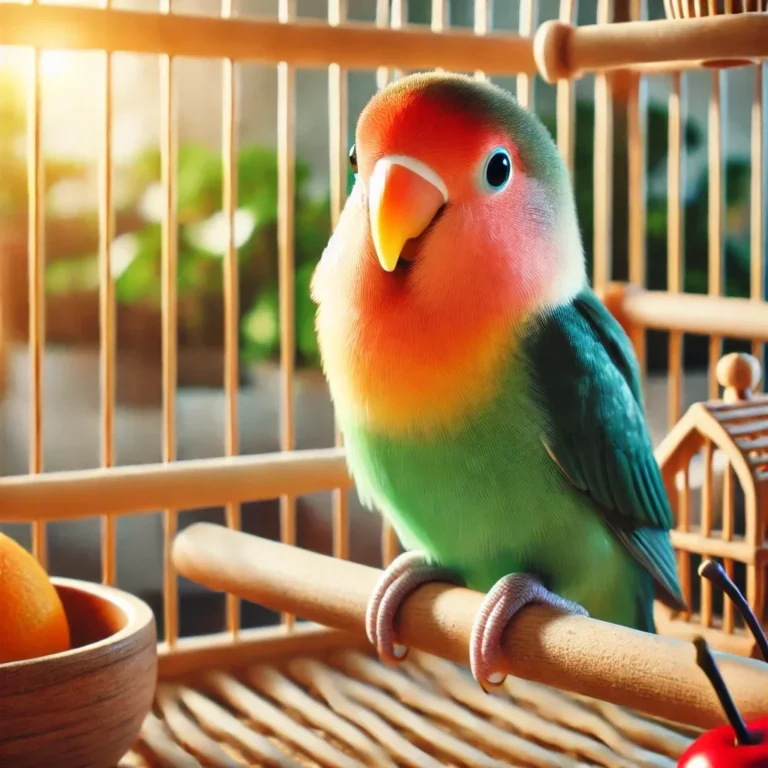
The Lovebird lives up to its name with a strong affinity for companionship—both with humans and, if housed in pairs, with other lovebirds. Measuring 5–6 inches, they are vivid, energetic, and demand plenty of social interaction. A balanced diet of seeds, fresh produce, and occasional protein, coupled with daily out‑of‑cage time, helps prevent behavioral issues.
Canary
The Canary stands out for its melodious song rather than speech. While they are less prone to direct handling, canaries flourish in spacious cages where they can sing uninterrupted. Their care focuses on a high‑quality seed blend, fresh water, and regular cage cleaning. With a lifespan of 10–15 years, they are a perfect choice for owners who enjoy listening to birdsong.
Understanding Bird Temperament and Social Needs
Even within the most popular species, temperament varies widely based on genetics, early socialization, and daily routine. For example, budgies raised with consistent human interaction often become bold and inquisitive, while those lacking exposure may stay shy. Cockatiels generally exhibit a calm, affectionate nature but can become territorial if they feel their space is threatened. African Greys demand intense mental challenges; without them, they may develop feather‑plucking or vocal aggression. Recognizing these nuances helps you select a bird whose personality aligns with your lifestyle, whether you prefer a talkative chatterbox or a quiet, observant companion.
Essential Care Tips for Pet Birds
Providing optimal care for any of the Most Popular Companion Bird Species involves a blend of nutrition, environment, and enrichment. Below is a quick checklist you can reference weekly:
- Offer a varied diet: high‑quality pellets, fresh fruits, vegetables, and occasional nuts.
- Maintain cage cleanliness: replace substrate, clean perches, and disinfect water dishes daily.
- Ensure adequate space: minimum cage dimensions of 18×18×24 inches for small birds; larger for African Greys.
- Provide daily out‑of‑cage time for flight and social interaction.
- Rotate toys regularly to stimulate problem‑solving and prevent boredom.
- Schedule regular veterinary check‑ups with an avian specialist.
Choosing the Right Species for Your Home
When deciding among the Most Popular Companion Bird Species, consider three primary factors: space, time commitment, and noise tolerance. Budgies and lovebirds are ideal for apartments due to their small footprint and moderate vocalizations. Cockatiels suit families that can dedicate 30 minutes of interaction daily and tolerate occasional whistling. African Greys require a larger living area, extensive mental enrichment, and a lifelong commitment—best for experienced bird owners. Canaries excel for owners who value beautiful song over handling, making them perfect for quiet rooms or home offices.
Conclusion: Bring a Feathered Friend Home Today
Choosing one of the Most Popular Companion Bird Species can enrich your life with color, song, and intelligent companionship. By matching a bird’s temperament to your daily routine, providing balanced nutrition, and committing to regular enrichment, you set the stage for a thriving avian partnership that lasts decades. Ready to experience the joy of a talking parakeet, a cuddly cockatiel, or a melodious canary? Explore reputable breeders or rescue organizations today and give a deserving bird a forever home.
Frequently Asked Questions
Q1. What factors should I consider when selecting a Most Popular Companion Bird Species?
First, evaluate the space you have available and the noise level you can tolerate. Next, consider the bird’s lifespan and the time you can commit to daily interaction and training. Finally, match the species’ temperament to your household dynamics and experience level.
Q2. How long do the top companion bird species typically live?
Budgerigars usually live 7–10 years, while cockatiels can reach 15–20 years with proper care. African Grey Parrots are long‑term companions, often living 40–60 years. Lovebirds and canaries typically enjoy 10–15 years of life.
Q3. Are budgerigars suitable for first-time bird owners?
Yes, budgerigars are excellent beginners because they are small, relatively low‑maintenance, and highly sociable. They enjoy simple toys and a varied diet of seeds, fruits, and vegetables. With consistent handling, they quickly become tame and may even learn to talk.
Q4. What are the basic dietary requirements for cockatiels and lovebirds?
Both species thrive on a balanced mix of high‑quality pellets, fresh vegetables, and occasional fruits. Adding a handful of seeds daily provides enrichment, but pellets should form the staple of the diet. Fresh water should be changed daily, and occasional protein sources like boiled egg or mealworms are beneficial.
Q5. How can I prevent my bird from developing feather‑plucking behavior?
Provide ample mental stimulation through puzzle toys, foraging activities, and regular out‑of‑cage time. Ensure the bird’s diet is nutritionally complete and that it receives regular veterinary check‑ups. Social interaction with you or a compatible cage mate also reduces stress‑induced plucking.