Most Playful Cat Breeds Guide
When you’re hunting for a feline companion that turns every room into a playground, the search often leads to the most playful cat breeds available today. Playful cats bring energy, curiosity, and endless entertainment to households, making them ideal for families, single owners, and anyone who enjoys interactive companionship. In this article we explore why playfulness matters, spotlight the top energetic breeds, and share proven tips to keep your cat happily engaged.
Playful Breed Spotlight: Bengal
The Bengal cat tops many lists of the most playful cat breeds because of its wild ancestry and high‑energy temperament. Descended from the Asian leopard cat, Bengals retain a fierce love of climbing, chasing, and jumping. They love interactive toys such as feather wands and laser pointers, and they often enjoy learning tricks like high‑five or fetch.
For a scientific overview of the breed’s genetics, see the Bengal cat Wikipedia entry. Their muscular build and quick reflexes make them natural athletes, so providing tall cat trees and sturdy scratching posts is essential to prevent boredom‑related misbehavior.
Playful Breed Spotlight: Abyssinian
The Abyssinian is another champion of the most playful cat breeds category. Known for its sleek, ticked coat and inquisitive eyes, this breed thrives on mental stimulation. Abyssinians love puzzle feeders, interactive games, and even simple household objects like cardboard boxes.
Learn more about the Abyssinian’s origins and temperament at the Abyssinian cat Wikipedia page. Because they are highly social, they often enjoy playing alongside humans or other pets, making them perfect for multi‑animal homes.
Playful Breed Spotlight: Savannah
The Savannah cat, a cross between a domestic cat and the African serval, is famous for its tall, lean frame and extraordinary leaping ability. As one of the most playful cat breeds, the Savannah loves to chase moving objects, climb tall furniture, and even learn to walk on a leash.
Details on the Savannah’s hybrid heritage are documented in the Savannah cat Wikipedia article. Their high intelligence means they benefit from training sessions that incorporate clicker training or target practice.
Playful Breed Spotlight: Maine Coon
While the Maine Coon is often celebrated for its size and gentle demeanor, it also ranks among the most playful cat breeds. These giants love to fetch soft toys, engage in tug‑of‑war, and chase feather sticks. Their friendly nature makes them especially tolerant of rough‑housing with children.
Read the comprehensive breed profile on the Maine Coon Wikipedia page. Because they are sturdy, they can handle larger interactive toys that might be too intense for smaller cats.
Enriching Play for Any Breed
Even if your cat isn’t one of the highlighted breeds, you can foster a playful spirit by integrating a few proven strategies. Below is a concise checklist of activities that stimulate both body and mind:
- Rotate toys: Change the type of toy every few days to keep novelty high.
- Use puzzle feeders: Brands like Cat Fanciers Association recommend puzzle feeders to slow down eating while providing mental challenge.
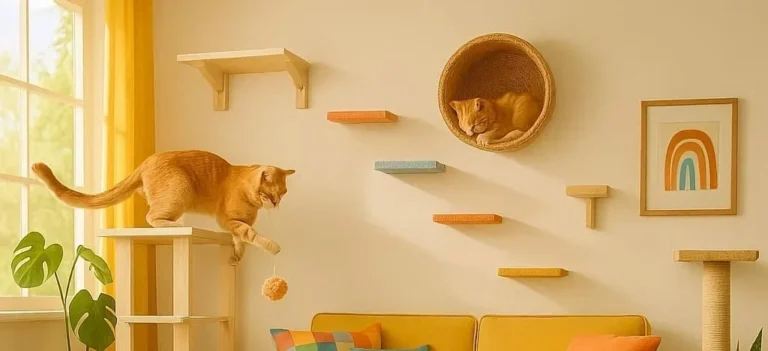
- Create vertical space: Install cat trees, wall shelves, or window perches for climbing and observation.
- Schedule interactive sessions: Dedicate 15‑20 minutes twice daily for direct play with wand toys or laser pointers.
- Introduce scent enrichment: Safe herbs like catnip or silvervine encourage exploration and play.
For veterinary insight on the health benefits of regular play, consult the Cornell Feline Health Center. They note that active play can reduce obesity, improve joint health, and lower stress hormones.
Understanding Playful Feline Personalities
Playfulness is more than a quirky trait; it reflects a cat’s overall well‑being. According to research from the National Center for Biotechnology Information, cats that engage in regular, varied play exhibit stronger social bonds and exhibit fewer behavioral problems. Recognizing the signs of a happy, playful cat—such as tail flicks, pounced postures, and vocal chirps—helps owners respond appropriately.
Active cat breeds often possess a higher metabolism and require more stimulation. If you’re considering a new pet, ask breeders about the cat’s activity level and ask to see the cat in action before adoption.
Choosing the Right Playful Companion
When selecting a cat, match the breed’s energy with your lifestyle. If you work long hours, a high‑energy breed like the Bengal may need extra environmental enrichment (e.g., automated toys). Conversely, a slightly calmer yet still playful breed such as the Russian Blue can thrive with moderate daily interaction.
Visit reputable shelters or registered breeders, and ask for health records and temperament assessments. Organizations like ASPCA provide guidelines for responsible cat adoption and care.
Conclusion
Whether you’re drawn to the jungle‑like antics of the Bengal, the curious sprightliness of the Abyssinian, the leaping prowess of the Savannah, or the gentle games of the Maine Coon, the most playful cat breeds promise endless joy and companionship. By offering proper enrichment, interactive toys, and dedicated playtime, you’ll nurture a healthy, happy feline that brightens every day.
Ready to bring a playful partner into your home? Explore reputable breeders, adopt from shelters, and start a routine of fun now—your future furry friend is waiting!
Frequently Asked Questions
Q1. Which cat breeds are known for being the most playful?
The Bengal, Abyssinian, Savannah, and Maine Coon consistently rank among the most playful cat breeds. They have high energy, love interactive toys, and enjoy climbing or jumping. Their playful nature also makes them great companions for families.
Q2. How much daily playtime does a high‑energy cat need?
Experts recommend at least 30‑40 minutes of active play split into two sessions each day. This can include wand toys, laser pointers, or puzzle feeders. Consistent stimulation helps prevent boredom‑related behavior.
Q3. Can I keep a playful cat happy in a small apartment?
Yes, with proper enrichment. Vertical space, rotating toys, and regular interactive sessions compensate for limited floor area. Puzzle feeders and window perches also provide mental stimulation.
Q4. Are there health risks associated with very active breeds?
Active breeds generally have robust musculoskeletal systems, but they still need joint support and a balanced diet. Regular veterinary check‑ups can catch early signs of strain or obesity. Providing safe toys reduces risk of injury.
Q5. What toys are best for encouraging play in these breeds?
Feather wands, laser pointers, and motorized chase toys work well for Bengal and Savannah cats. Puzzle feeders and interactive treat dispensers engage Abyssinians. Large, durable plush toys are ideal for Maine Coons.