Most Intelligent Dog Breeds Ranked
When it comes to choosing a canine companion, many owners prioritize not only temperament but also mental agility. Understanding the nuances of most intelligent dog breeds ranked helps you match a dog’s problem‑solving ability with your lifestyle, training goals, and family dynamics. In this guide we break down the top ten breeds celebrated for their high dog intelligence, explore the scientific basis behind breed‑specific cognition, and provide practical tips for nurturing that brilliance. Whether you’re a first‑time owner or a seasoned trainer, the rankings below will give you a reliable roadmap for selecting a pup that learns quickly, adapts well, and excels in tasks ranging from obedience to advanced work.
How Canine Intelligence Is Measured
Researchers assess canine cognition through a mix of standardized tests, owner surveys, and real‑world performance metrics. The most widely cited source is Stanley Coren’s “The Intelligence of Dogs”, which combines professional obedience scores with anecdotal evidence of independent problem solving. Academic studies, such as those conducted at the University of Pennsylvania’s Comparative Cognition Lab, use controlled experiments to gauge memory, inference, and social learning. Together, these methods form a robust framework for ranking breeds based on trainability, working intelligence, and adaptive intelligence.
Top Ten Most Intelligent Dog Breeds
Below is the definitive list of the most intelligent dog breeds, ordered from highest to slightly lower, yet still exceptional, cognitive performance. Each breed’s hallmark traits are highlighted to help you envision how they might fit into your home or working environment.
- Border Collie – Unrivaled in problem‑solving and obedience, often topping Coren’s list.
- Poodle – Highly trainable, excels in agility and service work.
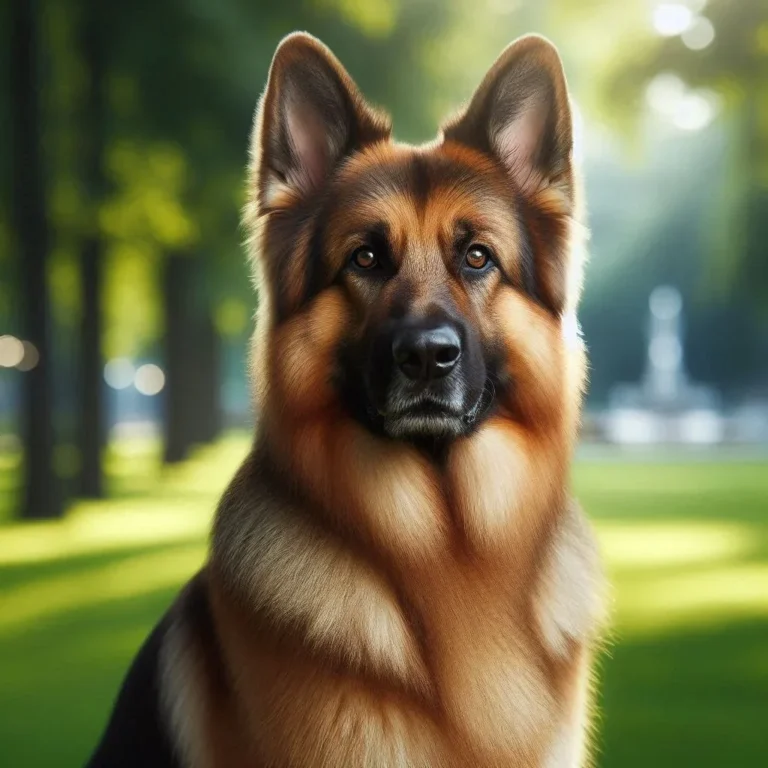
- German Shepherd – Versatile working dog, strong in both obedience and protective instincts.
- Golden Retriever – Friendly, eager to please, excellent in therapeutic settings.
- Doberman Pinscher – Sharp, alert, and highly responsive to commands.
- Shetland Sheepdog – Small‑scale herder with keen intuition and strong loyalty.
- Labrador Retriever – Adaptable and intelligent, a favorite for detection and assistance roles.
- Papillon – Tiny but surprisingly astute, excels in obedience competitions.
- Rottweiler – Strong‑willed, learns quickly when training is consistent and positive.
- Australian Cattle Dog – Energetic, excels at independent decision‑making in herding tasks.
Why These Breeds Stand Out
Each breed on the list shares common factors that boost its cognitive profile. High energy levels, a strong desire to work with humans, and a genetic predisposition for problem solving contribute to superior trainability. For example, the Border Collie possesses an acute visual acuity that helps it interpret subtle hand signals during herding. Likewise, Poodles were originally bred for water retrieving, which required rapid learning of complex commands and adaptability to changing conditions.
Adaptability to Different Training Styles
Intelligent breeds can thrive under a variety of training methodologies, from clicker training to classical operant conditioning. The key is consistency, positive reinforcement, and mental enrichment. A well‑stimulated mind prevents boredom‑related behaviors such as excessive chewing or digging, which are common in high‑intelligence dogs left idle.
Working vs. Companion Roles
While many of the top breeds excel in professional settings—search and rescue, guide work, or police duties—they also make excellent family companions when their mental needs are met. A Labrador Retriever, for instance, balances gentle temperament with a strong work ethic, making it suitable for both obedience trials and therapy programs.
Tips for Nurturing Your Dog’s Intelligence
Regardless of breed, you can boost your dog’s cognitive abilities with a structured enrichment plan. Here are actionable steps you can implement today:
- Interactive Toys: Puzzle feeders and scent games challenge problem‑solving skills.
- Obedience Training: Short, frequent sessions reinforce learning without overwhelming the dog.
- Varied Socialization: Exposure to new people, animals, and environments sharpens adaptive intelligence.
- Advanced Skills: Teach tricks that require multiple steps, such as “fetch the newspaper” or “turn off the lights.”
- Physical Exercise: Mental and physical stamina are linked; regular walks keep the brain engaged.
Incorporating these practices not only maximizes the potential of the most intelligent dog breeds but also strengthens the human‑dog bond.
Common Misconceptions About Smart Dogs
Many owners assume that high intelligence automatically equals ease of training. In reality, smart dogs can be willful if they perceive tasks as uninteresting or repetitive. For instance, a Border Collie left without sufficient mental stimulation may develop “herding” behaviors toward household items. Understanding that intelligence requires ongoing challenges is essential for a harmonious household.
Conclusion: Choose Wisely, Train Effectively
Identifying the most intelligent dog breeds ranked gives you a solid foundation for selecting a companion that fits your lifestyle and training aspirations. Whether you gravitate toward the analytical mind of a Border Collie or the eager adaptability of a Golden Retriever, remember that intelligence thrives on engagement, consistency, and love. Ready to bring home a brainy buddy? Explore reputable breeders, rescue organizations, or adoption events near you, and start planning a training schedule that celebrates your new partner’s mental gifts.
Frequently Asked Questions
Q1. What criteria are used to rank the most intelligent dog breeds?
Researchers combine obedience test scores, problem‑solving experiments, and owner surveys. Stanley Coren’s methodology weighs working and adaptive intelligence. Academic labs also measure memory and inference in controlled settings. The blend of these data points creates a reliable ranking.
Q2. Are high‑intelligence dogs harder to train?
Smart dogs learn quickly but they also need varied challenges. If training becomes repetitive, they may lose interest. Positive reinforcement and mental enrichment keep them engaged.
Q3. Which breed is best for first‑time owners seeking a smart companion?
Golden Retrievers and Labrador Retrievers balance intelligence with a gentle, eager‑to‑please temperament. They adapt well to families and respond to consistent, reward‑based training.
Q4. How can I keep my intelligent dog mentally stimulated?
Use puzzle feeders, scent games, and interactive toys. Teach multi‑step tricks and vary training routines. Regular social outings and problem‑solving tasks prevent boredom.
Q5. Do all intelligent breeds need a lot of exercise?
Most high‑energy intelligent breeds benefit from daily physical activity, but mental exercise is equally crucial. Tailor the amount of movement to the individual dog’s age and health while providing ample brain challenges.