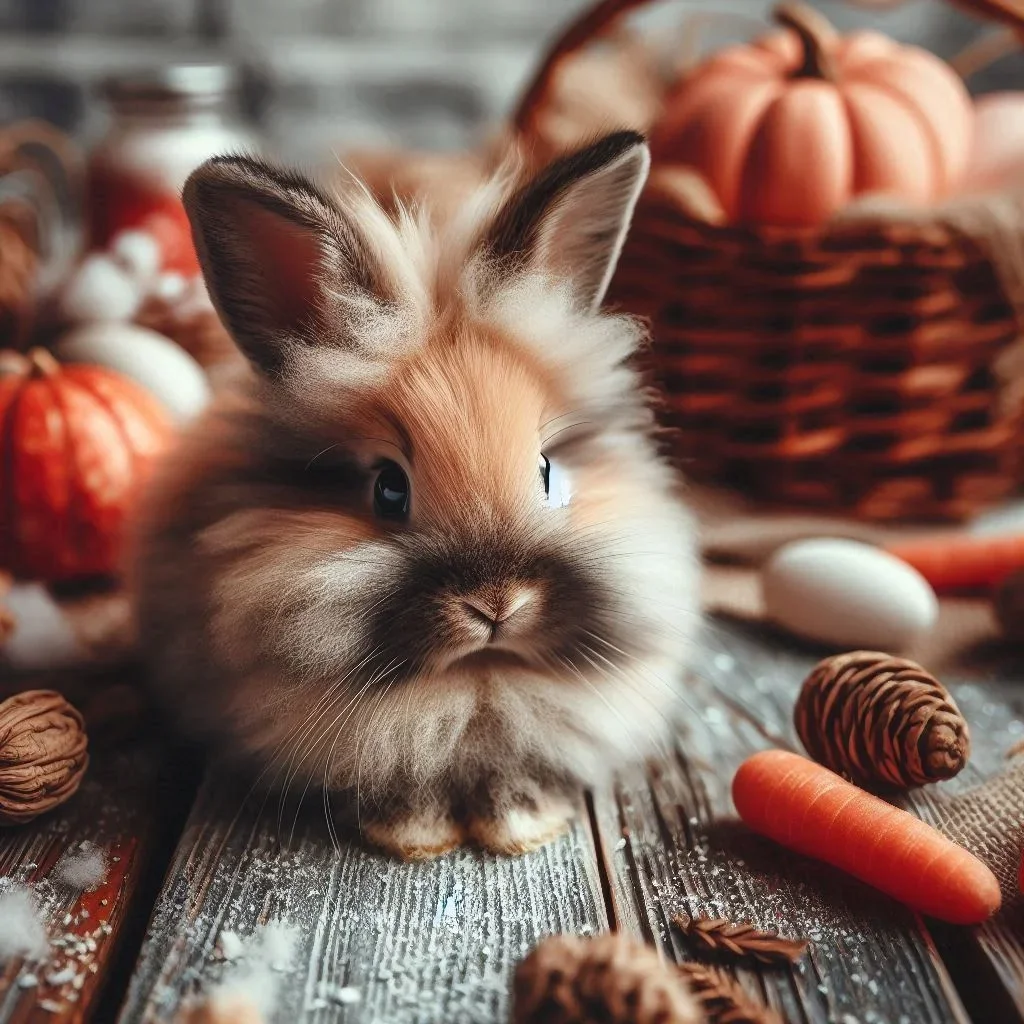
Mini Pets Guide for Beginners
Mini pets are a wonderful way to experience the joy of animal companionship without the time, space, or financial demands of larger animals. Whether you’re a student, a busy professional, or simply looking for a low‑maintenance friend, the world of small pets offers a variety of options that are both adorable and manageable. In this beginner‑friendly mini pets guide, we’ll walk you through choosing the right companion, daily care essentials, training tips, and health considerations to ensure a happy, healthy relationship with your new tiny friend.
Choosing the Right Mini Pet
When selecting a mini pet, consider your living situation, lifestyle, and the amount of time you can dedicate to care. Small pets come in many forms—rodents, birds, fish, and reptiles—each with unique needs. Start by asking yourself these key questions:
- Do I have enough space for a cage, tank, or enclosure?
- How much time can I spend daily on feeding, cleaning, and interaction?
- Am I willing to invest in specialized equipment or ongoing veterinary care?
- Do I have any allergies that might affect my choice?
Once you’ve answered these, narrow down your options. For example, a guinea pig thrives in a spacious cage and enjoys social interaction, while a betta fish requires a small tank but minimal handling. Each species has its own temperament and care level, so research thoroughly before making a decision.
Daily Care Essentials
Regardless of the species, daily care follows a few common principles: nutrition, hydration, cleanliness, and enrichment. Below is a quick checklist to keep your mini pet thriving:
- Nutrition: Provide a balanced diet specific to the species. For rodents, a mix of pellets, fresh vegetables, and occasional fruit works well. Fish need high‑quality flakes or pellets, while reptiles require a diet of insects or specialized feeds.
- Hydration: Fresh water should be available at all times. Change it daily for fish and rodents, and use a water bottle for reptiles to prevent contamination.
- Cleanliness: Spot‑clean cages or tanks daily and perform a full cleaning weekly. This prevents odors and reduces the risk of disease.
- Enrichment: Provide toys, tunnels, or perches to stimulate natural behaviors. Rotate items regularly to keep your pet engaged.
For detailed feeding guidelines, consult reputable resources such as the American Veterinary Medical Association or PetMD, which offer species‑specific nutrition charts and health tips.
Training Tips for Small Pets
Training small pets can be surprisingly rewarding. While they may not perform complex tricks like dogs, they can learn basic commands and behaviors that enhance their well‑being and strengthen your bond. Here are some proven techniques:
- Positive Reinforcement: Use treats, praise, or gentle petting to reward desired actions. This encourages repeat behavior without fear.
- Consistency: Keep training sessions short (5–10 minutes) and frequent. Repetition helps your pet associate cues with actions.
- Patience: Small pets learn at their own pace. Avoid frustration; instead, redirect and try again.
- Socialization: Expose your pet to different sounds, people, and environments gradually to reduce anxiety and build confidence.
For species‑specific training advice, the CDC Animal Health website offers guidelines on handling and interacting safely with small animals.
Health and Safety Considerations
Preventing illness is key to a long, happy life for your mini pet. Regular health checks, proper hygiene, and a safe environment reduce risks. Keep these points in mind:
- Veterinary Care: Schedule an initial check‑up within the first month and annual visits thereafter. Many small animal specialists are available through local veterinary clinics.
- Parasite Prevention: Use vet‑recommended flea, tick, and worm treatments. Reptiles may need specific parasite control based on their diet.
- Environmental Safety: Ensure cages or tanks are escape‑proof and free of toxic plants or chemicals. For reptiles, maintain appropriate temperature and humidity levels.
- Allergy Management: If you have allergies, consider hypoallergenic species or use air purifiers to reduce dander.
Educational resources such as the American Pet Products Association provide up‑to‑date safety guidelines and product recommendations for small pet owners.
Top 5 Beginner‑Friendly Mini Pets
Below is a curated list of mini pets that are especially suitable for first‑time owners. Each species is known for its manageable care requirements and friendly nature.
- Guinea Pig – Social, gentle, and easy to feed. Requires a spacious cage and regular grooming.
- Hamster – Independent, nocturnal, and low‑maintenance. Ideal for small spaces.
- Betta Fish – Vibrant colors, minimal tank size, and simple feeding routine.
- Leopard Gecko – Quiet, easy to handle, and thrives in a controlled environment.
- Budgerigar (Budgie) – Friendly, vocal, and can learn simple words with consistent training.
Each of these species has a wealth of information available on reputable sites like Wikipedia and specialized forums, ensuring you can find detailed care guides and community support.
Conclusion and Call to Action
Adopting a mini pet can transform your daily routine, offering companionship, responsibility, and a sense of purpose. By carefully selecting a species that matches your lifestyle, providing consistent care, and staying informed through trusted resources, you’ll create a healthy, joyful environment for both you and your new friend. Ready to take the next step? Explore local shelters, research your chosen species, and start your mini pet journey today!
Frequently Asked Questions
Q1. What are the best mini pets for apartment living?
Apartment dwellers often choose small, low‑maintenance pets such as hamsters, betta fish, or guinea pigs. These animals require minimal space and can thrive in a well‑maintained cage or tank. They also produce less noise and odor compared to larger pets, making them ideal for shared living spaces.
Q2. How often should I clean a small pet’s enclosure?
Daily spot‑cleaning is essential to remove waste and maintain hygiene. A full cleaning of the cage or tank should be performed at least once a week, depending on the species and number of pets. Regular cleaning helps prevent disease and keeps the environment fresh.
Q3. Can small pets be trained to perform tricks?
Yes, many small pets respond well to positive reinforcement. Short, frequent training sessions of 5–10 minutes work best. Consistency, patience, and gentle rewards such as treats or praise help reinforce desired behaviors.
Q4. What are common health issues in small pets?
Common problems include respiratory infections, dental issues, and parasites. Regular veterinary check‑ups, proper nutrition, and a clean environment reduce the risk of illness. Watch for signs such as lethargy, loss of appetite, or abnormal droppings.
Q5. How do I choose the right food for my mini pet?
Each species has specific dietary needs. Rodents benefit from a mix of pellets, fresh veggies, and occasional fruit. Fish require high‑quality flakes or pellets, while reptiles need insects or specialized feeds. Always consult reputable resources or a vet for species‑specific guidance.