Mini Pets for Cozy Homes
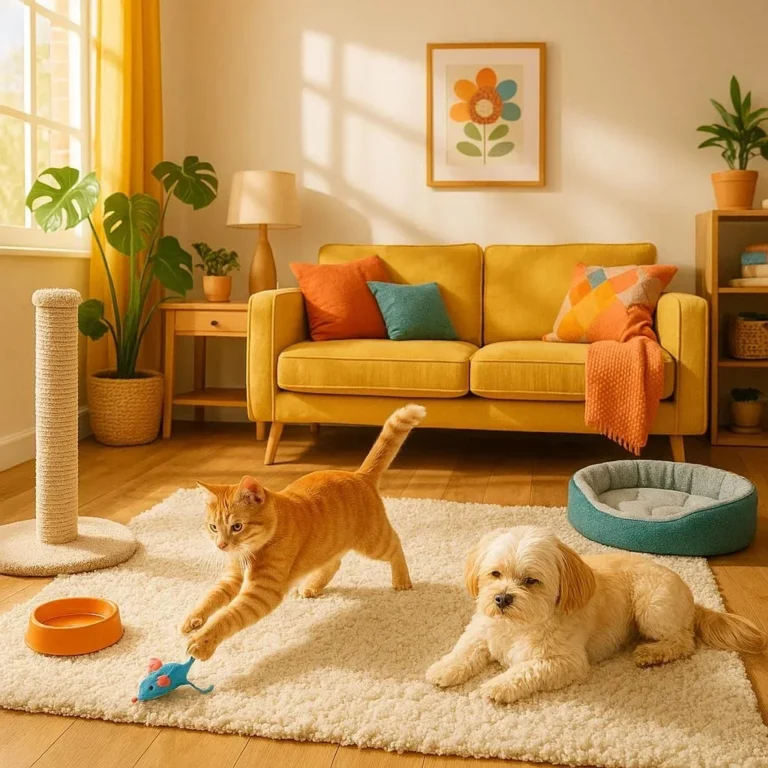
Mini pets are perfect for cozy homes because they require minimal space, provide gentle companionship, and adapt well to indoor living. Whether you dwell in a studio apartment or a snug cottage, these small‑scale animals can thrive without demanding a large yard or extensive equipment. In this guide we’ll explore the most suitable mini pets for limited‑space environments, outline essential care considerations, and share practical tips to keep both pet and owner happy. By focusing on species that are low‑maintenance, quiet, and sociable, you can enjoy the benefits of pet ownership while preserving the intimate atmosphere of your home.
Choosing the Right Mini Pet
Before bringing a new friend home, evaluate the animal’s temperament, lifespan, and specific housing needs. The following species consistently rank high among small‑apartment dwellers:
- Hamsters – Compact cages, nocturnal but quiet, and generally easy to handle.
- Guinea Pigs – Social herd animals that thrive with a companion and enjoy gentle interaction.
- Betta Fish – A single‑tank option that adds color and movement without the need for filtration complexity.
- Leopard Geckos – Low‑maintenance reptiles that require a simple terrarium and feeding schedule.
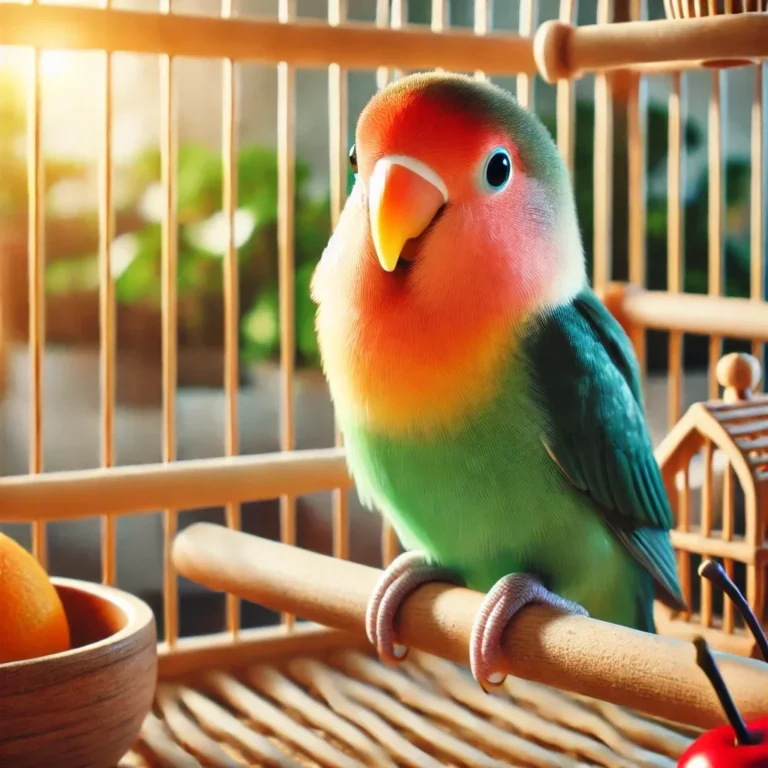
- Budgerigars (Parakeets) – Small birds that bond closely with owners and can be kept in modest aviaries.
Each of these pets fits comfortably in a cozy setting, but it’s crucial to match their care requirements with your lifestyle. For example, hamsters are solitary and prefer quiet corners, while guinea pigs need companionship and a larger cage to roam.
Space‑Saving Habitats and Furnishings
Optimizing limited square footage begins with selecting the right enclosure. Look for cages or tanks that maximize vertical space, as many mini pets enjoy climbing or swimming upward. A well‑ventilated cage with multiple tiers can double usable area without expanding the footprint. For reptiles, a glass terrarium with a secure screen top provides both visibility and safety while occupying only the space of a standard bookshelf. When setting up, place the enclosure away from direct sunlight and drafts to maintain a stable temperature – a key factor for both fish and reptile health.
Health and Wellness Essentials
Regular veterinary check‑ups, even for tiny companions, prevent many issues before they become serious. According to the U.S. Department of Agriculture, small mammals are prone to dental overgrowth, respiratory infections, and parasites. Providing a balanced diet tailored to the species is equally important. For instance, guinea pigs require vitamin C‑rich vegetables, while bettas thrive on high‑protein pellets supplemented with occasional bloodworms.
Monitoring your pet’s behavior offers early clues. A hamster that suddenly becomes lethargic or a fish that stops swimming may be signaling stress or illness. Keep a simple health log noting feeding times, weight changes, and any unusual activity; this record will be invaluable when consulting a veterinarian.
Socialization and Enrichment
Even the tiniest pets need mental stimulation to prevent boredom‑induced stress. Interactive toys, tunnels, and chew sticks provide outlets for natural behaviors. Budgerigars enjoy foraging puzzles that mimic seed searching in the wild, while geckos benefit from basking rocks that encourage thermoregulatory movement.
Establish a routine that includes daily handling or observation sessions. Gentle, brief interactions build trust and strengthen the bond between you and your mini pet. Remember, consistent socialization not only enriches the animal’s life but also enhances the owner’s enjoyment of the companionship.
Low‑Maintenance Pet Care Tips
- Clean enclosures weekly to prevent ammonia buildup (fish tanks) or odor accumulation (small mammal cages).
- Provide fresh water daily; use a filtered system for fish to maintain water clarity.
- Rotate toys and rearrange habitats every few weeks to keep the environment novel.
- Schedule quarterly veterinary visits for routine health assessments.
- Research species‑specific nutritional needs from reputable sources such as university veterinary programs (UC Davis School of Veterinary Medicine).
By integrating these simple practices, you ensure that your mini pet remains healthy, happy, and an integral part of your cozy home.
Choosing a Trustworthy Supplier
Purchasing from reputable breeders or licensed pet stores reduces the risk of acquiring sick or improperly raised animals. Look for certifications, read reviews, and ask about the animal’s health history. Many reputable organizations adhere to the standards set by the American Society for the Prevention of Cruelty to Animals, ensuring ethical treatment and proper care prior to sale.
When possible, opt for adoption through local rescue groups or humane societies. Many mini pets, especially hamsters and guinea pigs, find new homes through these channels, giving them a second chance at a loving environment.
Conclusion
Mini pets offer a delightful blend of companionship and convenience for anyone living in a cozy home. By selecting the right species, providing a space‑efficient habitat, and committing to consistent health and enrichment practices, you can enjoy the joys of pet ownership without compromising your living space. Ready to invite a tiny friend into your home? Explore reputable breeders, adopt from local rescues, and start building a nurturing environment today. Experience the comfort and charm of mini pets – your perfect indoor companion awaits.
Frequently Asked Questions
Q1. What mini pets are best for a small apartment?
Hamsters, betta fish, and budgerigars are top choices because they need little floor space and quiet environments. These animals thrive in compact cages or tanks and don’t require a large outdoor area. Their low noise level makes them ideal for shared walls.
Q2. How much space does a hamster cage need?
A hamster needs at least 450 square inches of floor space, which translates to a cage about 24×12 inches. Multi‑level cages can increase usable area without expanding the footprint. Always provide bedding, a wheel, and hideouts for enrichment.
Q3. Are betta fish low‑maintenance for beginners?
Yes, betta fish are relatively easy to care for. They thrive in a 2‑5 gallon tank with regular water changes and a heater to keep the temperature around 78°F. Feed them high‑quality pellets once or twice daily, supplementing with occasional treats.
Q4. How often should I clean a guinea pig’s cage?
Spot‑clean daily by removing soiled bedding and uneaten food. A full clean, including washing the cage and replacing all bedding, should be done weekly. Consistent cleaning prevents odor and respiratory issues.
Q5. Can I keep a leopard gecko in a bedroom?
Leopard geckos can live comfortably in a bedroom as long as the terrarium maintains a temperature gradient of 75‑85°F. Use a heat mat on one side and a cooler side for thermoregulation. Keep the tank out of direct sunlight and drafts.