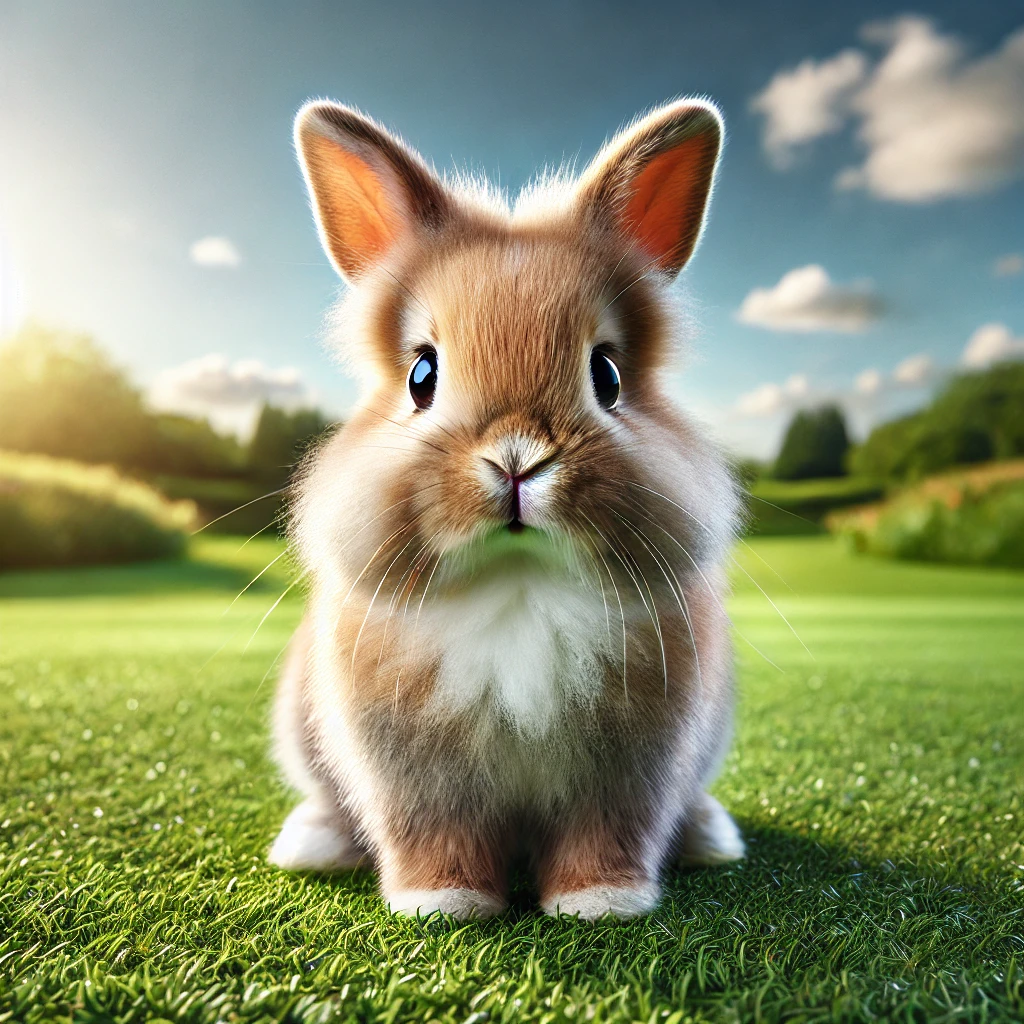
Lovable Mini Pets
Lovable Mini Pets can transform a quiet home into a lively, affectionate space. Whether you’re a busy professional, a student, or a retiree, these small companions offer companionship, comfort, and a touch of joy that fits easily into daily routines. In this guide, we’ll explore why these tiny friends are so special, highlight the top five Lovable Mini Pets, share practical care tips, and help you choose the perfect match for your lifestyle.
Why Lovable Mini Pets Matter
Small pets are often overlooked in favor of larger, more traditional animals, yet they bring unique benefits. Their compact size means they require less space, making them ideal for apartments or homes with limited square footage. They also tend to be less demanding in terms of exercise, allowing owners to enjoy companionship without a rigorous schedule. Moreover, studies show that interacting with pets—regardless of size—can lower stress, reduce blood pressure, and boost overall mood. For many, a Lovable Mini Pet becomes a daily source of comfort and a reminder to pause and appreciate the present moment.
Top 5 Lovable Mini Pets
Below is a curated list of five of the most beloved miniature companions. Each offers distinct personalities and care requirements, so consider your own lifestyle before making a decision.
- Chihuahua – The world’s smallest dog, known for its bold spirit and loyalty. Chihuahua owners enjoy a playful, affectionate bond that thrives in small spaces.
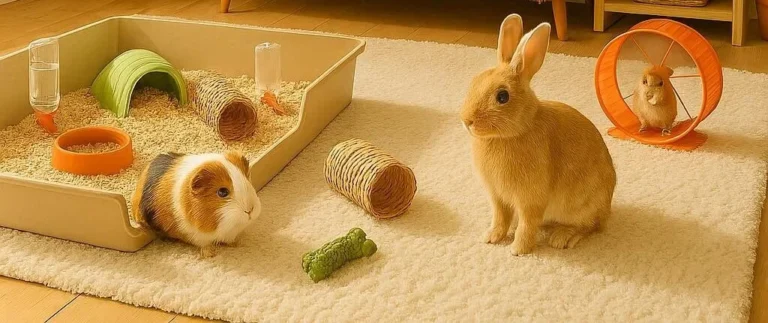
- Guinea Pig – A gentle rodent that thrives on social interaction. Guinea Pig are low-maintenance yet highly engaging, making them perfect for families and first-time pet owners.
- Miniature Poodle – A hypoallergenic dog that combines intelligence with a friendly demeanor. The Miniature Poodle is ideal for those seeking a smart, low-shedding companion.
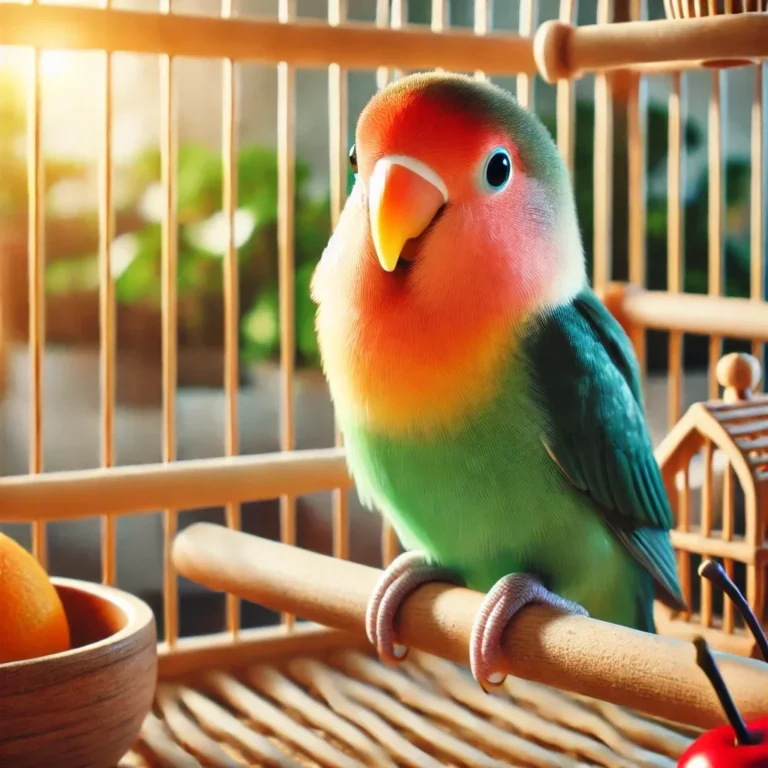
- Budgie (Budgerigar) – A small parrot that offers vibrant color and melodic chatter. Budgies are social, trainable, and can form strong bonds with their owners.
- Hedgehog – A nocturnal mammal that brings a unique, almost exotic feel to the home. Hedgehogs are independent but can be handled gently, making them a fascinating choice for curious pet lovers.
Daily Care Tips for Lovable Mini Pets
Maintaining a healthy, happy Lovable Mini Pet requires consistent attention. Below are essential daily care practices that apply to most small animals:
- Nutrition – Provide species-appropriate food. For example, AVMA’s Pet Care Guide recommends balanced diets tailored to each pet’s size and activity level.
- Hydration – Fresh water should be available at all times. Change water daily to prevent bacterial growth.
- Exercise – Even small pets need movement. A Chihuahua might enjoy short walks, while a guinea pig benefits from a safe, enclosed play area.
- Social Interaction – Spend at least 15–20 minutes each day engaging with your pet. Talk, play, or simply sit together to strengthen the bond.
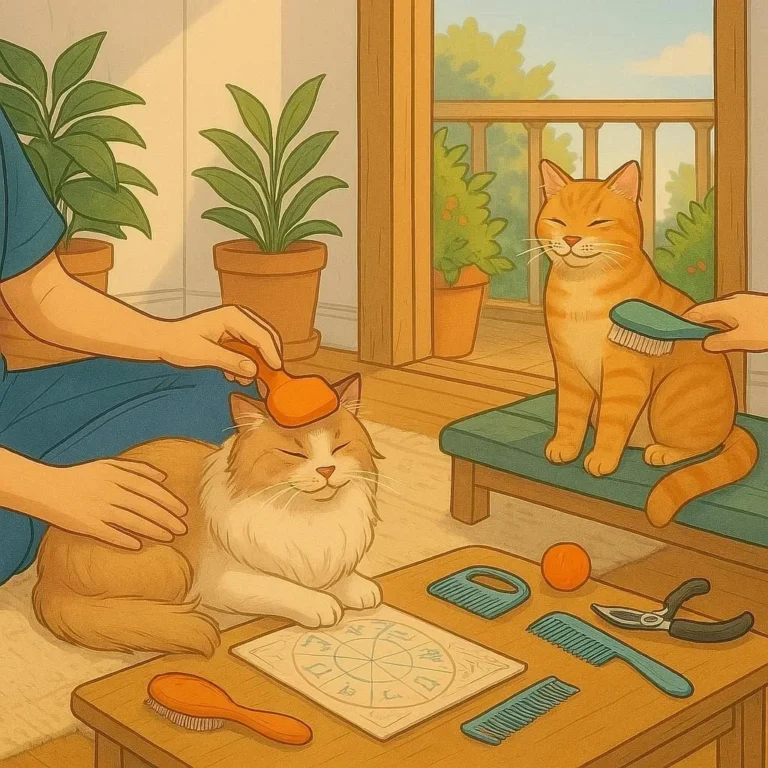
- Hygiene – Regular grooming, cleaning cages or enclosures, and trimming nails help keep your pet healthy and comfortable.
Choosing the Right Lovable Mini Pet for Your Lifestyle
When selecting a Lovable Mini Pet, consider the following factors to ensure a harmonious match:
- Space – Apartments with limited square footage are well-suited for small dogs, rodents, or birds.
- Time Commitment – Busy schedules may favor pets that require less daily attention, such as guinea pigs or hedgehogs.
- Allergies – Hypoallergenic breeds like the Miniature Poodle are ideal for allergy sufferers.
- Family Dynamics – Children may thrive with interactive pets like guinea pigs or budgies, while seniors might appreciate the calm presence of a small dog.
- Budget – Consider initial costs, ongoing supplies, and veterinary care. Small pets often have lower overall expenses.
Before making a final decision, research each species thoroughly. Consult reputable sources such as the National Geographic Miniature Pets feature, and talk to experienced owners or veterinarians. A well-informed choice leads to a lasting, joyful companionship.
Conclusion: Embrace the Joy of Lovable Mini Pets
Lovable Mini Pets offer a unique blend of affection, convenience, and companionship that fits seamlessly into modern life. Whether you choose a spirited Chihuahua, a gentle guinea pig, or a feathered budgie, the benefits of daily interaction are undeniable. By understanding their needs, providing consistent care, and selecting the right match for your lifestyle, you’ll create a bond that enriches both your life and theirs.
Ready to welcome a Lovable Mini Pet into your home? Start your journey today by visiting a local shelter or reputable breeder, and discover the joy that a small companion can bring to your everyday routine.
Frequently Asked Questions
Q1. What makes Lovable Mini Pets ideal for apartment living?
Mini pets are small and require minimal space, making them perfect for apartments. They usually need less exercise than larger breeds, so short walks or indoor play are sufficient. Their quiet nature also reduces noise complaints, which is a common concern in shared living spaces. Overall, they fit comfortably into tight living arrangements without sacrificing companionship.
Q2. How much daily time should I dedicate to a mini pet?
Most mini pets thrive on 15–20 minutes of focused interaction each day. This can include gentle petting, short walks, or play sessions. Consistency is key; regular daily engagement helps build trust and reduces anxiety. Even a quick check-in can make a big difference in their well‑being.
Q3. Are mini pets suitable for children?
Many mini pets, such as guinea pigs and budgies, can be great companions for kids. However, supervision is essential to ensure gentle handling and to teach children proper care. Small dogs like Chihuahuas may be more energetic, so older children or teens might be better suited. Always match the pet’s temperament with the child’s maturity level.
Q4. What are the common health concerns for small dogs like Chihuahuas?
Chihuahuas often face dental issues due to their small jaws, so regular tooth brushing is important. They can also develop heart murmurs and patellar luxation, requiring routine vet checks. Their thin skin makes them susceptible to temperature extremes, so keep them warm in winter and cool in summer. Early detection and preventive care can keep them healthy.
Q5. How do I choose between a dog, rodent, bird, or hedgehog?
Consider space, time, allergies, and family dynamics. Dogs need more exercise and social interaction, while rodents and hedgehogs are more independent. Birds offer vocal companionship but require mental stimulation. Evaluate your daily routine and preferences to find the best match.