Long Living Pet Birds Guide
Anyone who has ever shared a home with a feathered friend knows that a long‑living pet bird can become a lifelong companion, filling years with song, personality, and a dash of wild wonder. While the average lifespan of many common pet birds ranges from five to fifteen years, careful attention to diet, environment, and health can dramatically extend those numbers. In this comprehensive guide we explore proven strategies to help you raise truly long living pet birds, drawing on the latest avian research and trusted resources such as the Parrot entry on Wikipedia, the AVMA Bird Care guidelines, and nutrition insights from the USDA Animal Feed program. By the end of this article you’ll understand the science behind avian longevity and have a clear action plan for giving your bird the healthiest, happiest life possible.
Long Living Pet Birds: Understanding Their Lifespan
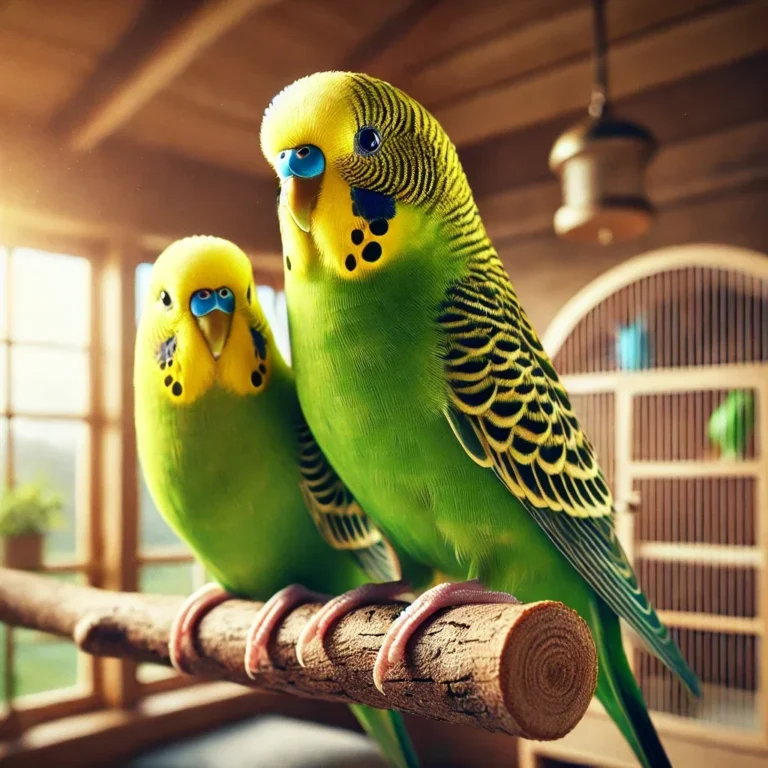
Long living pet birds are not a myth; they are the result of genetics, proper husbandry, and proactive health management. Species such as African greys, macaws, and cockatiels routinely surpass 30 years when cared for correctly. In contrast, smaller species like budgerigars often peak around 10 years, though exceptional individuals have reached 15 years with optimal care. Recognizing where your bird falls on the lifespan spectrum helps set realistic expectations and motivates you to adopt best practices early in life.
Long Living Pet Birds: Key Factors for Health
Three pillars dominate the longevity equation: nutrition, environment, and preventive health. Neglect any one, and the risk of premature disease rises sharply. Below we break down each pillar and provide concrete steps you can take today.
Nutrition and Diet
Nutrition is arguably the single most influential factor in bird lifespan. A balanced diet mimics what wild avians eat—seed mixtures complemented by fresh fruits, vegetables, nuts, and high‑quality pellets. According to the Cornell Lab of Ornithology, diets rich in antioxidants (such as berries and leafy greens) support immune function and reduce oxidative stress, a major driver of age‑related decline.
Key nutrition tips for long living pet birds include:
- Pellet Base: Offer a nutritionally complete pellet as the foundation of every meal.
- Fresh Produce: Provide a daily assortment of chopped carrots, broccoli, apples, and berries.
- Calcium Sources: Include cuttlebone or mineral blocks to prevent metabolic bone disease.
- Limit Seed‑Only Feeding: Seeds are high in fat; excess can lead to obesity and liver issues.
Rotate fruits and vegetables to avoid nutrient gaps, and always wash produce thoroughly to remove pesticides.
Environmental Enrichment
Long living pet birds thrive in environments that stimulate their natural behaviors. Enrichment reduces stress, which is a known contributor to chronic disease in avians. Provide climbing perches, foraging toys, and opportunities for flight (or safe indoor soaring). A rotating schedule of toys keeps curiosity alive and prevents boredom‑induced feather plucking.
Research from the AVMA shows that birds with daily mental challenges have measurable decreases in cortisol levels, a stress hormone linked to immune suppression. Aim for at least 30 minutes of active engagement each day, whether it’s a training session, a supervised flight, or a puzzle feeder.
Long Living Pet Birds: Choosing Species Known for Longevity
If you are just starting your avian journey, selecting a species with a proven track record of long life can set you up for success. Below is a quick reference of popular long living pet birds and their typical lifespan ranges when cared for appropriately.
- African Grey Parrot: 40–60 years
- Macaw (various species): 30–50 years
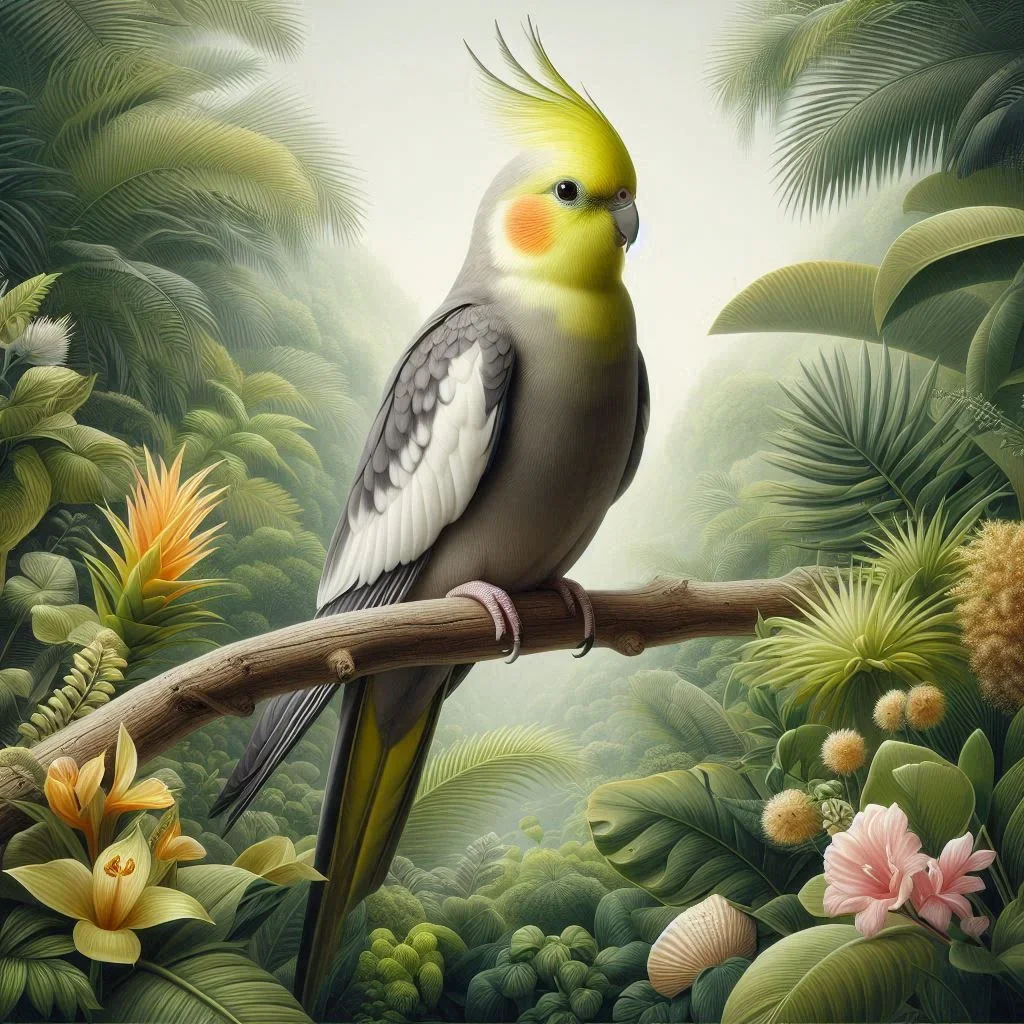
- Cockatiel: 15–25 years
- Amazon Parrot: 25–35 years
- Conure: 20–30 years
While larger parrots often require more space and a higher financial commitment, their extended companionship can be incredibly rewarding. Smaller species can also achieve impressive ages with diligent care; the secret lies in the same three pillars discussed earlier.
Long Living Pet Birds: Routine Health Care Practices
Even the most attentive owner cannot replace professional veterinary expertise. Regular check‑ups, tailored to your bird’s species and age, are essential for early detection of conditions such as psittacine beak and feather disease, liver lipidosis, or respiratory infections.
Veterinary Check‑ups
Schedule an avian veterinary exam at least once a year for adult birds and twice a year for seniors (over 15 years). During exams, veterinarians will conduct a thorough physical assessment, weight tracking, and possibly blood work to gauge organ function. Maintaining a health diary—recording feed intake, droppings, and behavior changes—helps the vet pinpoint subtle trends.
Preventive Measures
Vaccinations are not routine for most pet birds, but preventive care includes parasite control, proper hygiene, and safe handling practices. Clean cages weekly, replace perches regularly, and ensure fresh water is always available. Avoid exposing your bird to aerosol cleaners or scented candles, which can irritate delicate respiratory passages.
Long Living Pet Birds: Monitoring and Adapting Over Time
Longevity is a moving target; what works for a juvenile bird may need adjustment as it ages. Pay attention to shifting dietary needs—older birds often require softer foods and higher calcium. Likewise, mental stimulation should evolve; newer puzzles that mimic foraging can replace simple toys as dexterity wanes.
When you notice changes in appetite, vocalization, or feather condition, act promptly. Early intervention can mean the difference between a manageable condition and a life‑threatening emergency.
Conclusion
Investing in the right nutrition, enriched environment, regular veterinary care, and species selection will give your feathered companion the best chance at a long, vibrant life. Ready to start the journey toward raising a truly long living pet bird? Explore our detailed care guides, join a local avian club, and schedule that first avian wellness exam today. Your bird’s future depends on the steps you take now—make them count.
Frequently Asked Questions
Q1. How long can a pet bird live with proper care?
With optimal nutrition, enrichment, and regular veterinary visits, many species such as African Grey parrots can reach 40‑60 years, while smaller birds like cockatiels often live 15‑25 years. Genetics also play a role, but most birds exceed average lifespans when their basic needs are met.
Q2. What is the best base diet for long living pet birds?
A high‑quality pellet should form the staple of every meal, supplemented with fresh fruits, vegetables, nuts, and occasional seeds. Pellets provide balanced vitamins and minerals, while produce adds antioxidants that protect against age‑related cellular damage.
Q3. How much daily enrichment does a bird need?
Birds benefit from at least 30 minutes of active mental stimulation each day, such as puzzle feeders, foraging toys, or supervised flight time. Rotating toys and introducing new challenges helps lower stress hormones and encourages natural behaviors.
Q4. How often should I take my bird to the vet?
Adult birds should see an avian veterinarian at least once a year, while senior birds over 15 years merit a semi‑annual exam. Regular check‑ups allow early detection of liver, respiratory, or feather diseases.
Q5. Can older birds still eat the same foods as younger birds?
Older birds often need softer foods and increased calcium to support bone health. You can continue the pellet base but add cooked vegetables, softened fruits, and a reliable calcium source like cuttlebone.