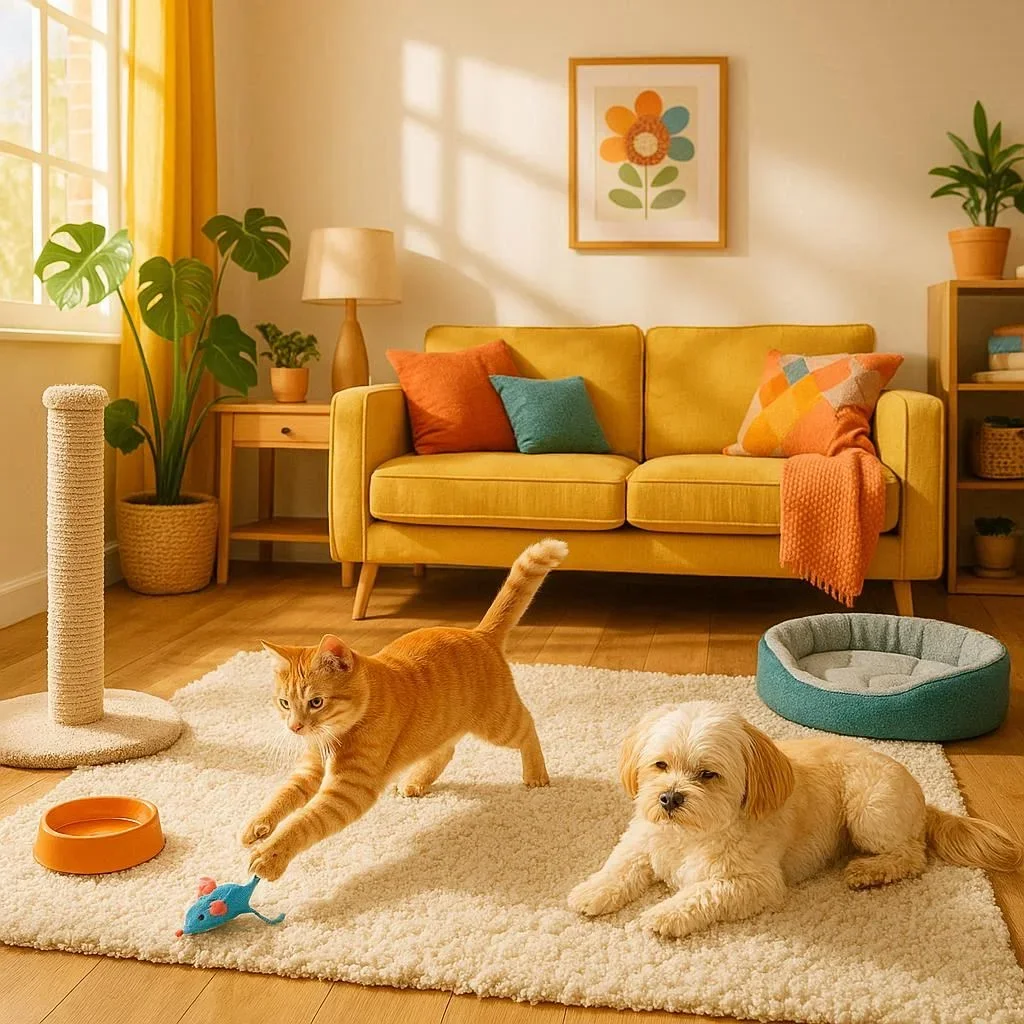
Keeping Indoor Pets Happy and Healthy
Keeping Indoor Pets Happy and Healthy
As a pet owner, ensuring your furry friends lead a happy and healthy life is a top priority. For many of us, our pets are more than just companions—they’re part of the family. However, with increasingly busy lifestyles and the challenges of outdoor environments, keeping pets indoors has become a common practice. While indoor living can provide a safe and comfortable space for your pets, it also comes with its own set of challenges.
In this blog post, we’ll explore some essential tips and tricks to keep your indoor pets happy, healthy, and thriving. Whether you have a cat, dog, or another furry companion, you’ll find practical advice to create a nurturing indoor environment that supports their physical and mental well-being.
Understanding Your Pet’s Needs
Before diving into the tips, it’s crucial to understand your pet’s basic needs. All animals require a combination of proper nutrition, regular exercise, mental stimulation, and a safe living space. Indoor pets, in particular, may face unique challenges such as lack of space, limited exposure to natural light, and fewer opportunities for physical activity. By addressing these factors, you can help your pets lead a fulfilling indoor life.
1. Create a Pet-Friendly Indoor Environment
The first step in keeping your indoor pets happy and healthy is to create a pet-friendly environment. This means ensuring your home is safe, comfortable, and stimulating for your furry friends.
- Provide Adequate Space: Even if you live in a small apartment, it’s important to designate areas where your pets can move around freely. Consider investing in cat trees or multi-level furniture for cats, and ensure dogs have enough room to stretch and play.
- Pet-Proof Your Home: Indoor pets can sometimes get into trouble if left unsupervised. Secure any loose wires, toxic substances, or fragile items that could pose a risk to your pets. Make sure windows are secure, and avoid leaving small objects lying around that could be swallowed.
- Offer Hiding Spots: Dogs and cats often feel more secure when they have a place to retreat to when they feel anxious or overwhelmed. Provide your pets with cozy hideouts such as cardboard boxes, tents, or small enclosures.
- Ensure Proper Ventilation: Indoor air quality can sometimes be poor due to dust, dander, and bacteria. Use air purifiers to keep the air clean and fresh, and ensure proper ventilation to prevent the buildup of stale air.
2. Nutrition and Diet
A balanced diet is essential for maintaining your pet’s health. Indoor pets may be less active than their outdoor counterparts, so it’s important to monitor their food intake to prevent obesity and related health issues.
- Choose High-Quality Food: Opt for premium pet food that is rich in essential nutrients, vitamins, and minerals. Avoid fillers and by-products that can be detrimental to your pet’s health.
- Monitor Portion Sizes: Indoor pets may not burn as many calories as outdoor pets, so it’s important to control portion sizes to prevent overeating. Consult your veterinarian for feeding guidelines tailored to your pet’s specific needs.
- Stay Hydrated: Ensure your pets always have access to fresh, clean water. Place water bowls in multiple locations around the house to encourage hydration.
3. Exercise and Playtime
Regular exercise is crucial for maintaining your pet’s physical health and mental well-being. While indoor pets may not have access to outdoor spaces, there are plenty of ways to keep them active and engaged.
- Indoor Activities: Engage your pets in indoor games such as fetch, tug-of-war, or hide-and-seek. For cats, use laser pointers or feather wands to encourage movement and play.
- Provide Mental Stimulation: Bored pets can become restless or destructive. Provide toys and puzzles that challenge their minds and keep them entertained. Rotate toys regularly to keep things interesting.
- Schedule Playtime: Set aside dedicated time each day to play with your pets. Consistency helps establish a routine and ensures your pets get the exercise they need.
4. Hygiene and Grooming
Regular grooming is essential for maintaining your pet’s health and hygiene. Indoor pets may require more frequent grooming due to shedding and the accumulation of dirt and dander.
- Brush Their Fur: Regular brushing helps remove loose hair, reduces shedding, and prevents matting. It also helps distribute skin oils to keep their coat healthy and shiny.
- Nail Care: Trim your pet’s nails regularly to prevent overgrowth, which can cause discomfort and health issues. Use a pet nail clipper or consult a professional groomer if you’re unsure.
- Teeth Brushing: Dental health is crucial for overall well-being. Brush your pet’s teeth regularly to prevent tartar buildup and bad breath. Use a pet-specific toothbrush and toothpaste.
5. Social Interaction and Mental Stimulation
Pets thrive on social interaction and mental stimulation. Indoor pets may not have the same opportunities for socialization as outdoor pets, so it’s important to provide them with alternative forms of stimulation.
- Spend Quality Time: Spend quality time with your pets, engaging in activities that strengthen your bond. This could be as simple as cuddling, talking to them, or engaging in play.
- Environmental Enrichment: Create an enriching environment by rotating toys, introducing new textures, and providing scratching posts. For cats, consider adding climbing structures or cat shelves.
- Interactive Toys: Use interactive toys that challenge your pets and keep them engaged. Puzzle feeders are a great way to keep your pets mentally stimulated and slow down eating.
6. Veterinary Care
Regular veterinary check-ups are essential for maintaining your pet’s health. Even indoor pets need regular vaccinations, parasite control, and health screenings.
- Schedule Regular Check-Ups: Stick to a regular vaccination schedule and ensure your pets receive routine health check-ups. Early detection of health issues can prevent more serious problems down the line.
- Preventative Care: Use flea, tick, and heartworm preventatives to protect your pets from parasites. These can be administered orally or topically, depending on the product.
- Monitor Health: Keep an eye out for signs of illness or unusual behavior. If you notice any changes in appetite, energy levels, or physical condition, consult your veterinarian immediately.
Conclusion
Keeping your indoor pets happy and healthy requires attention to their physical and mental needs. By creating a safe and stimulating environment, providing a balanced diet, ensuring regular exercise, and staying on top of hygiene and veterinary care, you can help your pets thrive indoors. Remember, every pet is unique, so tailor your approach to meet their individual needs and preferences. With a little creativity and care, your indoor pets can enjoy a happy, healthy, and fulfilling life.