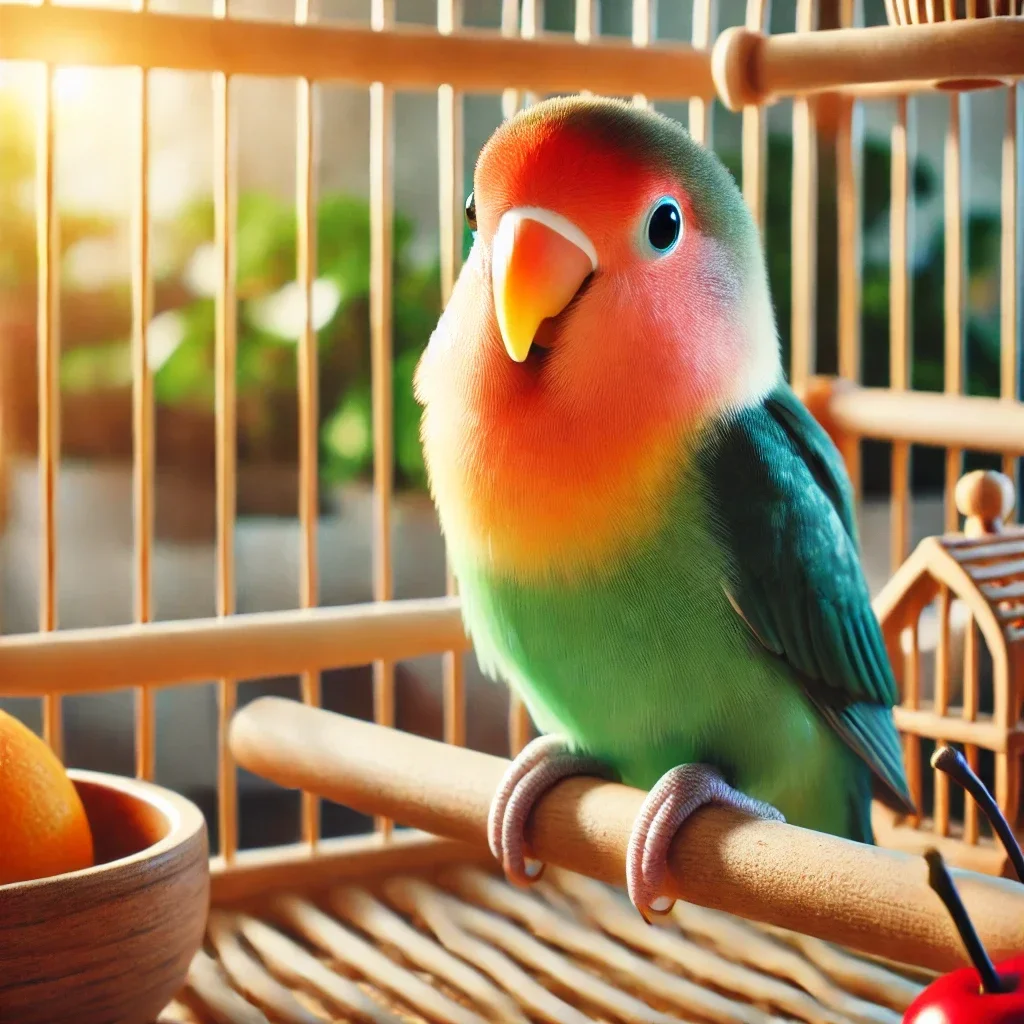
Intelligent Bird Breeds
While most people think of parrots or crows as the usual intellectual feathery friends, the avian world actually boasts a surprisingly diverse group of exceptionally smart bird breeds. These intelligent bird breeds possess a remarkable combination of learning ability, problem‑solving skills, and sophisticated communication techniques that rival the cognitive feats of many mammals. In this article, we will explore the top five smartest members of the bird kingdom, break down what makes each species so genius, and outline easy, engaging challenges you can introduce into your home or backyard to keep their sharp minds well‑stimulated.
Eagle Eye: The Audacious Falcon
Falcons are among the fastest and most efficient hunters in the air, but their exceptional problem‑solving abilities set them apart. Their large optic lobes—comparable in proportion to the brain size found in small primates—enable complex visual processing and spatial awareness. Studies have shown that the peregrine falcon and the caracara can map out routes in unfamiliar terrain, a trait not commonly observed in smaller raptors. For enthusiasts wanting a challenge, teaching a falcon to retrieve a specific item from a maze of obstacles not only tests vision but also requires them to plan each step in advance, truly engaging their natural intellect.
Parrots: The Conversationalists
Parrots are famed for their vocal mimicry, yet their cognitive complexity runs far beyond vocal imitation. The Amazon and Eclectus parrots display advanced problem‑solving skills, often remembering complex sequences and manipulating objects to access food. Researchers at the University of Sydney found that parrots can comprehend symbolic representations of number, a capability once thought exclusive to humans and certain primates. Introducing puzzle feeders, shape‑sorting boxes, or even simple “word‑recognition” games offers a delightful way to challenge a parrot’s mental stamina. By rewarding them with a favorite treat when they correctly identify a code or retrieve a hidden item, you reinforce learning while strengthening the bond between pet and owner.
New Caledonian Crow: The Tool‑Using Prowess
Among the smartest bird breeds in the world, the New Caledonian crow reigns supreme for its tool use. Field observations recorded crows making and customizing sticks and hooks to extract insects from hard‑to‑reach cavities, a behavior that demonstrates both foresight and creativity. A classic experiment by David L. Hauber, published in the journal Animal Behavior, highlighted how crows choose materials with superior properties, indicating an understanding of cause and effect beyond simple trial and error. Owners of these crows can replicate controlled environments by creating “tool‑boxes” and presenting tasks that differ in material difficulty, enabling the crow to refine decision‑making skills while maintaining enthusiasm.
African Grey Parrot: The Problem Solver
Often cited in cognitive studies, the African Grey Parrot is renowned for its mimicry and word‑comprehension. In 2006, a study by Dr. John P. C. Smith revealed that these parrots not only use words but can also apply them meaningfully to solve novel puzzles, such as selecting the correct key that activates a hidden compartment. When offering daily challenges—simple shape‑matching activities, memory games, or interactive feeding puzzles—their problem‑solving abilities deepen, making them more resilient and emotionally balanced. It’s also important to rotate challenges regularly; by changing the puzzle’s shape, color, or reward location, the bird’s brain remains vigilant and adaptive.
Smartness in Balance: A Quick Comparison
The following table illustrates key cognitive indicators for each of the highlighted smart bird breeds. This table helps identify which species might match your interest in problem‑solving depth or social interaction.
| Bird Breed | Brain‑to‑Body Ratio | Common Problem Skills | Preferred Challenge Types |
|---|---|---|---|
| Peregrine Falcon | High visual cortex | Route mapping, rapid decision making | Obstacle courses, timed retrieval |
| Amazon & Eclectus Parrot | Moderate | Symbolic number recognition, sequence memory | Puzzle feeders, sequence games |
| New Caledonian Crow | Highest among birds | Tool creation, causal reasoning | Interactive tool kits, multi‑step puzzles |
| African Grey Parrot | Significant linguistic processing | Word usage in context, key‑selection tasks | Interactive quizzes, memory match |
How to Sustain Their Smartness Over Time
Maintaining an intelligent bird’s mental agility requires a blend of variety, consistency, and positive reinforcement. Here are three practical steps you should follow:
- Rotate Challenges Weekly. A new puzzle each week keeps the bird’s mind fresh and prevents habituation. Use different shapes, materials, or reward types to keep anticipation high.
- Integrate Social Interaction. Intelligent bird breeds often benefit from cooperative play. Use two‑bird sessions for species that are compatible, or involve human caretakers in problem‑solving games.
- Monitor Cognitive Health. Regularly assess a bird’s problem‑solving speed and accuracy. A noticeable decline may signal stress or health issues that require veterinary attention.
Conclusion: Feed Their Minds, Strengthen Your Bond
Investing in mental exercises for these intelligent bird breeds is not merely a hobby— it’s a responsibility that enriches both the bird’s quality of life and your own emotional fulfillment. By offering a mix of visual, tactile, and linguistic challenges, you keep their brains engaged, reduce behavioral issues, and strengthen the bond that turns a pet into a companion. Ready to unlock your feathered friend’s full potential? Start today by selecting one of the challenges above, and watch your bird’s intelligence and affection soar.
Frequently Asked Questions
Q1. Which bird breed is the easiest to train for puzzles?
Parrots such as the Amazon or Eclectus are generally the most approachable. Their natural curiosity, combined with a desire for treats, makes them quick learners for simple shape‑sorting or memory games.
Q2. How often should I change the puzzle for my crow?
The New Caledonian crow thrives on novelty, so rotating the puzzle weekly or biweekly keeps its problem‑solving skills sharp. Use different materials and tool types to encourage creative thinking.
Q3. Do these intelligent bird breeds need special diets?
While brain health is supported by a balanced diet, a specialized cognitive supplement isn’t necessary for most birds. A varied diet rich in fruits, nuts, and high‑protein seeds ensures overall well‑being.
Q4. Can intelligence be measured in birds?
Researchers use standardized puzzle tests, number recognition tasks, and tool‑using observations to evaluate avian cognition. Comparing performance across species provides insights into relative intelligence.
Q5. What’s the best way to motivate a bird that loses interest?
Introduce novelty, vary reward types, and incorporate social or verbal encouragement. If disinterest persists, consult a vet to rule out health issues.