Indoor vs. Outdoor Birdkeeping: Pros and Cons
Keeping a pet bird offers companionship, feathered flair, and a window into avian biology. Yet, a key decision beginners and experienced enthusiasts alike face is whether to house their feathered friends indoors or allow them the freedom of the outdoors. Both approaches bring distinct advantages and challenges that can significantly impact a bird’s wellbeing, your budget, and the overall birdkeeping experience.
The following guide explores the key factors in each style of birdkeeping, compares practical concerns, and provides actionable tips to help you make an informed choice that best supports your pet’s health and happiness.
Why Choose Indoor Birdkeeping?
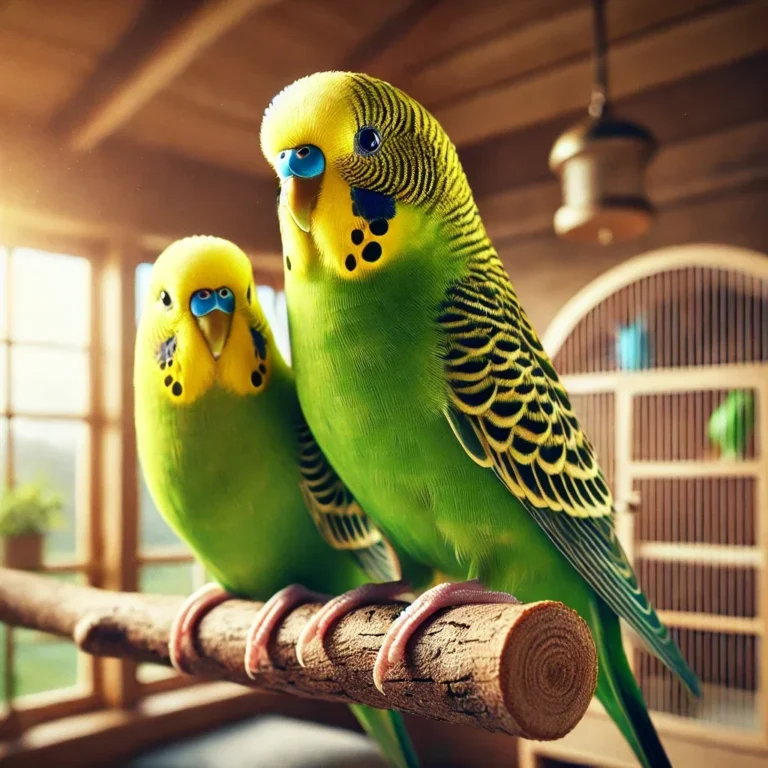
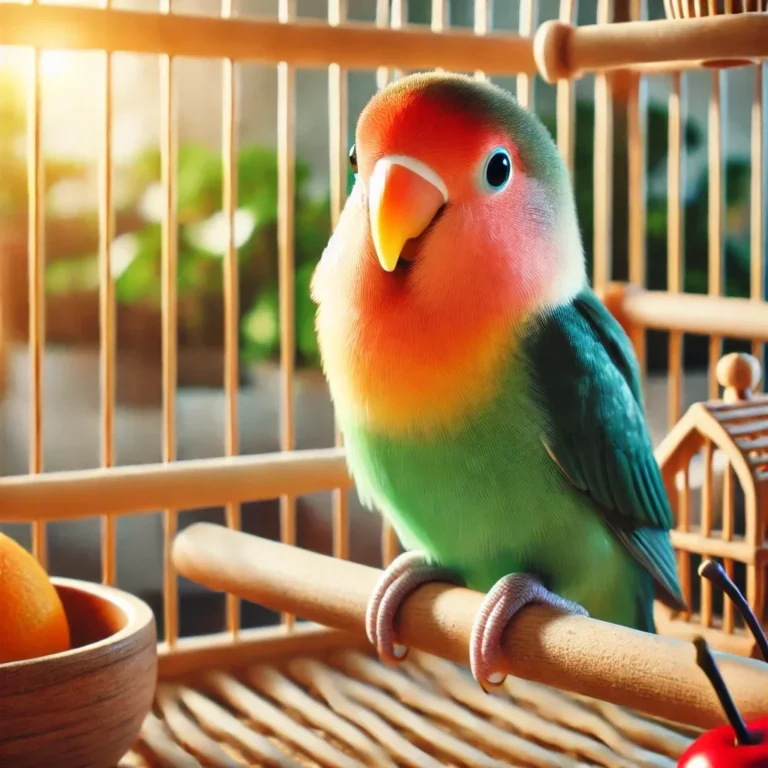
Indoor birdkeeping is the most common setup among pet owners because it gives you full control over environmental conditions, food, and safety. When birds stay inside, you can manage temperature, lighting, and shelter—essential for species that thrive in stable climates or when you live in harsher weather areas.
Benefits of Indoor Birdkeeping
- Climate control – Keeps birds comfortable in extreme heat or cold.
- Year‑round companionship – Birds remain near you regardless of seasons.
- Health monitoring – Regular checks and preventive veterinary care are easier.
- Safety from predators – Protects birds from raccoons, hawks, and other dangers.
- Reduced risk of disease transmission – Limits contact with stray wildlife.
Common Drawbacks of Indoor Keeping
- Limited space – Many species need large cages or perches to fly or roost.
- Potential boredom – Lack of varied stimuli can lead to behavioral issues.
- Higher maintenance – Requires frequent cage cleaning and environmental enrichment.
- Cost of enclosures – Quality cages, perches, and enrichment can be pricey.
Why Choose Outdoor Birdkeeping?
Outdoor birdkeeping, often referred to as “free‑roam” or “outdoor aviary” systems, allows birds greater freedom and a more natural environment. This approach can be ideal for certain species that are adapted to the outdoors, such as finches and some parrots.
Benefits of Outdoor Keeping
- Natural light and air – Improves vitamin D synthesis and oxygen levels.
- More space – Airports for flight and natural perching options.
- Ground root or grass interaction – Encourages natural foraging behaviors.
- Potential for wildlife interaction – Birds can observe or socialize with local fauna.
Common Drawbacks of Outdoor Keeping
- Environmental hazards – Weather exposure, predators, and toxic plants.
- Disease risks – Greater chance of catching parasites or pathogens from the wild.
- Limited shelter – May not be suitable for species with nocturnal or sensitive needs.
- Regulatory concerns – Many jurisdictions restrict indoor vs. outdoor bird housing.
Key Factors to Compare
| Factor | Indoor | Outdoor |
|——–|——–|———|
| Space Availability | Limited by cage dimensions; needs large enclosures for flightier species. | Natural landscapes; requires a safe, predator‑proof aviary or secure yard. |
| Cost | High initial investment in cages, perches, and enrichment. | Lower cage purchase but potentially higher costs for outdoor shelter, fencing, and weatherproofing. |
| Health & Welfare | Easier disease monitoring, but risk of respiratory issues if ventilation poor. | Better ventilation, but increased risk of parasites and the need for regular vaccination. |
| Legal & Environmental | Fewer legal constraints; permits rarely needed for small species. | Often requires permits, especially for exotic or protected species, and must comply with local wildlife regulations. |
Evaluating Space and Cost
If you aspire to keep a medium‑sized parrot like a budgie or cockatiel, a high‑quality cage can cost anywhere from $200‑$500. For larger species such as a macaw or African grey, enclosures can surpass $1,200. Outdoor setups might require a sizeable, predator‑proof enclosure—$400‑$800 for a basic swing‑style aviary, though custom builds can exceed $2,000.
Assessing Health and Welfare
According to the American Bird Conservancy, indoor birds benefit from controlled environments but are prone to obesity or respiratory problems if their diet is hidden. Conversely, the Cornell Lab of Ornithology recommends that outdoor canaries need at least 35 cm of horizontal space and natural foraging areas to prevent stress. Accessibility to a veterinarian experienced with avian medicine is crucial in both scenarios.
Understanding Legal and Environmental Constraints
Many U.S. states restrict the outdoor housing of Captive‑Issued Exotically Restricted Species (CIERS). In the UK, the Animals (Scientific Procedures) Act controls indoor and outdoor ownership of certain birds. Always consult local wildlife agencies or the National Animal Authority before setting up an outdoor aviary.
Tips for Choosing the Right Environment
- Know Your Species – Examine natural habitat requirements on the Wikipedia page for birds and specific species guides.
- Create Comfort Zones – Whether indoors or outdoors, maintain a shaded nook and a quiet, draft‑free area.
- Rotate Stimuli – Rotate toys, perches, and feeding puzzles to prevent boredom.
- Ensure UV and Vitamin‑D Supply – Supplement indoor lighting with UVB lamps when sun exposure is limited.
- Maintain Consistent Temperature – Avoid sudden thermal shifts that could stress birds.
- Use Predator‑Proof Fencing – If outdoors, install a netting system that extends 1‑2 m above ground. The GrazeWell brand offers tested products.
- Regular Health Checks – Schedule monthly vet visits and monthly parasite screenings.
- Educate Residents – Inform family members, especially children, on safe bird interaction protocols.
Common Questions About Indoor vs. Outdoor Birdkeeping
Can I Transition a Bird from Indoors to Outdoors?
Yes, but gradual acclimatization is essential. Start with short, supervised outdoor sessions, monitor stress indicators, and ensure the bird has a secure return to the indoors if needed.
What Fencing Is Best for Outdoor Aviaries?
A 1‑2 m mesh height is typically effective. For species prone to escape, opt for a double‑wall mesh with a 30 mm bird‑proof wall at the perimeter.
Do I Need a Permit for Housing Owls Outdoors?
Owls are protected under the Federal Wildlife Service, and most require special permits. Always verify with local authorities.
Conclusion & Call to Action
Choosing between indoor and outdoor birdkeeping boils down to balancing your bird’s natural instincts with practical considerations of safety, health, and space. Indoors offer control and year‑round companionship, while outdoors bring fresher air, natural light, and potential enrichment. Evaluating species needs, financial capacity, local regulations, and your own lifestyle will guide you to a decision that promotes both bird welfare and human enjoyment.
Now that you’re equipped with real‑world data and a clear comparison, it’s time to decide which habitat best suits your feathered friend. If you’re leaning toward an indoor setup, start scouting for quality cages and enrichment. If the outdoors call to you, consider building a predator‑proof aviary and integrating natural elements.
Take the next step: share your bird‑care plans on Ornithology.org or comment below to connect with like‑minded avian enthusiasts.
Happy birding, and here’s to a bright, healthy feathered companion!