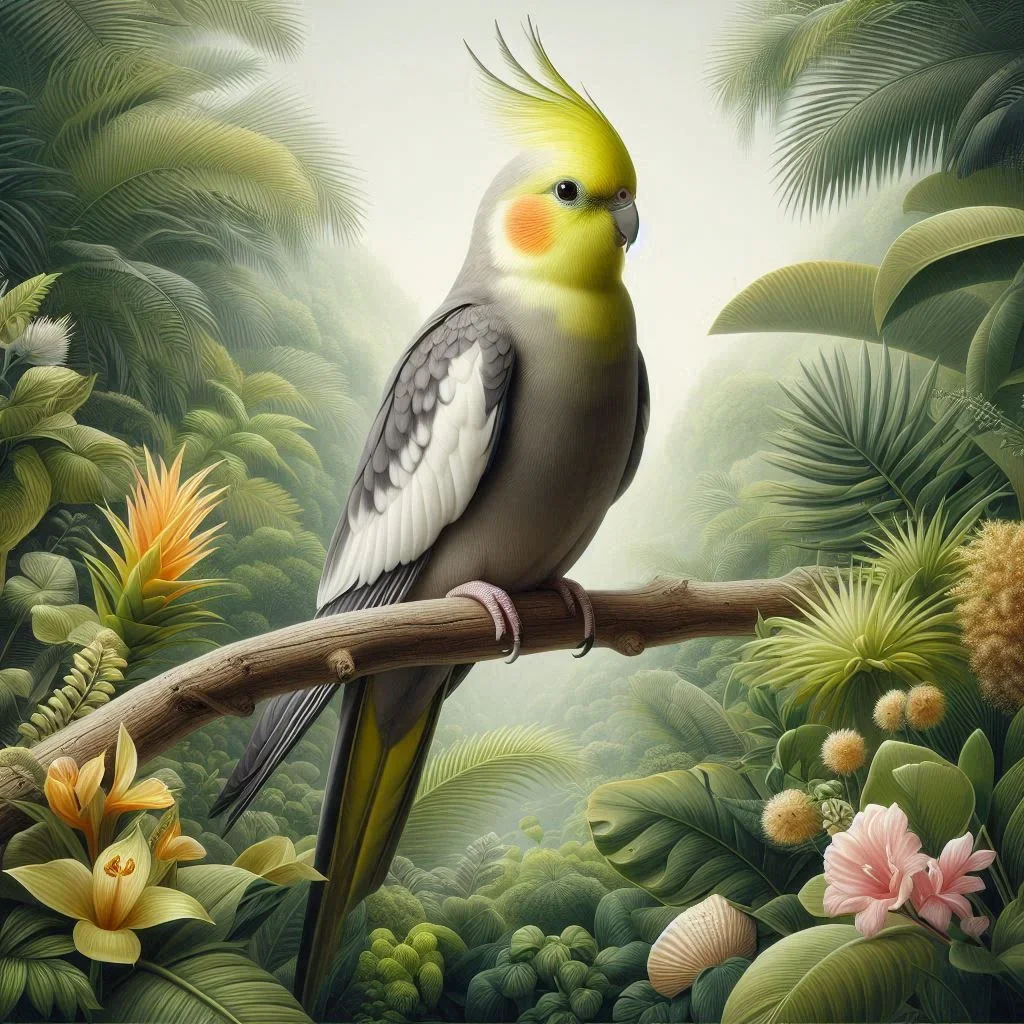
How to Train and Bond with Your Pet Bird
Birds make fascinating and loving pets, offering companionship, entertainment, and a unique opportunity to connect with nature. However, unlike dogs or cats, birds require a different approach to training and bonding. Building a strong relationship with your pet bird involves understanding their behavior, providing the right environment, and dedicating time to interact and train. In this blog post, we’ll explore practical tips on how to train and bond with your pet bird, helping you create a lifelong friendship with your feathered companion.
Understanding Your Bird’s Nature
Before diving into training, it’s essential to understand the natural behavior of birds. Birds are intelligent creatures with complex social behaviors. In the wild, they communicate, problem-solve, and thrive in flocks. Domestic birds retain these instincts, so they need mental and social stimulation to stay happy and healthy.
Research your bird’s species to understand their specific needs and personality traits. For example, parrots are known for their ability to mimic speech and require a lot of interaction, while canaries may be more independent but still benefit from a stimulating environment. Knowing your bird’s natural behaviors will help you tailor your training and bonding approach.
Creating a Safe and Comfortable Environment
A safe and comfortable environment is the foundation for building trust and fostering a strong bond with your pet bird. Here are some tips to create the right setting:
1. Provide a Spacious Cage
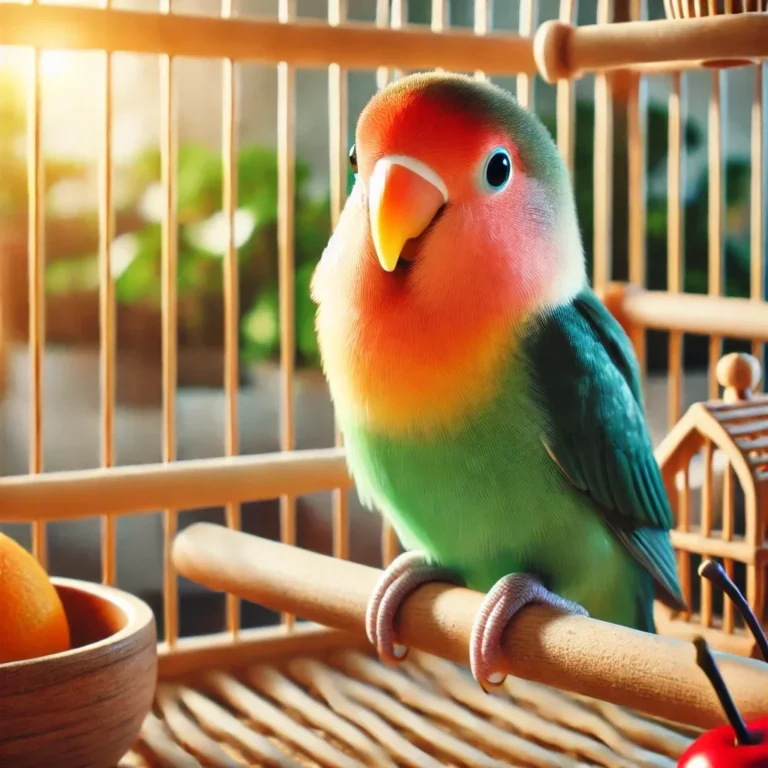
Birds need room to move and exercise. A spacious cage with horizontal bars allows your bird to climb, stretch, and fly. Place the cage in a well-ventilated, quiet area of your home to reduce stress.
2. Offer a Variety of Toys
Birds are naturally curious, and toys keep them entertained and mentally stimulated. Rotate toys regularly to prevent boredom and encourage exploration. Choose durable, non-toxic toys that match your bird’s size and species.
3. Maintain Proper Lighting and Temperature
Birds are sensitive to light and temperature. Ensure your bird’s environment has natural light during the day and darkness at night. Research the ideal temperature range for your bird’s species to keep them comfortable.
Building Trust and Bonding
Building trust is crucial for a strong bond with your pet bird. Birds are naturally cautious, so patience and consistency are key. Here’s how to build trust:
1. Start with Short Interactions
Begin with short sessions of interaction, allowing your bird to get used to your presence. Sit near the cage, talk calmly, and offer treats to encourage curiosity.
2. Use Positive Reinforcement
Positive reinforcement is a powerful training tool. Reward desired behaviors with treats, praise, or playtime. For example, when your bird steps onto your hand or performs a trick, offer a treat to reinforce the behavior.
3. Be Consistent
Consistency helps your bird understand expectations and builds trust. Stick to a routine for feeding, playtime, and training sessions. A predictable environment reduces stress and fosters a sense of security.
Training Your Pet Bird
Training not only strengthens your bond but also helps with behavior management. Here’s a step-by-step guide to training your pet bird:
1. Get Your Bird Used to Your Hand
Start by placing your hand near the cage and offering treats. Gradually introduce your hand inside the cage, letting your bird become comfortable with your presence. Once your bird is relaxed, encourage them to step onto your hand using a treat as a lure.
2. Teach Basic Commands
Start with simple commands like “step up” or “come here.” Use aconsistent tone and reward your bird for responding correctly. Be patient and repeat commands multiple times until your bird understands.
3. Introduce Trick Training
Once your bird is comfortable with basic commands, you can teach more complex tricks like shaking hands, flying to a perch, or fetching objects. Trick training not only impresses but also challenges your bird’s intelligence.
4. Address Behavioral Issues
Some birds may develop unwanted behaviors like screaming, feather plucking, or aggression. Identify the underlying cause of the behavior and address it with positive reinforcement, environmental enrichment, or professional help if needed.
Bonding Activities for You and Your Bird
Beyond training, engaging in fun activities with your bird strengthens your bond and keeps your feathered friend happy and active. Here are some ideas:
1. Social Interaction
Spend time talking to your bird, sharing meals, or simply sitting together. Birds thrive on social interaction, and your presence helps them feel connected.
2. Playtime Outside the Cage
Allow your bird to explore outside the cage under close supervision. Use a bird-safe room or aviary to give your bird space to fly and play. Supervised playtime is essential to prevent accidents and ensure safety.
3. Trick Sessions
Incorporate trick sessions into your daily routine. Teaching new tricks challenges your bird’s mind and reinforces your bond.
4. Create a Bonding Ritual
Develop a special ritual, such as a morning greeting or bedtime routine, to create a sense of closeness. This could be as simple as offering a treat or a friendly chat.
Tips for a Deeper Bond
Every bird is unique, and building a deep bond requires attention to your bird’s preferences and personality. Here are some additional tips to strengthen your relationship:
1. Observe and Adapt
Pay attention to your bird’s likes and dislikes. If your bird prefers certain treats or toys, use them during training and playtime to make interactions more enjoyable.
2. Encourage Independence
While bonding is important, it’s equally crucial to encourage your bird’s independence. Allow your bird to explore and solve problems on their own, which builds confidence and reduces clinginess.
3. Show Affection Gently
Birds may not always enjoy being touched or cuddled, so respect their boundaries. Offer gentle scratches or light petting if your bird enjoys it, but don’t force physical affection.
4. Celebrate Milestones
Celebrate small victories, like mastering a new trick or stepping onto your hand for the first time. Acknowledge progress to reinforce positive behaviors and strengthen your bond.
The Importance of Patience
Building a strong bond with your pet bird takes time and patience. Birds can be unpredictable, and progress may vary. Stay calm during challenging moments, and remember that every interaction is an opportunity to strengthen your relationship.
Conclusion
Training and bonding with your pet bird is a rewarding experience that enriches both your life and your bird’s life. By creating a safe environment, building trust, and engaging in meaningful activities, you can form a lifelong friendship with your feathered companion. Remember to be patient, consistent, and attentive to your bird’s needs, and enjoy the joy and companionship that only a pet bird can provide.