How to Tell if Your Rabbit Is Lonely
Rabbits are social creatures that thrive on companionship and interaction. Unlike dogs or cats, rabbits have specific needs that, if not met, can lead to loneliness and stress. However, identifying whether your rabbit is lonely can be challenging because they don’t express emotions like humans do. As a responsible rabbit owner, it’s essential to understand the signs of loneliness in your furry friend and take appropriate steps to ensure their mental and emotional well-being.
In this guide, we’ll explore how to tell if your rabbit is lonely, the common signs to look out for, and practical tips on how to prevent loneliness in your rabbit.
Understanding Rabbit Behavior
Before diving into the signs of loneliness, it’s crucial to understand normal rabbit behavior. Rabbits are naturally social animals that live in groups in the wild. They bond with other rabbits and engage in behaviors like grooming, playing, and exploring their surroundings together. A lonely rabbit, however, may exhibit abnormal behaviors that are out of character.
Rabbits are creatures of habit, so any sudden changes in their behavior could be a sign of loneliness. Knowing what’s normal for your rabbit will help you identify when something is amiss.
Signs Your Rabbit Might Be Lonely
Understanding the signs of loneliness in rabbits can be tricky because they often mask their emotions. However, here are some common indicators that your rabbit may be feeling lonely:
1. Changes in Appetite
A sudden change in your rabbit’s appetite could be a sign of loneliness. A lonely rabbit may overeat or undereat. Overeating can lead to obesity, which is a serious health issue in rabbits, while undereat
2. Increased Grooming
Excessive grooming is another sign of loneliness in rabbits. While grooming is a natural behavior for rabbits, excessive licking or nibbling at their fur could indicate that they’re bored, stressed, or lonely.
3. Pacing or Restlessness
If your rabbit is pacing back and forth in their cage or enclosure, it could be a sign of loneliness. Pacing is a common sign of stress and boredom, especially if your rabbit doesn’t have enough stimulation or interaction.
4. Lack of Energy
If your rabbit seems lethargic or less active than usual, it could be a sign that they’re lonely. Rabbits that are lonely may lose interest in their surroundings and stop exploring or playing.
5. Vocalization
While rabbits aren’t as vocal as dogs or cats, they do make sounds to communicate. If your rabbit is making unusually loud or frequent noises, such as whimpering, grunting, or thumping their hind legs, it could be a sign of loneliness or stress.
6. Destructive Behavior
Lonely rabbits may resort to destructive behavior such as chewing on furniture, carpets, or other items in their environment. This behavior could be a sign of boredom or a cry for attention.
7. Withdrawal
If your rabbit is withdrawal or hiding more than usual, it could be a sign that they’re feeling lonely or depressed. Typically, rabbits are curious and interactive, so a sudden change in behavior could indicate that something is wrong.
8. Lack of Interest in Play
If your rabbit used to enjoy playing with toys or interacting with you but suddenly shows no interest, it could be a sign of loneliness. Engaging in play is a natural behavior for rabbits, and a lack of interest could indicate that they’re not getting the stimulation they need.
9. Physical Signs
In some cases, loneliness can lead to physical signs such as matted fur, dirty fur, or a lack of grooming. While grooming is a social behavior for rabbits, loneliness can lead to poor grooming habits, which can result in matted fur or skin problems.
How to Prevent Loneliness in Rabbits
Preventing loneliness in rabbits requires attention to their social, emotional, and physical needs. Here are some practical tips on how to keep your rabbit happy and stimulated:
1. Provide Companionship
Since rabbits are social animals, they thrive in the company of others. If possible, consider getting another rabbit as a companion for your pet. However, introducing a new rabbit to your household should be done gradually and under controlled circumstances to ensure that they get along.
If you’re unable to get another rabbit, spend as much time as possible with your pet. Rabbits love interaction, so activities such as playing with toys, grooming, or simply sitting with your rabbit can help prevent loneliness.
2. Create a Stimulating Environment
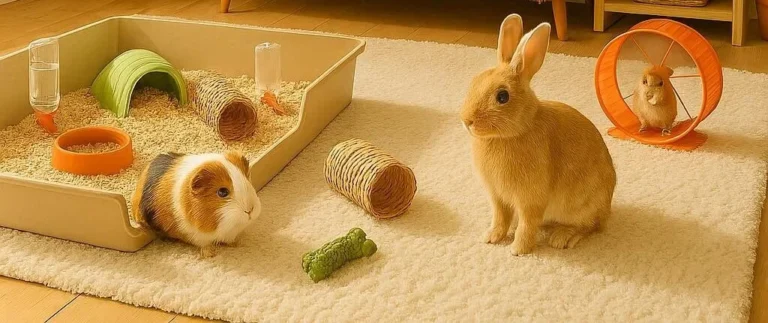
A bored rabbit is more likely to feel lonely. Create a stimulating environment by providing toys, tunnels, and other enrichment activities. Rotate toys regularly to keep your rabbit interested and engaged.
3. Encourage Exploration
Rabbits are natural explorers and love to discover new environments. Provide your rabbit with a safe space to explore, such as a rabbit-proofed room or a secure outdoor enclosure. Exploration can help keep your rabbit mentally stimulated and prevent boredom.
4. Provide Adequate Exercise
Physical activity is crucial for your rabbit’s health and well-being. Ensure that your rabbit has enough space to move around comfortably and engage in regular exercise outside of their enclosure. A lack of exercise can lead to boredom and loneliness.
5. Monitor Your Rabbit’s Behavior
Keep an eye on your rabbit’s behavior and watch for any signs of loneliness or stress. If you notice any unusual behavior, take steps to address it promptly.
6. Consider Adoption
If you’re unable to spend enough time with your rabbit or provide companionship, consider adopting another rabbit. Rabbits are social animals and thrive in the company of others.
Conclusion
Recognizing whether your rabbit is lonely requires attention to their behavior and overall well-being. By understanding the signs of loneliness and taking steps to provide companionship, stimulation, and a nurturing environment, you can help ensure that your rabbit lives a happy and fulfilling life.
Remember, loneliness in rabbits can lead to serious health issues if left unaddressed. By being proactive and attentive to your rabbit’s needs, you can prevent loneliness and strengthen the bond between you and your beloved pet.