How to Teach Your Bird to Talk: Tips and Tricks
Teaching your feathered friend to talk can seem like a lofty goal, but with patience, consistency, and the right techniques, most parrots and budgies will join the conversation. Below, we combine science‑backed insights with practical tips so you can turn that chirp into a clear, friendly “hello.”
How to Teach Your Bird to Talk: Tips and Tricks
1. Understand Your Bird’s Natural Vocal Ability
- Parrots are vocal learners. Unlike most birds, they see sound as a language to mimic rather than just a warning signal.
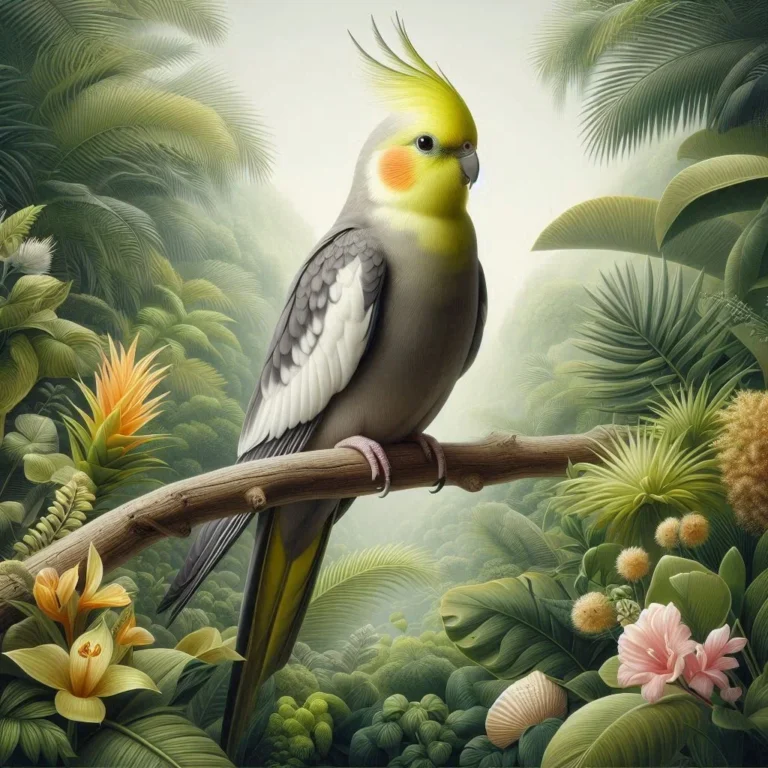
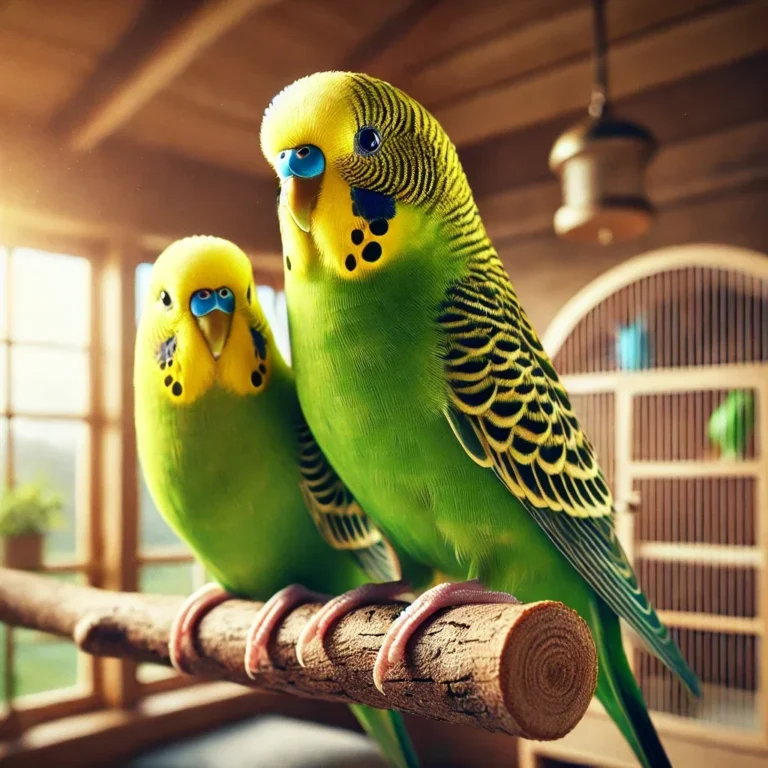
- The parrot family (Psittacidae) includes species that can produce sophisticated speech. Budgies, cockatiels, and African Grey parrots are especially known for their chatter. Cornell Lab of Ornithology notes that the complexity of a bird’s vocal repertoire correlates with brain structure and learning ability.
Knowledge of your bird’s species gives you realistic expectations. A songbird might strike up melodies, while a parrot will copy words and phrases.
2. Create a Positive Audio Environment
| Factor | What to Do | Why It Helps |
|——–|————|————–|
| Background Noise | Keep a quiet, consistent environment during training | Excessive noise can mask or confuse the target sound |
| Repetition | Repeat the target word or phrase 30–50 times each session | Repetition builds memory traces in a bird’s brain |
| Timing | Train when the bird is alert and excited, but not overstimulated | Energy levels affect learning speed |
Research from the University of Lincoln shows that high-frequency sounds resonate better with a bird’s vocal learning circuitry.
3. Use High-Quality Models for Mimicry
- Hum: Parrots often mimic human sets just as they do ambient sounds. The clearer the human model, the easier the bird to replicate. Speak slowly, with a steady pitch.
- Recording: Record your voice in a quiet room and play it back at a moderate volume. Because birds learn from reverberation, a closed‑room recording is usually ideal.
- Playlists: Software like Audacity allows you to trim background noise and even adjust the pitch so that your bird can match the exact sound.
Pro‑Tip
When using pre‑recorded audio, avoid high‑volume blasting. Loud dynamics can damage a bird’s delicate ears.
4. Build a Bond Before You Start Speaking
| Step | About | Benefit |
|——|——-|———|
| Eye Contact | Look your bird in the eye while speaking | Builds trust and focus |
| Positive Reinforcement | Treats (seeds, fruit) or praise after each mimic attempt | Reinforces desired behavior |
| Short Sessions | 5–10 minute sessions, 2–3 times a day | Prevents fatigue and maintains excitement |
The American Veterinary Society of Animal Practice stresses that a strong bond reduces fear and encourages vocal learning.
5. Start with Simple Words and Phrases
- Choose high‑frequency words such as “hello,” “goodbye,” or “birdie.” Short words are easier to replicate.
- Pair the word with a repeated action. Example: “Sss–ss!” while pointing to a favorite toy. Linking sound to action helps contextual learning.
- Make it fun. If you laugh, the bird associates the sound with a positive feeling.
Sample Routine
- Morning: Speak the word “good morning” while feeding.
- Midday: Mimic “what’s that?” when the bird sniffs a new treat.
- Evening: Say “sleepy” before bedtime.
Consistency here is key. Your bird will gradually notice the pattern.
6. Use Mimicry and Repetition Tricks
- Echo Training: After you say a word, let the bird attempt to echo it. If it’s off, politely correct by repeating the word louder.
- Catch Yawn: Mimic a yawn, then wait for a small, quick mimic by the bird. Yawns are a natural travel cue for parrots and can help surface voluntary imitation.
- Record Mirror: Play back an earlier recording of your own voice (the bird’s own words). The forensic sense of hearing triggers higher recall rates.
Common Pitfall
Avoid micromanagement. Over‑correcting a bird’s first few attempts can create frustration. Instead, celebrate small steps like “pss‑sss.”
7. Train in a Dedicated, Well‑Lit Space
Birds respond well to bright, natural light because it mimics daylight cycles, encouraging active learning. Place the bird’s cage in a well‑lit room but ensure a shade for rest. A consistent schedule of Salient Light and Quiet (SLQ) cues helps the bird remain receptive.
8. Keep an Eye on Health and Diet
A bird’s ability to vocalize is tied to overall health:
- Protein: Carnivorous diet enhances feather quality and throat muscles.
- Omega‑3 fatty acids: Found in fish and flaxseed improve nerve transmission.
- Hydration: Fresh water is non‑negotiable; dehydration can dull vocal cords.
- Regular Vet Checks: Conditions like syringomyelia can limit vocal capacity. AVMA advises annual exams.
9. Leverage Sound Technology
- PetSmart’s “Sonic Bird Trainer”: An app designed to help you record and play sounds in a controlled setting.
- Echo Nest Tagger: Automatically tags bird sounds, letting you see how often your bird mimics specific terms.
- Quality Microphone: Investing in a USB microphone ensures crisp audio for modeling.
Using technology bridges the gap between human voice and bird vocal apparatus, giving trainers a measurable feedback loop.
10. Patience, Practice, and Persistence
Vocabulary acquisition in parrots can take months, sometimes years. Think of this as training a speech therapist rather than a quick hack. Dogs learn tricks in a week; birds need consistent practice. Keep the tone upbeat, avoid negative reinforcement, and let the bird explore its own pace.
Quick Recap
- Understand your bird’s species and potential.
- Create an optimal audio environment.
- Use clear human models and high‑quality recordings.
- Build a strong bond through eye contact and treats.
- Start with simple words; step up gradually.
- Train in a bright, consistent space.
- Monitor diet and health closely.
- Incorporate tech for precise training.
- Keep practicing with patience.
11. Common Myths Debunked
| Myth | Reality |
|——|———|
| Birds can only learn 10 words | Amazon parrots have been recorded speaking 90+ words, depending on exposure. |
| Only parrots can talk | Many species, like cockatoos and budgies, can mimic vocal sounds, though less freely. |
| High volume forces learning | Loud, distorted sounds hamper accurate mimicry, causing confusion. |
12. When to Seek Expert Help
If your bird shows no progress after six months of consistent training, consider:
- Veterinary Check‑up: Rule out auditory defects.
- Behaviorist Consultation: A licensed avian behaviorist can refine training protocols.
- Parental Guidance: If you’re a first‑time bird owner, local avian clubs often offer mentoring.
13. Final Thoughts & Call‑to‑Action
Teaching your bird to talk isn’t just a fun trick—it’s an excellent bonding experience that stimulates cognition and social interaction. By setting realistic expectations, maintaining a structured environment, and celebrating every little mimic, you’ll watch your feathered friend’s vocabulary grow. Now, grab your favorite treat, pick a greeting, and start the conversation today!
Ready to make your bird the next neighborhood chatty? Try these techniques, track which phrases stick, and share your progress on your favorite bird‑owner forums. Don’t forget—consistent practice, patience, and heartfelt encouragement are the true key ingredients. Happy talking!