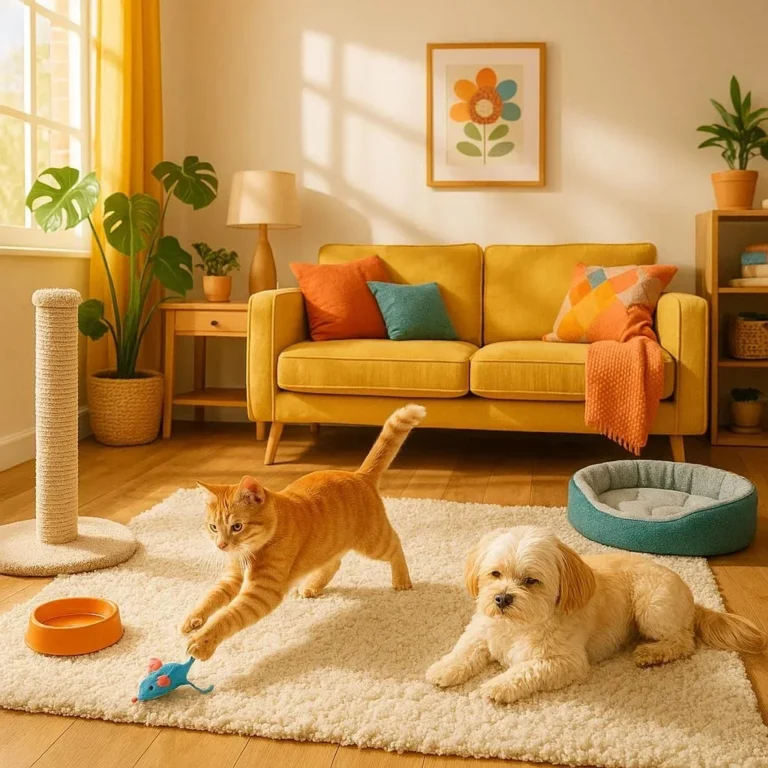
How to Support Your Cat Through the Aging Process
A calm, cozy home and regular vet visits are the foundations of quality life for an aging cat. As your feline companion enters the senior years—usually around 10 to 12 years of age—there are subtle changes that can quickly go unnoticed. From joint stiffness to a “slower” gremlin, understanding these shifts and acting early can make the difference between a frail, strained spend of time and a relaxed, contented cat that still loves to curl up beside you.
Understanding the Aging Process in Cats
Physical Changes
- Joint Stiffness and Pain – Osteoarthritis is common in senior cats, causing reluctance to jump or climb.
- Vision Decline – Cataracts or retina disease can reduce depth perception.
- Hearing Loss – Difficulty hearing high‑frequency sounds may lead to disorientation.
- Dental Issues – Cracked molars and periodontal disease impact eating.
- Weight Changes – Muscle loss can lead to obesity, while loss of appetite may cause under‑nutrition.
Behavioral Shifts
- Altered Sleep Patterns – Older cats may sleep more and have fragmented nighttime activity.
- Increased Sensitivity – Minor environmental changes can provoke stress.
- Reduced Playfulness – Fine motor challenges reduce engagement in toys.
Recognizing these signs early, and confirming them with a professional, sets the stage for proactive care.
Step‑by‑Step Guide to Senior Cat Care
1. Schedule a Comprehensive Veterinary Check‑Up
A vet visit is the most reliable way to evaluate internal health. Discuss:
- Blood work (CBC, chemistry panel) to monitor organ function.
- Urinalysis to check for kidney changes.
- Dental exam and cleaning.
- Screening for common feline diseases (e.g., FIV, FeLV).
The AVMA provides a dedicated resource on senior cat care: AVMA Aging Cat Care.
2. Tailor Nutrition for Older Cats
- High‑Quality Protein – Muscle preservation requires quality protein. Look for brands with real meat as the first ingredient.
- Reduced Fat – A lower-fat diet can help maintain a healthy weight.
- Omega‑3 Fatty Acids – Support joint health and coat shine.
- Fortified Calcium – Prevents bone loss while guarding against excess calcium.
- Digestive Enzymes – Ease the strain of aged stomachs.
A helpful reference on feline nutrition is the Mayo Clinic’s “Nutrition for Cats” section: Mayo Clinic Cat Nutrition.
Feeding Tips
- Offer meals in shallow dishes—sinking bowls require less effort.
- Store food in a cool, dry place to keep nutrients intact.
- Consider wet food once per day to keep hydration high.
3. Modify the Living Space for Comfort
- Soft Bedding – Provide a warm, plush bed in quiet corners.
- Ramps and Stair Lifts – Reduce strain when accessing elevated spaces.
- Low‑Permeability Surfaces – Choose rugs that prevent slipping.
- Essential Lighting – Overhead lights reduce glare; nightlights help with darkness avoidance.
- Clean, Accessible Litter Box – A box with low entry, shallow depth, and litter that is easy to dig.
Resource on feline anxiety: Feline Anxiety on Wikipedia.
4. Encourage Gentle Exercise
- Short Play Sessions – A few minutes of interactive play can keep muscles active.
- Pull Toys – Encourage movement to prevent muscle atrophy.
- Self‑Play Bait – Slow‑release toys engage without further stress.
- Daily Walks – If your cat is indoor‑only, a quiet harness walk in the yard can be refreshing.
Skeletal health advice can be found at AVMA Osteoarthritis Resources.
5. Monitor Symptom Progression
Keep a log of:
- Appetite and grooming frequency.
- Litter box usage patterns.
- Pain indications (e.g., reluctance to jump, vocalization).
- Weight and body condition score (BCS).
Your notebook becomes a vital tool for vet discussions—ever‑changing patterns can signify disease progression or comfort needs.
6. Deliver Consistent Emotional Support
- Routine – Familiar daily schedules reduce anxiety.
- Soft Voice & Touch – Calm petting sessions promote bonding and alleviate stress.
- Pheromone Diffusers – Products like Feliway calm nervousness with synthetic pheromones.
- Companion Options – For solitary cats, a second pet or promoted intro can curb loneliness.
Data on feline socialization: AVMA Ideal Cat Housing.
7. Stay Prepared for Emergencies
- Emergency Kit – Include vet contact, home medication, and identification details.
- Accessible Vet Contact – Quick call for when you notice sudden changes.
- Emergency Transportation – Have a carrier and transportation plan ready for rapid trips.
Guidance on emergency handling is compiled at AVMA Emergency Help.
Frequently Asked Questions
Q1: How often should I check my cat’s weight?
- Weigh the cat every two weeks using a reliable scale and record the measurement.
Q2: Is dental care important for senior cats?
- Absolutely, the risk for periodontal disease rises with age. Regular brushing and occasional professional cleanings are key.
Q3: Can my cat get arthritis medication?
- Yes, joint supplements like glucosamine, chondroitin, and NSAIDs are common. Discuss dosage with your vet.
Q4: When is it time to consider humane euthanasia?
- This is a deeply personal decision, best made in partnership with your vet, based on pain tolerance, quality of life, and medical conditions.
Bottom‑Line Takeaway
Supporting a cat through the aging process is an evolving blend of medical care, environmental adjustments, nutrition, and emotional connection. By staying vigilant, maintaining routine vet visits, and fine‑tuning daily habits, you give your senior feline the best chance of a graceful, joyful twilight. If you notice any sudden changes—decreased appetite, altered litter habits, or visible pain—don’t hesitate to reach out to your veterinarian; early intervention often yields the best outcomes.
Call to Action
- Book a Vet Visit: Schedule a wellness exam if you haven’t already.
- Join Our Community: Share your senior cat care stories or ask questions on our forum.
- Download Our Free Checklist: Keep track of health milestones for easy reference.
Let us help you ensure your feline friend’s golden years are truly golden.