How to Spot Overheating in Small Pets
Did you know that small pets, such as rabbits, guinea pigs, hamsters, and even cats and dogs, can easily overheat? Overheating, or hyperthermia, can lead to serious health issues if not recognized and treated promptly. As a responsible pet owner, it’s crucial to understand how to spot the signs of overheating in small pets and take immediate action to keep them safe and comfortable. In this blog post, we’ll guide you on how to identify the signs of overheating in small pets, the causes, and the steps you can take to prevent it.
Understanding Why Small Pets Overheat
Small pets are more susceptible to overheating than larger animals for several reasons:
- Higher Metabolic Rate: Small pets have a faster metabolism, which means their bodies generate heat more quickly.
- Less Body Surface Area: With a smaller body size, they have less surface area to radiate heat, making it harder to cool down.
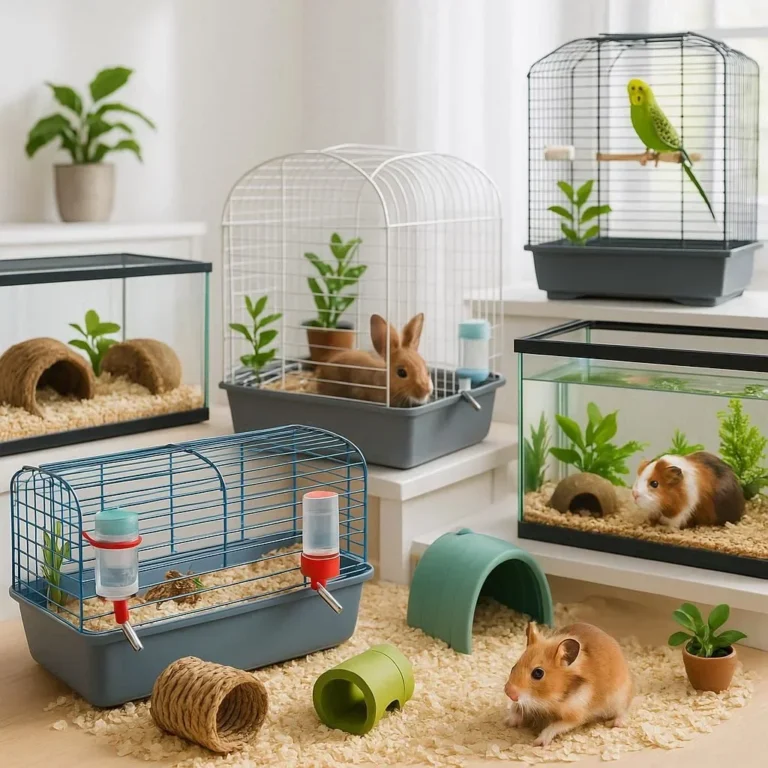
- Environment: Small pets often live in confined spaces, such as cages or enclosures, which can become hot if not properly ventilated.
- Lack of Sweat Glands: Many small pets, like rabbits and guinea pigs, don’t have sweat glands, making it harder for them to regulate their body temperature.
Recognizing the Signs of Overheating
The sooner you recognize the signs of overheating, the better chance you have of helping your pet recover. Here are the common signs to look out for:
1. Panting
If your pet is panting heavily, it’s a clear sign that they are trying to cool down. While panting is more common in dogs, other small pets like rabbits and guinea pigs may also pant when overheated.
2. Increased Saliva Production
Small pets may drool or have wetness around their mouth due to increased saliva production when they’re hot.
3. Red Ears and Faces
Check your pet’s ears and face for redness, which can indicate increased blood flow to the skin’s surface in an attempt to release heat.
4. Lethargy
If your pet is unusually quiet, reluctant to move, or seems disinterested in their surroundings, it could be a sign of overheating.
5. Wetness or Dampness
A wet or damp coat in pets that normally have dry fur can be a sign that they are sweating or trying to cool down.
6. Pale Gums
Check your pet’s gums; if they are pale or discolored, it could indicate heat stress or heatstroke.
7. Rapid Heart Rate
A rapid heart rate is a more severe sign of overheating. You may notice your pet’s chest moving rapidly or feel their heartbeat by gently placing your hand on their chest.
8. Collapse
If your pet collapses or is unable to stand, it’s a critical sign of heatstroke that requires immediate veterinary attention.
Causes of Overheating in Small Pets
Understanding the causes of overheating can help you take preventive measures to keep your pet safe.
1. High Environmental Temperature
The most common cause of overheating in small pets is high environmental temperature. If their living space is too warm, they can quickly overheat.
2. Poor Ventilation
If the air in your pet’s enclosure is stagnant and not circulating properly, it can lead to a buildup of heat, making it difficult for your pet to cool down.
3. Inadequate Shade
If your pet’s enclosure is exposed to direct sunlight without any shade, it can become unbearably hot.
4. Heat Sources
Heat sources like heat lamps, heat mats, or even a sunny windowsill can contribute to overheating if not monitored properly.
5. Obesity
Obesity can make it harder for your pet to regulate their body temperature, increasing the risk of overheating.
6. Medical Conditions
Certain medical conditions, such as heart disease or respiratory problems, can make your pet more susceptible to overheating.
How to Prevent Overheating in Small Pets
Preventing overheating is much easier than treating it. Here are some practical steps you can take to keep your small pet cool and comfortable.
1. Provide a Cool Environment
Ensure your pet’s living space is in a cool, well-ventilated area away from direct sunlight and heat sources. The ideal temperature for most small pets is between 65°F and 75°F (18°C and 24°C).
2. Use Cooling Aids
There are several cooling aids you can use to help keep your pet cool:
- Cold Towels: Place a damp, cool towel in your pet’s enclosure for them to lie on.
- Cooling Mats: There are specifically designed cooling mats for pets that can help regulate their body temperature.
- Ice Packs: Wrap an ice pack in a towel and place it near your pet’s enclosure. Never place an ice pack directly on your pet.
3. Ensure Proper Ventilation
Good airflow is essential to prevent the buildup of heat. Make sure your pet’s enclosure has adequate ventilation to allow hot air to escape and cool air to enter.
4. Provide Plenty of Water
Ensure your pet always has access to fresh, cool water. You can also add a few ice cubes to their water bottle or bowl to help keep it cool.
5. Limit Exercise
Avoid exercising your pet during the hottest parts of the day. If your pet is prone to overheating, consider limiting exercise to early morning or evening when temperatures are cooler.
6. Monitor Your Pet
Keep a close eye on your pet’s behavior and physical condition, especially during hot weather. If you notice any signs of overheating, take immediate action to cool them down.
7. Avoid Overcrowding
If you have multiple pets in the same enclosure, make sure there’s enough space for them to move around and cool down. Overcrowding can lead to increased body heat.
8. Maintain a Healthy Weight
Help your pet maintain a healthy weight through a balanced diet and regular exercise. Obesity can increase the risk of overheating.
9. Provide Shade
If your pet’s enclosure is outdoors or in a sunny area, make sure they have access to shade. You can use a canopy, umbrella, or even a cardboard box to provide shade.
10. Be Aware of Breed-Specific Needs
Some breeds of small pets are more prone to overheating due to their fur or body type. Research your pet’s specific needs to ensure you’re providing the best environment for them.
How to Cool Down an Overheated Pet
If you notice any signs of overheating in your small pet, it’s important to act quickly to help them cool down. Here’s what you can do:
1. Move to a Cooler Location
Immediately move your pet to a cooler, well-ventilated area away from direct sunlight and heat sources.
2. Provide Cool Water
Offer your pet cool water for drinking, or wet their fur with cool water to help lower their body temperature. For pets with thick fur, you may need to wet their fur more thoroughly to help them cool down.
3. Use a Wet Cloth
Place a cool, wet cloth over your pet’s back or wrap them gently in a damp towel to help lower their body temperature.
4. Reduce Heat Sources
Turn off any heat sources, such as heat lamps or heat mats, and ensure your pet’s enclosure is cool.
5. Monitor Their Temperature
Use a thermometer to monitor the temperature in your pet’s enclosure and ensure it remains within a safe range.
6. Seek Veterinary Care
If your pet shows severe signs of overheating, such as collapse, rapid heartbeat, or loss of consciousness, seek immediate veterinary care. Heatstroke can be life-threatening if not treated promptly.
First Aid for Heatstroke in Small Pets
If your pet is experiencing heatstroke, every minute counts. Here’s a step-by-step guide to provide first aid:
Step 1: Stay Calm
It’s important to remain calm to handle the situation effectively.
Step 2: Move to a Cool Location
Immediately move your pet to a cool, well-ventilated area away from direct sunlight and heat sources.
Step 3: Assess the Situation
Check your pet’s temperature if possible. The normal body temperature for most small pets is between 98°F and 104°F (36°C and 40°C). If their temperature is above this range, they may be overheating.
Step 4: Provide Cool Water
Offer your pet cool water for drinking. You can also dampen their fur with cool water to help lower their body temperature. For pets with thick fur, you may need to wet their fur more thoroughly.
Step 5: Use a Wet Cloth
Place a cool, wet cloth over your pet’s back or wrap them gently in a damp towel to help lower their body temperature.
Step 6: Reduce Heat Sources
Turn off any heat sources, such as heat lamps or heat mats, and ensure your pet’s enclosure is cool.
Step 7: Monitor Their Temperature
Use a thermometer to monitor the temperature in your pet’s enclosure and ensure it remains within a safe range.
Step 8: Seek Veterinary Care
If your pet shows severe signs of overheating, such as collapse, rapid heartbeat, or loss of consciousness, seek immediate veterinary care. Heatstroke can be life-threatening if not treated promptly.
Conclusion
Overheating can be a serious issue for small pets, but by being aware of the signs and taking preventive measures, you can help keep your furry friend safe and healthy. Remember to always monitor your pet’s behavior and environment, especially during hot weather, and take immediate action if you notice any signs of overheating. With the right care and attention, you can ensure your small pet stays cool and comfortable all year round.
By following the tips outlined in this guide, you can help protect your small pet from the dangers of overheating and ensure they lead a happy, healthy life. Remember, prevention is key, so always be proactive in creating a safe and comfortable environment for your beloved pet.