How to Set Up a Wire-Free Playpen for Small Pets
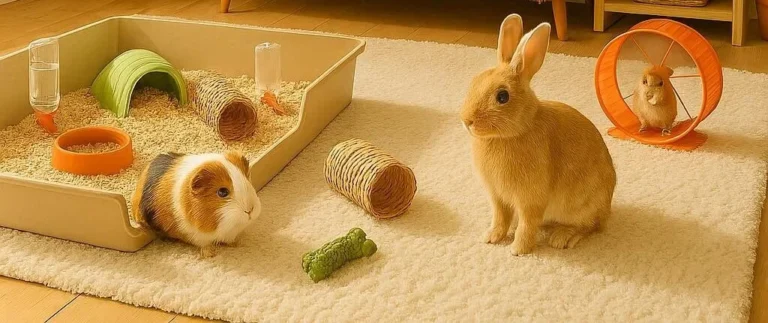
Picture your little rabbit hopping around a cage that’s as safe as a cozy nest, or your guinea pig exploring a play area free from sharp corners and wires. A carefully designed wire‑free playpen can provide your small pet with supervised freedom while keeping your home clutter‑free and your pet’s safety guaranteed.
Why Wire‑Free Playpens Are a Game Changer
Wire‑free playpens combine the best of both worlds: the flexibility of an open enclosure and the safety of a closed space. They eliminate the risk of pets getting chewed on, tangled in, or stuck in wires—an issue that can cause injury or stress. In addition, wire‑free designs typically use stronger, more durable materials that are easier to clean and more comfortable for animals with sensitive skin.
Key Benefits
- Enhanced safety: No sharp wires or loose components
- Comfort: Soft, breathable fabrics or seamless panels reduce stress
- Durability: Materials such as PVC, heavy‑duty plastic, or woven mesh stand up to gnawing
- Aesthetics and customization: Choose colors, textures, and sizes that fit your décor
- Ease of maintenance: Flat surfaces can be wiped or vacuumed quickly
- Versatility: Use for temporary training, enrichment, or extended playtime
Choosing the Right Material for Your Wire‑Free Playpen
Selecting the right material depends on the species, size, and behavioral traits of your pet. Below are popular options:
- PVC panels – Durable, non‑porous, and inexpensive, suitable for rabbits and guinea pigs
- Heavy‑duty plastic sheets – Strong and lightweight; perfect for active chewers
- Soft fabric – Ideal for pets that dislike hard surfaces; often used as a floor mat
- Mesh flooring – Excellent for rabbits, providing ventilation while keeping droppings contained
Researching each material’s compatibility with your pet’s physiology is crucial. For instance, rabbits are prone to dental issues, so a soft, chew‑resistant material helps mitigate problems. Rabbit care articles from PetMD offer deeper insights into appropriate flooring.
Design and Build Your Wire‑Free Playpen
Building a wire‑free playpen is surprisingly manageable with some basic tools and a clear design plan. Follow these steps to craft a safe and engaging enclosure.
1. Planning the Layout
- Measure the space: Determine the dimensions of the area where the playpen will sit, taking into account your pet’s jump/escape tendencies
- Set a height: For rats or gerbils, a 12–18″ high wall is typically enough; rabbits may need up to 24″ to prevent leaps
- Decide on partitions: Small pets like guinea pigs appreciate separate compartments, so consider removable sections
2. Tools and Supplies
- 4–6 pieces of sturdy PVC or heavy‑duty plastic panels (4 ft x 4 ft)
- 2‑inch hinge screws or lockable brackets
- C‑channel or corner brackets for structural integrity
- Fabric or mesh for flooring and padding
- Drill, screwdriver, and level
- Measuring tape and marker
- Optional: paint or vinyl wrap for custom décor
3. Step‑by‑Step Assembly
- Lay out the panels on a flat surface to visualize the enclosure shape
- Attach corner brackets along the edges; ensure each joint is tight to prevent wobbling
- Secure panels with screws, using a drill for consistency
- Install flooring: Place a mesh layer on the bottom for drainage, then a soft fabric mat on top for comfort
- Add partition panels or removable dividers if desired
- Finish with paint or decorative paper to match your style, ensuring the finish is non‑toxic and pet‑safe
The resulting structure offers a wire‑free, solid barrier that guards against accidental injury or escapes.
Safety Tips and Environmental Considerations
Safety must remain a top priority. Even with a solid enclosure, various hazards can arise.
Preventing Escape
- Check for gaps: Ensure no spaces larger than ½ inch exist between walls
- Secure doors: Use locking mechanisms that are pet‑proof but owner‑friendly
- Test the height: Verify that the walls are taller than your pet can jump or claw
Reducing Harmful Exposure
- Avoid toxic paints: Use food‑grade, pet‑safe paint or no paint at all
- Keep the playpen off floorboards: Elevated playpens reduce dust and improve hygiene
- Ventilation: Mesh panels should allow airflow, especially for species prone to overheating
Environmental Hygiene
- Easy cleaning: Flat surfaces are quick to wipe; mesh flooring can be vacuumed or rinsed
- Regular inspection: Check for frayed edges or broken panels; replace as soon as possible
- Use bedding: Soft fabric mats double as bedding, creating a restful environment
The Animal Welfare Canada guidelines emphasize the importance of maintaining a safe play environment for small pets, recommending consistent cleaning and material safety standards.
Maintenance & Cleaning
Keeping the playpen clean protects your pet’s health. A simple weekly routine is often sufficient:
- Dispose of droppings: Remove immediately to prevent bacteria buildup
- Wipe surfaces: Use a mild, pet‑safe cleanser and a damp cloth
- Inspect flooring: Replace shredded fabric or damaged mesh promptly
- Check structural parts: Tighten screws and brackets, especially after heavy use
For a deeper dive into cleaning protocols for rabbit enclosures, consult the recent studies published by the American Kennel Club on hygiene and disease prevention.
Frequently Asked Questions
Q: Can I use a standard pet crate as a wire‑free playpen?
A: A standard crate usually has interior wire bars; converting it to a wire‑free version requires removing these bars and ensuring walls are seamless.
Q: Which material is best for aging rabbits?
A: Soft, chew‑resistant fabric on a durable frame reduces joint strain and keeps dental health in check.
Q: How often should I replace a mesh floor?
A: Inspect monthly; replace if the mesh is tangled, shredded, or has gaps that could trap droppings.
Conclusion & Call to Action
A wire‑free playpen is more than just a piece of furniture—it’s an investment in your small pet’s safety, joy, and well‑being. By selecting appropriate materials, designing thoughtfully, and maintaining diligently, you can create an environment where your rabbit, guinea pig, or hamster can explore, exercise, and rest without worry.