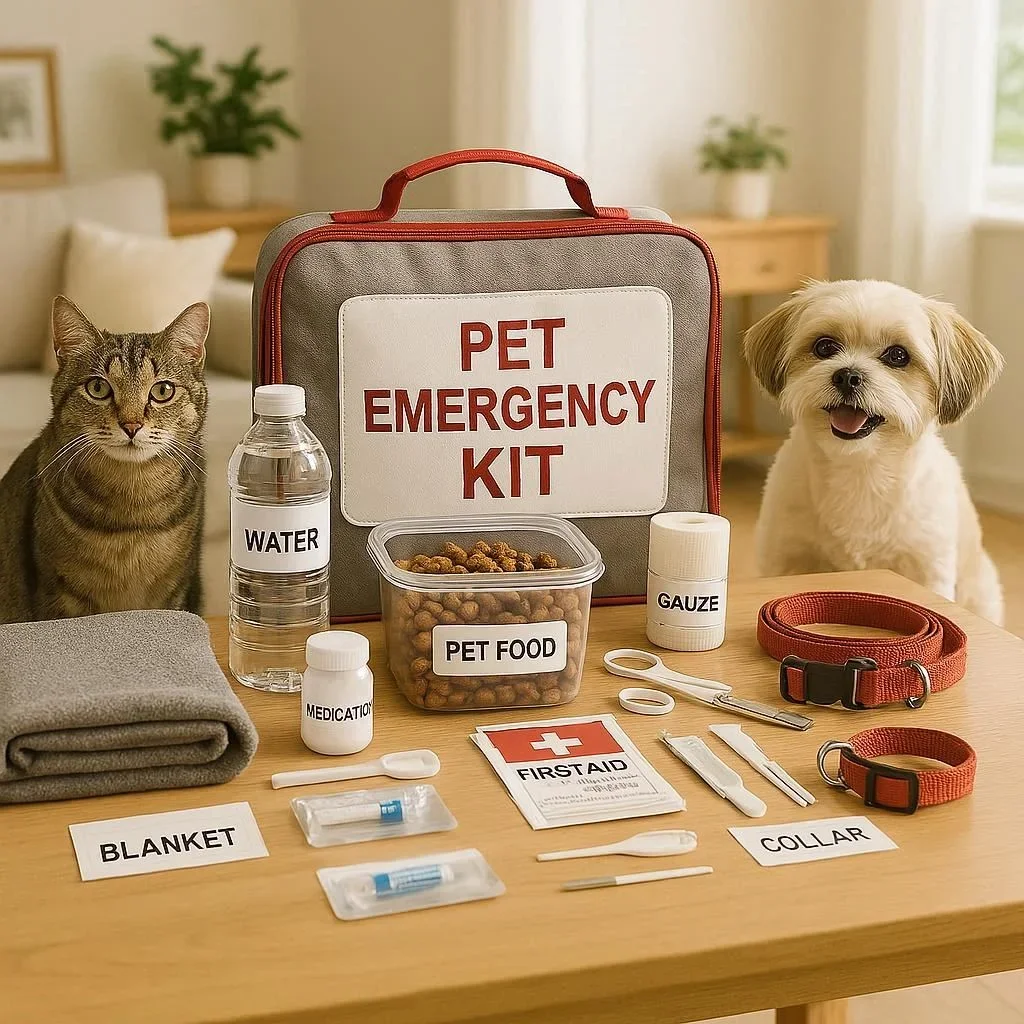
How to Prepare a Pet Emergency Kit for Any Situation
When it comes to our beloved pets, we want to ensure their safety and well-being no matter what life throws our way. Whether it’s a natural disaster, an unexpected accident, or a sudden illness, being prepared with a pet emergency kit can make all the difference. In this article, we’ll guide you through the process of creating a comprehensive pet emergency kit that will help you and your furry friend stay safe in any situation.
Why You Need a Pet Emergency Kit
Emergencies can happen at any time, and they often come without warning. For pet owners, this can be especially challenging, as pets rely entirely on their owners for care and protection. A pet emergency kit is designed to provide everything your pet might need during a crisis, ensuring that you’re prepared to keep them safe, comfortable, and healthy until the situation is resolved.
Essential Items for Your Pet Emergency Kit
A well-stocked pet emergency kit should include a variety of supplies that cater to your pet’s basic needs, as well as any special requirements they may have. Here’s a list of the essential items to include:
- Food and Water
In an emergency, access to fresh food and water may be limited. Include a supply of non-perishable pet food that’s enough to last at least five days. Don’t forget a manual can opener if your pet eats canned food. Alongside food, include a five-day supply of fresh water for your pet, as well as a portable water bowl.
- Medications and Medical Supplies
If your pet takes any prescription medications, be sure to include a sufficient supply in your emergency kit. It’s also a good idea to have a list of your pet’s medications, including dosages and administration instructions, in case you need to seek veterinary care. Additionally, include a basic first aid kit tailored to pets, which should include items like bandages, antiseptic wipes, tweezers, and a thermal blanket.
- Identification and Documentation
In the chaos of an emergency, it’s easy for pets to become separated from their owners. Include a copy of your pet’s vaccination records, microchip information, and a recent photo of your pet in the kit. This documentation can help ensure that your pet is properly identified and cared for if you’re not together. You should also include your veterinarian’s contact information and a list of nearby emergency animal hospitals.
- Comfort Items
Emergencies can be stressful for pets, so including a few familiar comfort items can help keep them calm. Consider adding your pet’s favorite toy, blanket, or bed to the kit. You might also include a familiar scent, like a t-shirt you’ve worn, to provide reassurance.
- Collar, Leash, and Harness
A sturdy collar, leash, and harness are essential for keeping your pet secure during an emergency. Make sure the collar has an up-to-date identification tag with your pet’s name and your contact information.
- Crate or Carrier
A crate or carrier can provide a safe space for your pet during an emergency. Choose one that’s large enough for your pet to stand up, turn around, and lie down comfortably. If your pet isn’t already accustomed to being in a crate or carrier, it’s a good idea to acclimate them to it before an emergency arises.
- Sanitation Supplies
Include a supply of pet waste bags, a portable litter box and litter (if applicable), and a small shovel for waste disposal. These items will help maintain hygiene and make it easier to care for your pet in less-than-ideal conditions.
- Flashlight and Extra Batteries
A flashlight can be invaluable during a power outage or if you need to navigate in the dark. Don’t forget to include extra batteries in case the ones in the flashlight run out.
- Multi-Purpose Tool
A multi-purpose tool, such as a Swiss Army knife or Leatherman, can come in handy for a variety of tasks during an emergency.
- Cash and Credit Cards
In an emergency, ATMs and credit card machines may not be operational. Including some cash and a credit card in your pet emergency kit can ensure that you have the funds you need to purchase essential supplies.
Creating Situation-Specific Emergency Kits
While the items listed above form the foundation of a basic pet emergency kit, there are certain situations that may require additional supplies. Here are a few examples of situation-specific items you might want to include:
- Natural Disaster Kit
If you live in an area prone to natural disasters like earthquakes, hurricanes, or floods, you may want to include items that will help you and your pet weather the storm. Consider adding a battery-powered radio, a whistle to signal for help, and a map of the area with emergency shelters marked.
- Travel Emergency Kit
If you frequently travel with your pet, it’s a good idea to keep a smaller version of your emergency kit in your car. This should include a supply of food, water, and any medications your pet might need, as well as a portable bowl, leash, and collar.
- Winter Weather Kit
If you live in an area with cold winters, consider adding some winter-specific items to your pet emergency kit. These might include a warm blanket, a coat or sweater for your pet, and a supply of ice melt to keep walkways clear.
Maintaining Your Pet Emergency Kit
Once you’ve assembled your pet emergency kit, it’s important to regularly check and update the supplies to ensure everything is still usable and not expired. Here are a few tips for maintaining your kit:
- Check Expiration Dates
Make sure to check the expiration dates on any food, medications, and other perishable items in your kit. Replace anything that’s expired or nearing expiration.
- Update Documentation
If your pet’s vaccination records, microchip information, or any other documentation changes, be sure to update the copies in your emergency kit.
- Replenish Supplies
If you use any of the items in your emergency kit, be sure to replenish them as soon as possible. This will ensure that your kit is always fully stocked and ready for use.
- Inspect Equipment
Regularly inspect any equipment in your kit, such as the crate, leash, and food bowls, to ensure they’re in good condition. Replace any items that are damaged or showing signs of wear.
Conclusion
Preparing a pet emergency kit may seem like a daunting task, but with a little planning and organization, you can create a comprehensive kit that will help keep your pet safe in any situation. Remember to regularly check and update your kit to ensure it remains effective, and consider any situation-specific items that might be relevant to your lifestyle and location. By taking these steps, you can give yourself and your pet the best possible chance of staying safe and healthy during an emergency.
With a little preparation and foresight, you can ensure that your furry friend is always protected, no matter what life throws your way.