How to Manage Shedding in Short and Long-Haired Cats
Shedding is a natural process for cats, but it can become a challenge for many pet owners. Whether you have a short-haired or long-haired cat, managing shedding requires the right techniques, tools, and care routines. In this guide, we’ll explore how to effectively manage shedding in both short and long-haired cats, ensuring their coats remain healthy and your home stays hair-free.
Why Do Cats Shed?
Before diving into solutions, it’s important to understand why cats shed. Shedding is a natural process where cats lose old or damaged hair, making way for new growth. This process is influenced by hormones and environmental factors, such as daylight hours and temperature changes. Cats typically shed more during spring and fall as they adjust their coats to the changing seasons.
Differences in Shedding Between Short and Long-Haired Cats
While all cats shed, the process differs between short and long-haired breeds due to their coat types:
Short-Haired Cats
- Short-haired cats have a smoother, denser coat that sheds less visibly.
- They shed throughout the year but may experience heavier shedding during seasonal changes.
- Their shedding is often less noticeable but can still lead to hair on clothes and furniture.
Long-Haired Cats
- Long-haired cats have a double coat, consisting of a thick undercoat and a longer topcoat.
- They shed heavily, especially during shedding season, which can lead to hairballs and matting if not properly groomed.
- Regular grooming is essential to prevent hair from matting and tangling.
Tools and Techniques for Managing Shedding
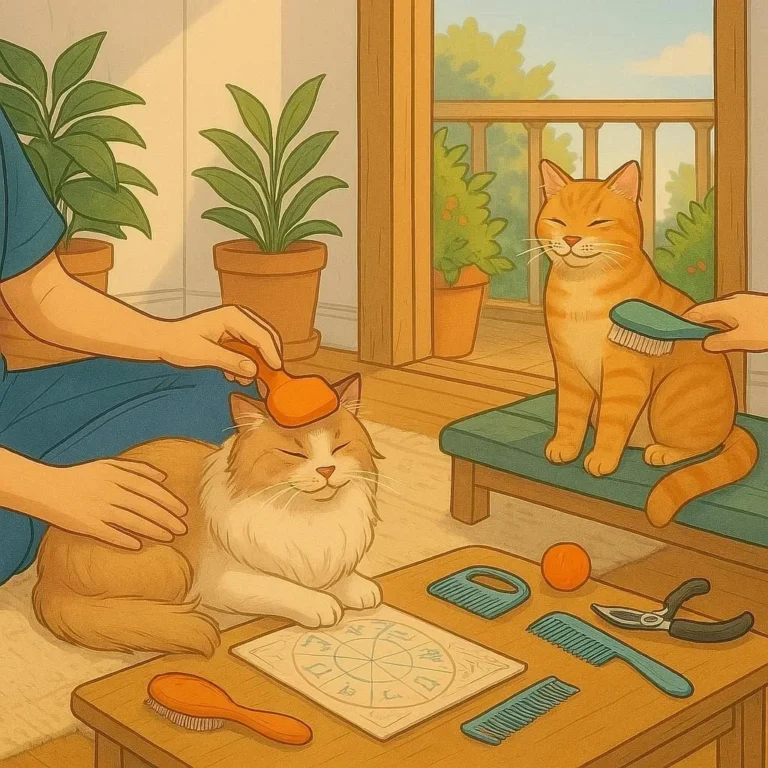
The right tools and techniques can make a significant difference in managing shedding, regardless of your cat’s coat type. Here are some essential tools and methods to consider:[image: Cat shedding tools]
1. Brushes
- Slicker Brushes: Ideal for long-haired cats, these brushes are designed to remove tangles and mats, reducing shedding.
- Pin Brushes: Suitable for short-haired cats, these brushes have long bristles that gently remove loose hair.
- Grooming Gloves: Gentle on your cat’s skin, these gloves are great for short-haired cats and can be used daily.
2. Deshedding Tools
- Furminator: A popular tool designed to reduce shedding by removing the undercoat. It’s effective for both short and long-haired cats but should be used carefully to avoid skin irritation.
- Shedding Rakes: These are particularly useful for long-haired cats, helping to remove loose hair and prevent matting.
3. Bathing
- Bathing your cat can help reduce shedding, especially during peak shedding seasons. Use a gentle shampoo suitable for your cat’s coat type.
- Over-bathing can strip your cat’s coat of natural oils, leading to dry skin and potentially more shedding. Limit baths to once every few months unless necessary.
The Role of Diet in Managing Shedding
A healthy diet plays a crucial role in maintaining your cat’s coat and reducing shedding. Ensure your cat is receiving the following nutrients:
1. Omega-3 Fatty Acids
- Found in fish oils, these acids promote healthy skin and coat, reducing shedding.
- Look for cat foods rich in omega-3s or consider adding a fish oil supplement after consulting your vet.
2. Protein-Rich Foods
- Cats are obligate carnivores and require a diet high in quality protein to maintain their coat health.
- Choose cat foods with whole meat sources as the primary ingredient.
3. Vitamins and Minerals
- Vitamins A and E, along with minerals like zinc, are essential for skin and coat health.
- A balanced diet that meets your cat’s nutritional needs will help reduce excessive shedding.
Creating a Grooming Routine
A consistent grooming routine is key to managing shedding. Here’s how to structure your routine:
1. Short-Haired Cats
- Frequency: Groom 2-3 times a week.
- Method: Use a grooming glove or pin brush to remove loose hair and distribute skin oils.
- Tips: Focus on areas where shedding is heaviest, such as the back and sides.
2. Long-Haired Cats
- Frequency: Groom daily, especially during shedding season.
- Method: Use a slicker brush or shedding rake to remove loose hair and prevent matting.
- Tips: Be gentle to avoid pulling on mats, and consider using a detangling spray if necessary.
Additional Tips for Managing Shedding
1. Use a Humidifier
- Dry air can exacerbate shedding by causing dry skin and brittle hair. Using a humidifier in your home can help keep your cat’s skin and coat healthy.
2. Provide Regular Veterinary Care
- Excessive shedding could be a sign of an underlying health issue, such as allergies, parasites, or hormonal imbalances. Consult your vet if you notice unusual shedding or other symptoms.
3. Consider Professional Grooming
- For long-haired cats, professional grooming sessions during shedding season can help manage hair and prevent matting.
Conclusion
Managing shedding in short and long-haired cats requires patience, the right tools, and a consistent routine. By understanding your cat’s specific needs, providing a healthy diet, and using effective grooming techniques, you can reduce shedding and keep their coat looking its best. Remember, every cat is different, so it’s important to tailor your approach based on your cat’s individual needs and preferences.
If you have further questions or need personalized advice, consult with your veterinarian or a professional groomer to ensure your cat’s coat stays healthy and shiny year-round.