How to Keep Pet Spaces Fresh and Odor‑Free
Pet owners know that sharing a home with furry friends brings immense joy, but it also comes with some challenges—like keeping pet spaces fresh and odor-free. Whether it’s a lingering dog smell, cat litter odors, or moisture from accidents, maintaining a clean and pleasant environment can feel like a constant battle. The good news is that with the right strategies, you can create a fresh, welcoming space for both you and your pets.
In this comprehensive guide, we’ll explore practical tips and tricks on how to keep pet spaces fresh and odor-free. From daily cleaning routines to smart product choices, we’ve got you covered.
1. Create a Cleaning Routine
The key to keeping pet spaces fresh is consistency. Pets, especially dogs and cats, can shed, drool, or have accidents, which can quickly lead to odors. Establishing a regular cleaning routine helps prevent smells from building up. Here’s how you can structure your cleaning schedule:
Daily Cleaning
- Vacuum or Sweep: Use a pet-hair-specific vacuum cleaner to remove loose fur, dander, and dirt from furniture, carpets, and floors. For hardwood or tile floors, a damp mop can help eliminate odors and bacteria.
- Wipe Down Surfaces: Use pet-safe cleaning wipes to clean surfaces your pet comes into contact with, such as food and water bowls, toys, and crates.
- Empty Litter Boxes: Scoop out solid waste daily and change the litter completely every 7–10 days. Consider using an odor-controlling litter to minimize smells.
- Clean Accidents Immediately: If your pet has an accident, clean it up right away. Use an enzyme-based cleaner to break down organic matter and eliminate lingering smells.
Weekly Deep Cleaning
- Bathe Your Pet: Regular grooming not only keeps your pet clean but also reduces shedding and dander, which contribute to odors.
- Wash Bedding: Wash your pet’s bed, blankets, and toys in hot water with a mild detergent. Adding a 1/2 cup of white vinegar to the wash cycle can help neutralize odors.
- Disinfect Crate or Kennel: Scrub your pet’s crate or kennel with a pet-safe disinfectant to remove dirt and bacteria.
2. Use the Right Cleaning Products
Not all cleaning products are created equal, especially when it comes to pet spaces. Some chemicals can be harmful to your pets, while others may not effectively eliminate odors. Here are some tips for choosing the right cleaning products:
Enzyme-Based Cleaners
Enzyme-based cleaners are a must-have for pet owners. These cleaners contain natural enzymes that break down organic matter like urine, feces, and vomit, eliminating the source of odors rather than just masking them. They’re also safe for pets and can be used on a variety of surfaces, including carpets, hardwood, and fabric.
Natural Cleaning Solutions
If you prefer to avoid harsh chemicals, there are several natural cleaning solutions that can help keep pet spaces fresh. Some effective options include:
- White Vinegar: Mix equal parts water and white vinegar in a spray bottle. This solution is great for disinfecting surfaces and neutralizing odors.
- Baking Soda: Sprinkle baking soda liberally on carpets, upholstery, and pet beds. Let it sit for 15–30 minutes before vacuuming to absorb odors.
- Essential Oils: Certain essential oils, such as lavender and tea tree oil, have natural deodorizing properties. However, always dilute them with water and test on a small area first to ensure your pet isn’t sensitive to them.
3. Air Out Pet Spaces
Fresh air is one of the best tools for eliminating odors. If possible, open windows or use fans to circulate air in areas where your pet spends time. This is especially important in rooms with carpeting or upholstered furniture, as these materials can trap odors.
Use an Air Purifier
An air purifier can help remove pet dander, dust, and odors from the air, creating a fresher, cleaner environment. Look for a purifier with a HEPA filter, as these are highly effective at capturing small particles and allergens.
4. Declutter and Organize
Cluttered spaces can quickly become smelly, especially when pets are involved. Keeping your pet’s area organized and clutter-free can help reduce odors and make cleaning easier. Here’s how you can do it:
Keep Toys and Accessories Organized
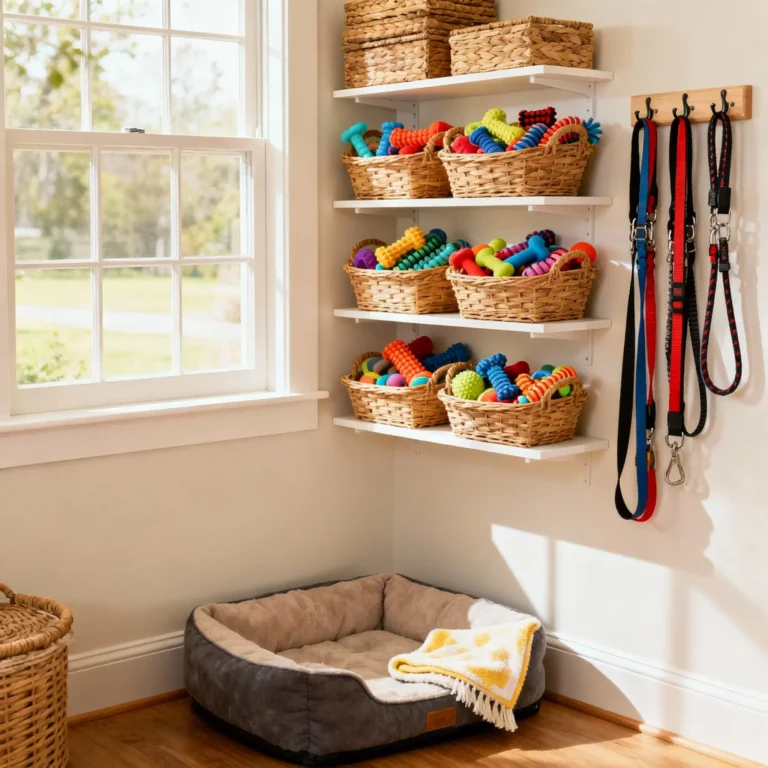
- Store your pet’s toys, treats, and accessories in a designated area, such as a basket, bin, or cabinet.
- Rotate toys regularly to prevent them from becoming soiled or smelly.
Store Food and Treats Properly
- Keep pet food in an airtight container to prevent it from attracting pests or developing a stale smell.
- Store treats in a cool, dry place to keep them fresh.
5. Neutralize Odors Naturally
In addition to cleaning, there are several natural ways to neutralize odors in pet spaces. These methods are safe, effective, and budget-friendly:
Place an Open Box of Baking Soda
Baking soda is a natural odor absorber. Place an open box in areas where odors are a problem, such as near litter boxes or in pet crates. Replace the baking soda every 1–2 months or as needed.
Use Activated Charcoal
Activated charcoal is another natural odor absorber. Place a small bag of activated charcoal in pet areas to neutralize smells. You can also add it to your vacuum cleaner bag or filter for extra odor-fighting power.
Add Fresh Smells Safely
While it’s important to eliminate odors, adding fresh smells can make your home feel cleaner and more inviting. However, be cautious when using air fresheners or scented candles, as some can be harmful to pets. Instead, opt for pet-safe options like essential oil diffusers or open bowls of cinnamon sticks or citrus peels.
6. Deep Clean High-Traffic Areas
High-traffic areas, such as pet beds, crates, and feeding stations, can harbor dirt, bacteria, and odors. Deep cleaning these areas regularly is essential for keeping your home fresh. Here’s how you can do it:
Steam Clean Carpets and Upholstery
Steam cleaning is an effective way to deep clean carpets and upholstered furniture. The heat from the steam kills bacteria and loosens embedded dirt and dander, while the cleaning solution helps eliminate odors.
Disinfect Food and Water Bowls
Pet food and water bowls can become breeding grounds for bacteria. Wash them daily with hot water and mild dish soap, and disinfect them weekly with a pet-safe disinfectant.
7. Maintain Your Pet’s Health
Sometimes, odors can be a sign of an underlying health issue. If your pet is experiencing skin infections, gastrointestinal issues, or other health problems, it can lead to unpleasant smells. Regular veterinary check-ups and proper grooming can help keep your pet healthy and reduce odor-causing issues.
Groom Your Pet Regularly
Regular grooming not only keeps your pet clean but also reduces shedding and dander, which can contribute to odors. Brush your pet daily to remove loose fur, and trim their nails and clean their ears as needed.
Monitor for Health Issues
If you notice persistent bad odors even after cleaning, it could be a sign of a health issue. For example, bad breath (halitosis) in pets can indicate dental problems, while strong-smelling urine or feces can signal gastrointestinal issues. Always consult your veterinarian if you have concerns.
8. Consider Professional Cleaning
If you’re struggling with persistent odors despite your best efforts, it may be time to call in a professional. Many carpet and upholstery cleaning companies offer pet-specific cleaning services that can deep clean and sanitize surfaces, eliminating embedded dirt, dander, and odors.
Final Thoughts
Keeping pet spaces fresh and odor-free requires a combination of consistent cleaning, smart product choices, and a few natural tricks. By establishing a routine, using the right cleaning tools, and staying proactive, you can create a clean, comfortable environment for both you and your pets. Remember, a fresh home is not only more enjoyable for you, but it’s also healthier for your furry friends.
With these tips, you’ll be well on your way to banishing pet odors for good. Happy cleaning and enjoy the snuggles with your beloved pets!