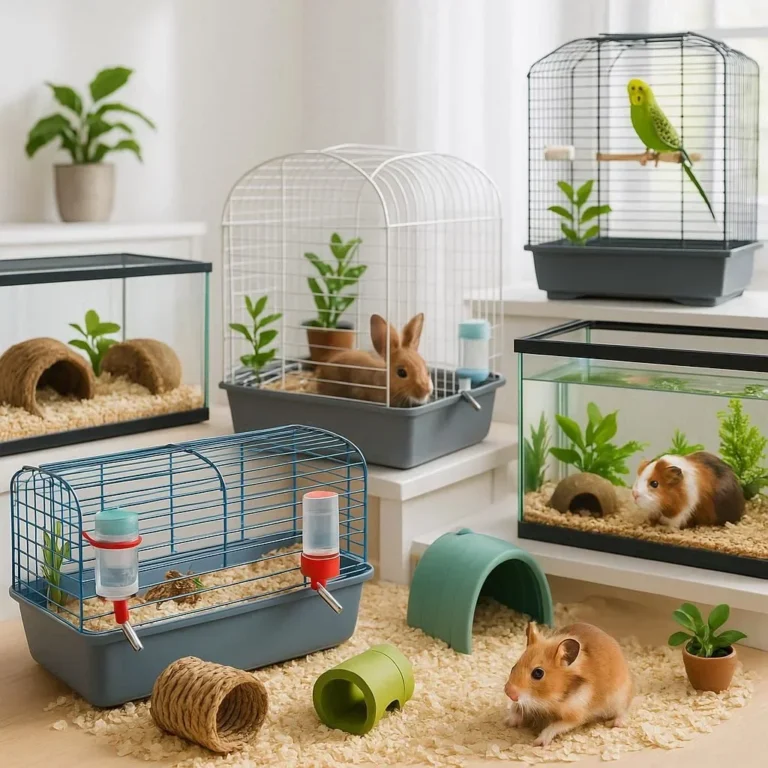
How to Keep Multiple Pets Peacefully Together
Are you considering bringing home another furry friend to join your existing pets? Or maybe you’re already juggling a multi-pet household and looking for ways to maintain harmony? Introducing and managing multiple pets under one roof can be a challenging task, especially if they come from different species, breeds, or personalities. However, with patience, proper planning, and consistent effort, you can create a peaceful and loving environment where all your pets coexist happily.
In this blog post, we’ll explore practical tips and strategies on how to keep multiple pets peacefully together. Whether you’re a seasoned pet owner or a first-time multi-pet parent, these insights will help you build a harmonious household where your pets can thrive together.
1. Start with Proper Introduction
One of the most critical steps in maintaining peace among multiple pets is how you introduce them to each other. A rushed or poorly handled introduction can lead to stress, fear, or even aggression. To ensure a smooth transition, follow these steps:
- Neutral Territory: Introduce your pets in a neutral territory where none of them feel territorial. For example, if you’re introducing a new dog to a resident cat, do it in a room or area that your cat doesn’t frequent.
- Scent Introduction: Before the face-to-face meeting, allow your pets to become familiar with each other’s scent. Place their bedding or toys near each other’s areas so they can sniff and explore without the pressure of an immediate encounter.
- ** Slow and Controlled Interaction**: Once they seem comfortable with each other’s scent, it’s time for a supervised meeting. Keep the first interaction brief and positive. Reward calm behavior with treats and praise to reinforce good behavior.
- Watch Body Language: Pay close attention to your pets’ body language. If you notice signs of stress, fear, or aggression (such as hissing, growling, raised hackles, or avoiding eye contact), intervene immediately and separate them. It’s better to take it slow than to risk a negative experience.
2. Provide Separate Resources
One of the most common causes of conflict among pets is competition for resources. To prevent this, ensure that each pet has access to their own food, water, litter box, and bedding. This reduces the likelihood of territorial disputes.
- Multiple Feeding Areas: Feed your pets in separate areas of the house to minimize competition. For example, you can place your cat’s food in a quiet corner of the kitchen while your dog eats in the dining area.
- Enough Litter Boxes: If you have multiple cats, ensure there’s one litter box per cat, plus an extra one. Cats are territorial about their litter boxes, and having enough boxes can prevent conflicts.
- Individual Spaces: Provide each pet with their own comfortable space where they can retreat if they feel overwhelmed. For example, a cat tree for your feline friend or a quiet crate for your dog.
3. Establish a Routine
Pets thrive on routine, and having a consistent schedule can help maintain peace in a multi-pet household. A predictable daily routine for feeding, playtime, and sleep helps reduce anxiety and competition.
- Structured Feeding Times: Feed your pets at the same time every day to avoid competition and ensure everyone gets their fair share.
- Scheduled Playtime: Allocate specific times for play with each pet. This ensures that no one feels neglected and prevents jealousy or overcompetition for your attention.
- Quiet Time: Include periods of calm and relaxation in your routine. This allows your pets to unwind and recharge, reducing the likelihood of stress-related behaviors.
4. Train Basic Obedience Commands
Training is essential for maintaining harmony in a multi-pet household. Teaching your pets basic obedience commands can help you manage their behavior and prevent conflicts.
- Separation Command: Teach your pets a “separate” or “leave it” command to intervene when they’re getting too competitive or aggressive.
- Calm Walking: If you have dogs, teach them to walk calmly on a leash without pulling or barking at other pets.
- Quiet Command: Train your pets to remain quiet on command, especially if they’re prone to barking or meowing excessively when they see another pet.
5. Supervise Interactions
Even after a successful introduction, it’s important to supervise interactions between your pets, especially in the early days. Always be present during feeding time, playtime, or when they’re sharing the same space.
- Look for Signs of Tension: Watch for subtle signs of tension, such as raised hackles, flattened ears, or avoidance behaviors. If you notice any of these, it’s best to step in and separate them before things escalate.
- Positive Reinforcement: Reward calm and friendly behavior with treats, praise, or affection. Positive reinforcement encourages your pets to associate each other’s presence with positive outcomes.
- Plan for When You’re Away: If you have to leave your pets alone, ensure they’re in a safe and secure environment. Consider using baby gates or separated areas to keep them apart while you’re away.
6. Provide Adequate Attention and Affection
Jealousy is a natural emotion in pets, especially when they feel they’re competing for your attention. To prevent jealousy, make sure each pet gets individualized attention and affection.
- One-on-One Time: Spend quality time with each pet individually, doing activities they enjoy. For example, play fetch with your dog or groom your cat.
- Group Bonding: Also, engage in activities that involve all your pets together, such as going for a walk with your dog while your cat explores nearby.
- Avoid Favoritism: Treat all your pets fairly and avoid showing favoritism. Even if one pet is more affectionate or easier to care for, it’s important to shower attention on all of them equally.
7. Manage Resource Competition
As mentioned earlier, competition for resources is a common issue in multi-pet households. To minimize this, ensure that each pet has access to their own resources without feeling the need to compete.
- Separate Food Stations: Set up separate feeding stations for each pet, making sure they’re far apart from each other.
- Enough Toys: Provide an abundance of toys so that no pet feels the need to fight over a particular item. Rotate toys regularly to keep things fresh and interesting.
- Space Management: Ensure there’s enough space for all your pets to move around comfortably without feeling crowded or territorial.
8. Consider the Needs of Each Pet
Every pet is unique, with its own needs, personality, and preferences. To maintain peace in your multi-pet household, it’s crucial to consider each pet’s individual needs.
- Age and Health: Older pets may need more rest and less disturbance, while younger pets may require more energy and stimulation. Ensure that each pet’s needs are met based on their age and health.
- Breed-Specific Traits: Different breeds have natural tendencies that may require special handling. For example, high-energy breeds like Border Collies may need more exercise, while more independent breeds like Siamese cats may prefer quieter environments.
- Grooming Needs: Some pets require more grooming than others. Regular grooming sessions can help reduce stress and keep your pets comfortable and clean.
9. Create a Calm Environment
A calm and stress-free environment is essential for maintaining harmony among multiple pets. To create a peaceful living space, consider the following tips:
- Minimize Noise: Loud noises can stress pets and lead to anxiety or aggression. Play calming music or use white noise machines to create a soothing atmosphere.
- Calming Aids: Use pheromone diffusers or calming treats to help reduce stress and anxiety among your pets. Products like Feliway for cats or Adaptil for dogs can be particularly effective.
- Organized Space: Keep your home tidy and organized to reduce clutter and prevent pets from feeling overwhelmed. A clean and orderly space can promote a sense of calm.
10. Be Patient and Consistent
Building a harmonious multi-pet household doesn’t happen overnight. It requires patience, consistency, and a willingness to adapt as needed. While some pets may take to each other immediately, others may need more time to adjust.
- Celebrate Small Wins: Acknowledge and celebrate small victories, even if it’s just a calm moment between your pets. Positive reinforcement can go a long way in building a peaceful environment.
- Stay Calm and Confident: Pets can sense your emotions, so it’s important to remain calm and confident, especially during challenging moments. Your energy can help set the tone for your pets’ behavior.
- Be Flexible: Every household is different, and what works for one family may not work for another. Be open to trying different strategies until you find what works best for your pets.
When to Seek Professional Help
While most multi-pet households can achieve harmony with the right approach, there may be situations where professional help is necessary. If you notice persistent aggression, fear, or stress among your pets despite your best efforts, consult a professional animal behaviorist or trainer for guidance.
- Aggressive Behavior: If one or more pets consistently exhibit aggressive behavior toward others, it’s important to address the issue with the help of a professional. Ignoring it could lead to more serious problems down the line.
- Separation Anxiety: If your pets exhibit separation anxiety or distress when left alone, a professional can help you develop strategies to ease their anxiety and improve their well-being.
- Complex Households: If you have a complex multi-pet household with multiple species or challenging personalities, a professional can provide tailored advice and support to help you manage the situation effectively.
Conclusion
Keeping multiple pets peacefully together requires effort, patience, and a commitment to their well-being. By introducing them properly, providing separate resources, establishing a routine, and creating a calm environment, you can build a harmonious household where all your pets can thrive together.
Remember, every pet is unique, so it’s essential to tailor your approach to their individual needs and personalities. With time and consistent effort, you can create a loving and peaceful home where your pets can coexist happily, bringing joy and companionship into your life.
Word Count: 1276