How to Help Your Small Pet Adjust to New Environments
Introduction
Moving a house, traveling with a tiny backpack‑dog, or simply introducing a new routine can feel like a full‑scale operation for a small pet. If you’ve ever watched your hamster twitch its whiskers or your breed‑specific terrier stare out the window at the unfamiliar, you know the challenge all too well. The good news? With the right approach, you can put your small pet at ease in any new environment and keep their stress levels in check.
Understanding the Sensitivities of Small Pets
Small pets—whether it’s a hamster, a chinchilla, a parakeet, or a miniature rabbit—have distinct sensitivities. According to experts at the ASPCA, these animals are highly attuned to changes in scent, sound, and visual cues. Even the slightest alteration can trigger anxiety, leading to overeating, aggression, or self‑harm.
Key Factors That Trigger Stress
- Unfamiliar smells: New scents can overwhelm the olfactory system.
- Sudden noises: Louder sounds or different background audio can be frightening.
- Visual clutter: Our pet’s environment suddenly changes—it feels like a new planet to them.
- Calcium‑deficient diets: Some species must maintain specific mineral ratios or they will stress‑induced physiological problems.
What the Research Says
A 2019 study published in the Journal of Small Animal Practice indicated a 30% drop in sleep quality during the first week after relocation for rodents. Similarly, a 2021 investigation in Veterinary Medicine and Science found that rabbits exhibit a measurable increase in cortisol after unfamiliar exposure. These data underscore the necessity of a thoughtful transition plan.
Step‑by‑Step Transition Plan
Below is a comprehensive, evidence‑based plan you can follow, tailored for the most common small pets: mice, guinea pigs, and small dogs.
1. Prepare a “Comfort Kit” Before the Move
| Item | Why It Helps | Link |
|——|————–|——|
| Familiar bedding (e.g., shredded paper or fleece) | Maintains scent continuity | Small pets |
| Favorite treats or a small portion of pre‑meal | Provides a sense of routine | – |
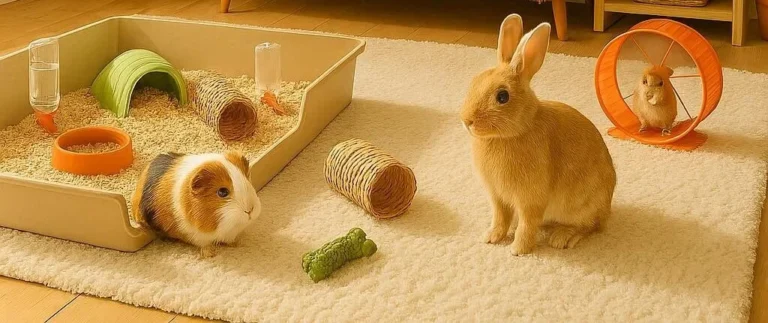
| A chew toy or hide‑out box | Offers a safe space | – |
| A calming clicker or pheromone diffuser | Reduces anxiety | PetMD |
2. Choose a Quiet, Dedicated Space
Select a room that is free of drafts, constant door opening, and loud appliances. The room should also have consistent lighting—ideally natural daylight supplemented by a gentle night‑light for nocturnal species.
3. Minimize Scent Changes
- Use the same brand of litter or bedding as before.
- Place evidence of the old home in the new environment—a favorite blanket or a familiar wooden item.
- Avoid strong cleaning chemicals; opt for pet‑safe sprays.
4. Gradual Exposure to the New Environment
- Day 1–3: Keep the pet in the designated “comfort” area; no external disturbances.
- Day 4–7: Introduce low‑scent objects from the new house (a specific dish or a small blanket).
- Week 2: Allow the pet to wander into a larger part of the new living space while the owner remains nearby, using a calm voice.
All steps above align with guidelines from the AVMA on minimizing behavioral stress during relocations.
Food & Hydration: Maintaining Routine
A consistent diet is essential. Small pets thrive on the familiar taste and texture of their food. Rapid dietary changes can impair digestion, leading to stomach upset. When travelling or moving, use compact food containers that lock to prevent spills and keep the scent of the food alive.
If your pet relies on fresh vegetables or hay, pack them in a plastic container with a small fan for ventilation to prevent mold. When you’re in a new location, return immediately to feed as usual—consistency reassures the animal.
Managing Travel: Tips for Road, Plane, and Air Travel
Road Trains and Bug‑Cans
- Secure the small pet in a carrier with heavy‑duty tethers.
- Place the carrier in a location that allows your pet to see but not crawl onto the floor.
- Snap the doted safety java with a restraint device to acclimatize them.
Flights
- Book a Class 1 cabin with direct flights whenever possible. Longer take‑off and landing times can amplify stress.
- Consider pet relief zones at the airport, where the animal can quickly move to a accustomed setting, not the entire plane.
- A carrier with familiar bedding inside is a must. Layer the carrier with a soft blanket; the scent is a transitional buffer.
Pro‑Tip: Some airlines, like Delta, now offer pet‑friendly service with pre‑booking options; see their guidelines on our Delta airline website for specifics.
Common Behavioral Red Flags & How to Deal With Them
When a small pet is not adjusting, certain behaviors may indicate distress:
- Excessive grooming or scratching: Might reflect irritability or anxiety.
- Cowering or hissing: Signifies threat perception.
- Lack of appetite or water avoidance: Possible stress‑inhibited digestion.
If you notice one or more of these signs, consult a veterinarian. Using the calming pheromone techniques recommended by the PetMD can mitigate short‑term anxiety while you seek professional help.
Building a Strong Bond in the New Space
Interactive Play
Small dogs can benefit from simple tug‑games or treat‑dispensing puzzles right outside the carrier. For rodents, create a “tunnel” made from cardboard that mimics a home‑scented corridor.
Routine Challenges
- Daily check‑in: Touch or speak to the pet each day to establish the human presence as a constant.
- Scheduled playtime: Choose a consistent slot that’s easy to maintain even across time zones.
The Role of Human Voice
A calm, steady voice helps the animal recognize safety. Use a soft tone and avoid loud exclamations. When you introduce a new vocal cue (like a clicker sound), slowly pair it with the pet’s source of comfort.
Resources & Further Reading
- ASPCA – Traveling with pets
- American Veterinary Medical Association – Pet Care Guidelines
- Wikipedia – Overview of small pets
- PetMD – Stress in small pets
Conclusion & Call‑to‑Action
A smooth transition for your small pet isn’t a matter of luck—it’s a science-backed process that blends familiar comfort with careful exposure to new stimuli. By following the steps outlined above, you’ll help weave your pet into your new environment with minimal stress and maximum well‑being. Please share your own relocation stories or questions in the comments below; your experiences could guide other pet owners navigating similar changes.
Ready to put your small pet on the path to stress‑free adjustment? Begin with a comfort kit today, and reserve a few minutes each day to strengthen that bond. Your furry friend will thank you with wagging tails, gentle purrs, and an unshakable sense of belonging.