How to Design a Sun‑Nap Spot That Cats Love
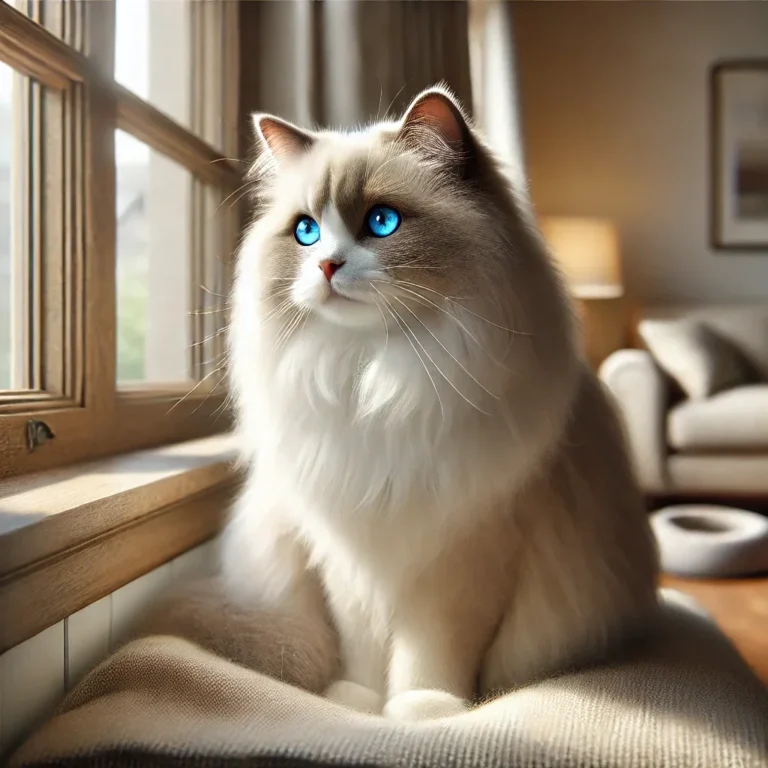
Create a peaceful, sun-soaked retreat for your cat and watch them purr contentedly while basking in warmth. Cats crave light and heat for the same reasons our ancestors sought sunlit caves for protection and comfort. By understanding feline thermoregulation, behavior, and environmental preferences, you can design a sun‑nap haven that boosts your cat’s happiness and health.
Why Sun‑Naps Matter for Cats
Cats are natural sun worshippers. According to the American Association of Feline Practitioners, a cat can spend 12–16 hours a day sleeping, often choosing spots that provide steady warmth and light. Sun exposure offers:
- Thermoregulation: Warmth helps cats maintain body temperature without expending energy.
- Vitamin D Production: Though domestic cats synthesize little vitamin D, brief exposure can support overall wellbeing.
- Mood Enhancement: Sun‑lit areas trigger serotonin release, reducing stress.
Designing an ideal sun‑nap spot balances these benefits with safety and comfort.
Key Design Principles
1. Pick the Right Location
Choose windows that get consistent, filtered sunlight. A 3–4‑hour sun arc is optimal; too bright can be harsh, too dim provides little benefit. Consider:
- North‑facing windows: Gentle, indirect light—good for sensitive cats.
- South or east‑facing: Warmest, usually best for sun lovers.
- Use curtains or blinds: Block direct midday glare while still letting indirect light in.
[^1] The Cornell Feline Hospital recommends a “sunlight window” as a primary cat retreat because it combines natural light with stable temperature.
2. Provide a Comfortable Surface
Cats thrive on soft, supportive materials. Layers add versatility.
- Cushioned platform: Thin quilted pad or down‑filled pillow.
- Soft fabric: Fleece, chenille, or plush blankets.
- Heat‑retaining mat: Use a self‑heating pad for cooler environments.
Avoid slippery surfaces or those that cause pain when pressed.
3. Offer Safe Enclosure Options
Cats love to “nest” while sun‑bathing. An enclosed bed reduces anxiety and drafts.
- Cabinets with openings: The classic “cat house” can be built with an open door or a mesh screen.
- Raised rail beds: These give a sense of ownership and safety.
- Tree‑house style: An indoor climbing frame with a sun‑lit platform.
Make sure any enclosure is sturdy, floor‑mounted, and free of loose parts.
4. Manage Temperature and Humidity
Cats prefer ambient temperatures between 82 °F–87 °F (28 °C–30 °C) for sunning. Use a small radiator or heat lamp only after ensuring:
- Ventilation: Avoid overheating; draft a slight airflow.
- Humidifier: Low humidity helps reduce dry skin.
- Thermostat control: Keep the sun‑spot room at a comfortable baseline.
5. Incorporate Scent and Familiarity
Scent is a powerful cue. Add:
- Your cat’s blanket: Familiar smell increases comfort.
- Scented plant (non‑toxic, like catnip or cat grass)
- A small piece of your shirt that has been in the sun.
6. Use Decorative Elements Wisely
Aesthetics don’t need to overtake function.
- Soft colors: Pastels or earth tones keep the area calming.
- Minimal clutter: Keep toys and accessories away from the sun‑spot.
- Natural materials: Wood or stone floorboards match a cozy vibe.
Expert Tips from Feline Specialists
- Veterinary Advisory: Dr. James V. G. Mears of the College of Veterinary Medicine, Iowa State University, advises ensuring any heat source is safe and never left unattended.
- Behaviorist View: Felina H. K. P. from the University of British Columbia stresses the importance of allowing cats to choose their posture; restrictive beds can cause stress.
- Nutritionist Insight: A balanced diet with adequate protein supports healthy fur—crucial for maintaining a warm, glossy coat.
For detailed health guidelines, see the Cornell University Feline Hospital.
Practical Checklist
- [ ] Select sun‑facing window (south or east).
- [ ] Install curtains/blinds for glare control.
- [ ] Place a cushioned pad and add a blanket.
- [ ] Build a small enclosure with a mesh door.
- [ ] Ensure temperature stays between 82 °F–87 °F.
- [ ] Add familiar scents (your shirt or cat blanket).
- [ ] Check for allergens—keep the area clear of dust and pollen.
According to the University of California, Davis, a clean environment reduces respiratory issues in indoor cats.
Potential Pitfalls to Avoid
- Too much direct light: Can scorch their eyes and dry out skin.
- Excessive heat sources: Risk of burns; use safe, regulated heaters.
- Unstable furniture: Falls can scare or injure your cat.
- Poor ventilation: Leads to stale air and potential respiratory problems.
Always monitor your cat’s reaction to the new spot and adjust as needed.
Extending the Sun‑Nap Experience
- Seasonal adjustments: In winter, increase insulation; in summer, add a fan for airflow.
- Rotate spots: Move the sun‑spot to different windows to vary light.
- Add a window perch: A narrow ledge near the glass can provide a “hanging” view.
- Integrate a small play area: A toy or scratching post nearby encourages activity before or after sunning.
Conclusion and Call to Action
By thoughtfully designing a sun‑nap spot, you give your cat a sanctuary that promotes health, relaxation, and natural instincts. Remember: comfort, temperature, and safety are paramount. Test, tweak, and observe—your cat will thank you with cozy purrs.
Ready to create the ultimate sun‑spot? Share your design ideas, photos, or ask questions in the comments below! Together, we can help our feline friends bask in the best light possible.