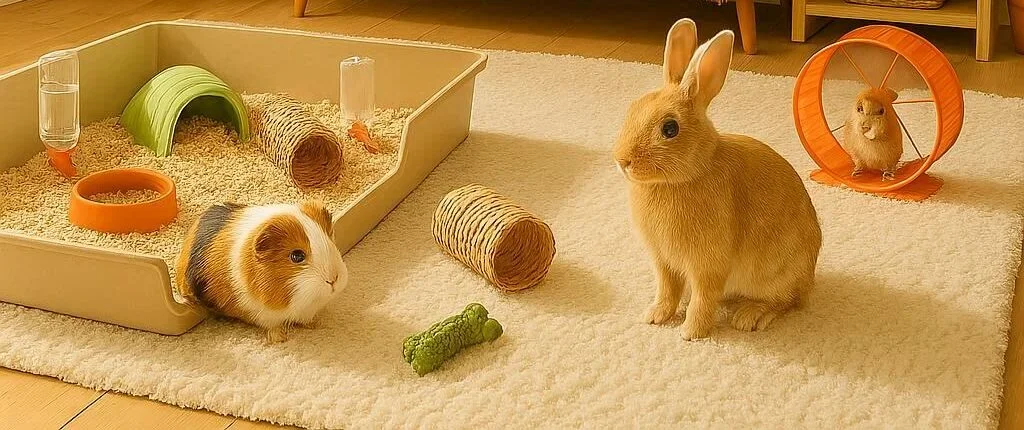
How to Design a Pet-Friendly Balcony Garden for Your Furry Friends
Are you a pet owner longing to create an outdoor oasis where both you and your furry friends can relax and enjoy the fresh air? Look no further! Designing a pet-friendly balcony garden is a great way to provide your pets with a safe and stimulating environment while also adding beauty to your home. In this comprehensive guide, we’ll walk you through the steps to create a stunning and pet-safe balcony garden.
Understanding Your Space and Needs
Before diving into the design process, it’s essential to assess your balcony’s specific conditions and your pet’s needs.
1. Evaluate the Balcony’s Conditions
- Sunlight Exposure: Determine how much sunlight your balcony receives throughout the day. This will influence the types of plants you can include, as some plants thrive in full sun while others prefer shade.
- Wind and Weather: If your balcony is exposed to strong winds or harsh weather conditions, consider how these factors might impact both your plants and your pets. Wind can make your balcony less comfortable for pets, so planning for windbreaks or sheltered areas is crucial.
- Space Constraints: Measure your balcony to understand the available space. Consider the layout and how you can maximize it without making it feel cramped.
2. Consider Your Pet’s Needs
- Safety First: Pets, especially cats and dogs, can be curious and love to explore. Ensure that your balcony is secure, with no gaps or weak points where your pet could slip through.
- Comfort: Provide a comfortable area for your pet to relax. Consider adding a soft bed, a shaded spot, or even a small pool for hot days.
- Stimulation: Pets need mental and physical stimulation. Incorporate interactive elements like toys, scratching posts, or even a small area for digging.
Choosing the Right Plants
When designing a pet-friendly balcony garden, it’s crucial to select plants that are non-toxic to your furry friends. Some plants can be harmful or even toxic to pets, so proper plant selection is essential.
1. Plants Safe for Pets
Here are some pet-friendly plants that are perfect for a balcony garden:
- Catnip: A favorite among feline friends, catnip is easy to grow and can be a great addition to your balcony garden.
- Parsley: A hardy herb that’s safe for both cats and dogs. It’s also a great addition to your kitchen!
- Bamboo Palm: A low-maintenance plant that’s safe for pets and can thrive in shaded areas.
- Spider Plant: A popular, easy-to-grow plant that’s non-toxic to pets and great for air purification.
- Orchids: These beautiful flowers are safe for pets and come in a variety of colors and styles.
2. Plants to Avoid
Some plants can be harmful or even toxic to pets. Here are a few to avoid:
- Lilies: Lilies are highly toxic to cats, and even small amounts can cause severe illness.
- ** Snake Plant (Mother-in-Law’s Tongue):** While popular for low-maintenance care, this plant is toxic to both cats and dogs.
- Oleander: This plant is highly toxic to both cats and dogs and should be avoided at all costs.
- Tulips: The bulbs of tulips contain toxic compounds that can be harmful to pets.
- ** Azalea:** These plants are toxic to both cats and dogs and can cause severe symptoms if ingested.
Designing the Layout
Once you’ve selected the right plants, it’s time to think about the layout of your balcony garden. A well-planned layout will ensure that your balcony is both functional and aesthetically pleasing.
1. Zone Planning
Divide your balcony into different zones to cater to both you and your pet’s needs:
- Plant Zone: Dedicate a section of the balcony to plants. Consider vertical gardening or tiered planters to maximize space.
- Pet Zone: Create a comfortable area for your pet to relax. This could include a soft bed, a shaded spot, or even a small pool for hot days.
- Human Zone: Don’t forget to include a seating area where you can relax and enjoy the garden. A small table and chairs or a hammock would be perfect.
2. Hardscaping
Hardscaping refers to the non-plant elements of your garden, such as paths, patios, and walls. When designing your pet-friendly balcony garden, consider the following:
- Flooring: Choose pet-friendly flooring options like wood decking, tile, or concrete. Avoid sharp or slippery surfaces that could harm your pet.
- Paths: If you’re including pathways, ensure that they’re wide enough for both you and your pet to move comfortably.
- Vertical Spaces: Make the most of your balcony’s vertical space by incorporating wall-mounted planters or shelves. This will not only save space but also add visual interest.
Safety Tips for Your Pet-Friendly Balcony Garden
Ensuring your pet’s safety is paramount when designing a balcony garden. Here are some tips to keep your furry friends safe:
1. Secure the Railings
- Use Netting or Screens: If you have a high-rise balcony, consider installing netting or screens to prevent your pet from slipping through the railings.
- Check for Gaps: Ensure that there are no gaps in the railings or fencing that your pet could squeeze through.
2. Avoid Hazardous Materials
- Toxic Substances: Avoid using pesticides, herbicides, or other toxic substances on your plants. These can be harmful to your pet if they come into contact with them.
- Sharp Objects: Keep any sharp objects like gardening tools or broken pottery out of your pet’s reach.
3. Provide a Safe Environment
- Sheltered Areas: Create a sheltered area where your pet can retreat from the sun, wind, or rain.
- Water and Shade: Ensure that your pet has access to fresh water and plenty of shade, especially during hot weather.
- Emergency Plan: Have a plan in place in case of an emergency. Knowing the location of the nearest vet and having a pet first-aid kit on hand can be crucial.
Creative Ideas for Your Balcony Garden
To make your pet-friendly balcony garden truly special, consider adding some creative elements that both you and your pet will enjoy.
1. Vertical Gardening
Vertical gardening is an excellent way to maximize space on your balcony. Use wall-mounted planters or a trellis to grow plants vertically. This will not only save space but also create a beautiful display of greenery.
2. Incorporate a Water Feature
A small water feature like a fountain or birdbath can add a soothing element to your balcony garden. However, ensure that the water feature is safe for your pet and that they can’t easily tip it over.
3. Add a Pet Bed or Hammock
Create a cozy spot for your pet to relax. Consider adding a pet bed or hammock where they can nap in the sun or shade.
4. Include Interactive Elements
Keep your pet entertained by including interactive elements like puzzle toys, treat-dispensing toys, or even a small agility course.
Conclusion
Designing a pet-friendly balcony garden is a rewarding project that can provide your furry friends with a safe and stimulating outdoor space. By carefully selecting pet-safe plants, planning the layout, and incorporating safety measures, you can create a beautiful and functional garden that both you and your pets will enjoy for years to come.
So, get creative, have fun, and happy gardening with your furry friends!