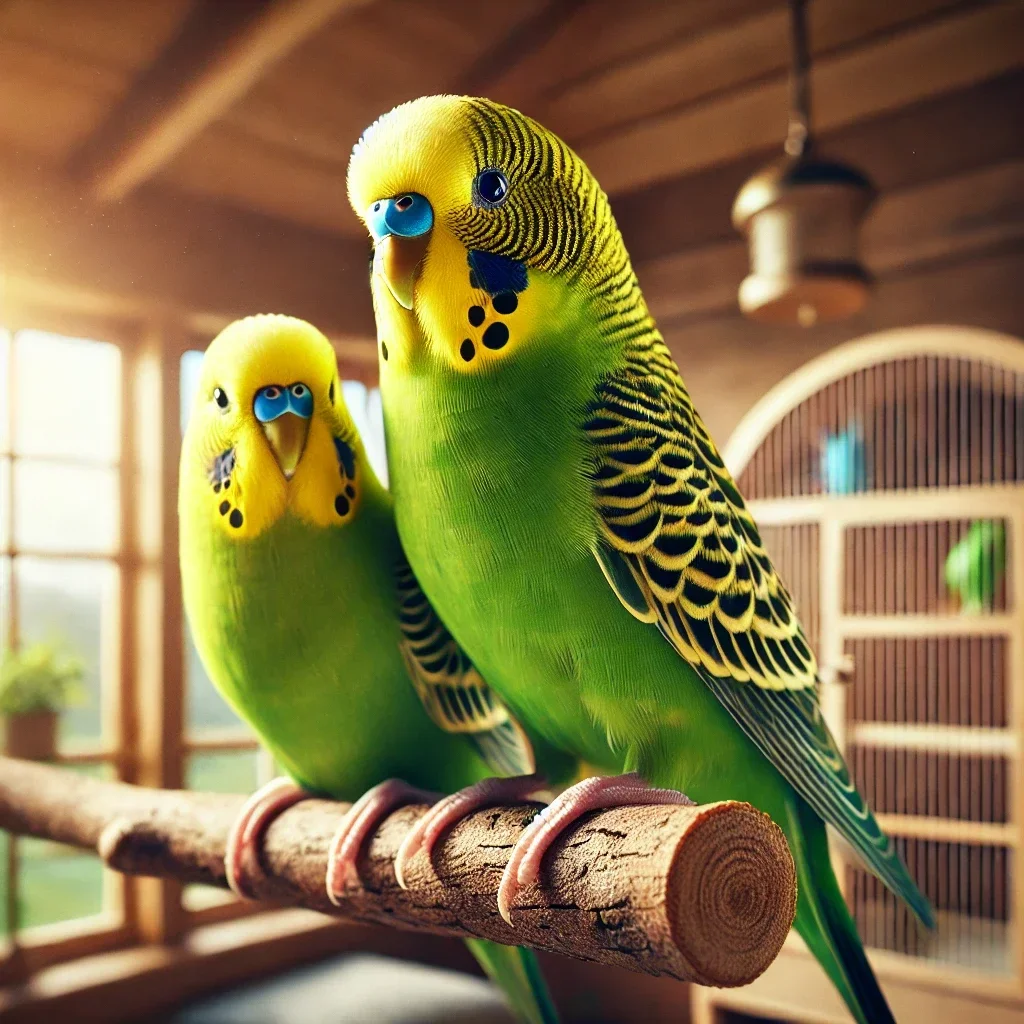
How to Create a Safe Outdoor Aviary for Your Pet Birds
Building a Safe Outdoor Aviary for Your Feathered Friends
Creating an outdoor aviary for your pet birds can be a rewarding project that provides your feathered companions with a safe and stimulating environment. However, it requires careful planning and attention to detail to ensure the health and well-being of your birds. In this guide, we’ll walk you through the steps to build a secure, comfortable, and enriching outdoor aviary for your pet birds.
Choosing the Right Location
Before you start building, it’s essential to select the right location for your outdoor aviary. The location will play a significant role in the safety, comfort, and overall health of your birds. Here are some factors to consider:
- Shelter from the Elements: Your aviary should be situated in a spot that provides natural shelter from harsh weather conditions such as direct sunlight, heavy rain, and strong winds. A shaded area with some tree cover can be ideal.
- Protection from Predators: Keep your aviary away from areas where predators like cats, raccoons, or birds of prey might be present. Fencing the area or using netting can help deter predators.
- Ventilation and Airflow: Proper airflow is crucial for your birds’ health. Avoid areas where stagnant air can accumulate, as this can lead to respiratory issues.
- Accessibility: Choose a location that is easy to access for cleaning, feeding, and monitoring your birds.
Selecting the Right Materials
The materials you use for your aviary will determine its durability, safety, and overall effectiveness. Here are some recommendations:
- Wire Mesh: Use high-quality wire mesh for the enclosure. The mesh size should be appropriate for your bird species to prevent them from escaping or getting injured. A mesh size of 1 inch or smaller is recommended for smaller birds.
- Wooden or Metal Frame: A sturdy frame is essential to support the weight of the mesh and withstand outdoor conditions. Wooden frames are cost-effective, but metal frames are more durable and require less maintenance.
- Roofing Material: Use waterproof roofing material such as corrugated metal or PVC to protect your birds from rain and sunlight.
- Perches and Nesting Boxes: Add perches made from natural wood and nesting boxes for your birds to roost and nest comfortably.
Designing the Aviary
The design of your aviary should cater to the specific needs of your birds. Consider the following tips when designing your aviary:
- Size: The size of the aviary should be proportionate to the number and size of your birds. A larger aviary allows your birds to fly freely and exercise, which is essential for their physical and mental health.
- Shape: The shape of the aviary can vary, but a rectangular or square shape is often the most practical. Avoid sharp corners that could harm your birds.
- Entrance and Exit Points: Ensure that there are secure entrance and exit points for easy access and to prevent birds from escaping.
Ensuring Safety and Security
Safety and security should be your top priorities when building an outdoor aviary. Here are some tips to ensure your aviary is safe and secure:
- Predator-Proofing: Use strong wire mesh and secure all openings to prevent predators from accessing the aviary. Consider adding a layer of netting around the aviary to further deter predators.
- Escape-Proofing: Ensure that all gaps and openings are sealed to prevent your birds from escaping. Regularly inspect the aviary for any damage or weaknesses.
- Electrical Safety: If you plan to install lighting or heating elements, ensure that all electrical components are safely installed and out of reach of your birds.
Adding Enrichment and Accessories
To keep your birds happy and engaged, it’s important to add enrichment and accessories to the aviary. Here are some ideas:
- Toys and Activities: Add toys such as swings, ladders, and chew toys to keep your birds entertained and stimulated.
- Plant Life: Incorporate live plants or artificial foliage to provide shelter and a natural environment for your birds.
- Pools and Water Sources: Provide a shallow pool of water for your birds to bathe in and a reliable source of fresh drinking water.
Maintaining the Aviary
Regular maintenance is crucial to keep your aviary clean, safe, and comfortable for your birds. Here are some maintenance tips:
- Cleaning: Clean the aviary regularly to remove soiled bedding, droppings, and uneaten food. Disinfect all surfaces with a pet-safe cleaning solution.
- Feeding: Provide a balanced diet that meets the nutritional needs of your birds. Use feeders that are easy to clean and keep the feeding area free from contamination.
- Inspecting: Regularly inspect the aviary for any signs of damage or wear and tear. Repair any issues promptly to ensure the safety of your birds.
Conclusion
Creating a safe and comfortable outdoor aviary for your pet birds is a rewarding project that requires careful planning and attention to detail. By selecting the right location, using appropriate materials, and incorporating enrichment and accessories, you can provide your birds with a stimulating and secure environment. Remember to regularly maintain the aviary to ensure the health and well-being of your feathered companions.
If you’re new to building an aviary, consider consulting with a professional or researching more about bird care and aviary construction. With the right knowledge and tools, you can create a beautiful and safe outdoor aviary that your birds will love.
Learn more about aviaries and how they provide a safe and natural environment for birds.