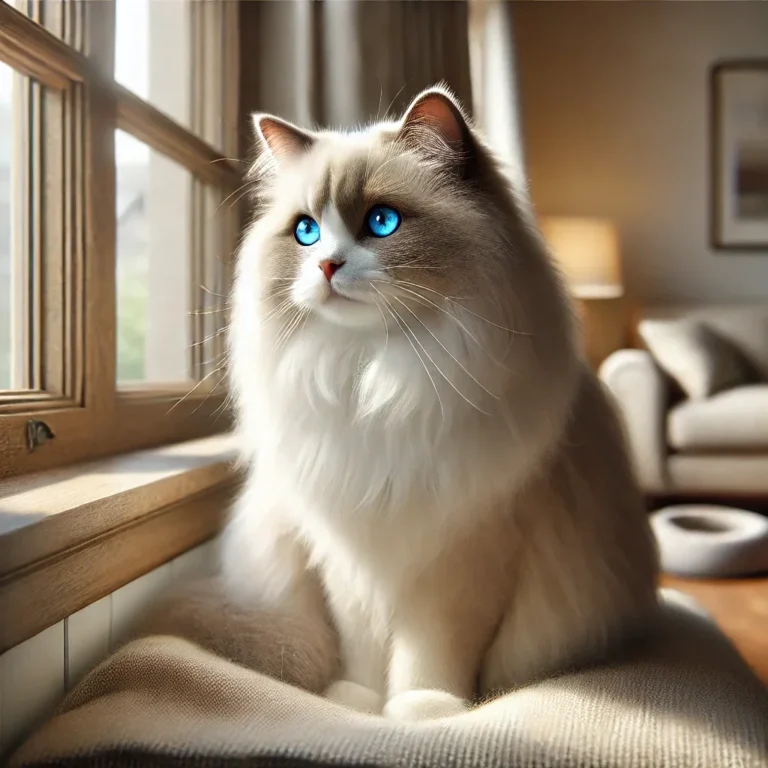
How to Create a Cat-Friendly Indoor Environment
Creating a cat-friendly indoor environment is essential for ensuring the health, happiness, and safety of your feline companions. Cats are natural explorers, and they thrive in spaces that stimulate their senses, provide comfort, and allow them to exercise their instincts. Whether you’re a seasoned cat owner or a newcomer to cat parenthood, designing a home that meets your cat’s needs can make a world of difference in their overall well-being. In this guide, we’ll explore practical tips and expert advice on how to create a cat-friendly indoor environment.
Understanding Your Cat’s Needs
Before diving into the nitty-gritty of designing a cat-friendly space, it’s important to understand what your cat needs to thrive. Cats are creatures of habit and instinct, and their environment plays a significant role in their mental and physical health. Key needs include:
- Space to move and play: Cats need room to stretch, run, and engage in physical activity.
- Vertical space: Cats are natural climbers, and having access to high places can help them feel secure and exercise their muscles.
- Hiding spots: Cats often feel safest when they have places to hide or retreat, such as cardboard boxes or cozy enclosures.
- Sensory stimulation: Cats have a strong sense of touch, smell, and hearing, and they benefit from environments that engage these senses.
- Routine and predictability: Cats prefer a consistent daily routine, including feeding times, playtime, and sleep schedules.
Designing a Cat-Friendly Indoor Space
Creating a cat-friendly home doesn’t have to mean overhauling your entire living space. With a few simple adjustments, you can transform your home into a feline paradise.
1. Incorporate Vertical Space
Cats love to climb, perch, and observe their surroundings from high vantage points. Adding cat shelves, cat trees, or even a cat Agility equipment can provide your cat with the vertical space they crave. Consider the following tips:
- Cat Shelves: Install shelves or ledges near windows to give your cat a place to lounge and watch birds or other wildlife outside.
- Cat Trees: Tall cat trees with multiple perches, scratching posts, and hideaways are a great way to provide vertical space and exercise opportunities.
- Climbing Structures: Look for durable, sturdy climbing structures that can support your cat’s weight and provide plenty of surfaces for climbing and scratching.
2. Provide Cozy Hiding Spots
Cats often feel most secure when they have access to small, enclosed spaces where they can retreat from the world. These hiding spots can be as simple as a cardboard box or a small tent. Consider the following ideas:
- Cardboard Boxes: Cats often prefer simple, unassuming hiding spots like cardboard boxes. Place a few boxes around the house for your cat to use as needed.
- Tunnels and Tents: Provide tunnels, tents, or small enclosures that your cat can use to feel secure and hidden.
- Covered Beds: Covered cat beds or igloos can provide a sense of safety and security for your cat.
3. Use Durable, Cat-Friendly Materials
Cats have sharp claws and teeth, and they can be tough on furniture and other household items. To create a cat-friendly indoor environment, it’s important to use durable, cat-friendly materials that can withstand wear and tear. Consider the following tips:
- Scratching Posts: Provide sturdy scratching posts made of materials like sisal rope or carpet to redirect your cat’s scratching behavior away from furniture.
- Durable Fabrics: Choose furniture and textiles made from durable, stain-resistant materials that can withstand scratches and spills.
- Washable Covers: Use washable covers for furniture and bedding to make cleaning up after your cat easier.
4. Keep Toxic Substances Out of Reach
Cats are naturally curious, and they often investigate their surroundings by tasting or chewing on objects. To keep your cat safe, it’s important to keep toxic substances and hazardous materials out of reach.
- Houseplants: Many common houseplants are toxic to cats. Check the ASPCA’s list of toxic plants to ensure that any plants in your home are safe for your cat. For example, lilies and sago palms are highly toxic to cats and should be avoided.
- Cleaning Supplies: Keep cleaning supplies, chemicals, and medications stored in secure locations where your cat cannot access them.
- Electrical Cords: Cats may be tempted to chew on electrical cords, which can be dangerous. Use cord protectors or secure cords out of reach to prevent this.
5. Create a Safe Outdoor Alternative
While many cats enjoy spending time outdoors, it can be dangerous for them due to traffic, predators, and other hazards. If you want to give your cat the opportunity to experience the outdoors safely, consider creating a catio or screened-in porch where your cat can explore without risk.
- Catio: A catio is an enclosed outdoor space designed specifically for cats. It can be as simple as a fenced patio or as elaborate as a multi-level structure with windows and perches.
- Screened-In Porch: If you have a screened-in porch, you can create a safe outdoor space for your cat by adding cat-safe plants, furniture, and toys.
Enriching Your Cat’s Environment
Providing a stimulating environment is crucial for your cat’s mental and physical health. Bored cats may develop behavioral problems, such as excessive grooming, pacing, or destructive behavior. Here are some ways to enrich your cat’s environment:
1. Provide Toys and Interactive Play
Cats need plenty of opportunities for play to stay physically active and mentally stimulated. Consider the following tips:
- Interactive Toys: Use toys that encourage interaction, such as feather wands, laser pointers, or interactive treat dispensers.
- Rotation of Toys: Rotate your cat’s toys regularly to keep them interesting and prevent boredom.
- Food Puzzle Toys: Food puzzle toys can provide mental stimulation and slow down eating, which can be beneficial for cats that eat too quickly.
2. Create a Sensory Experience
Cats have a keen sense of touch, smell, and hearing, and they benefit from environments that engage these senses. Consider the following ideas:
- Catnip: Cats have a unique response to catnip, which can be found in toys, scratching pads, or even plants. Many cats find catnip stimulating and enjoyable.
- Textured Surfaces: Provide a variety of textured surfaces for your cat to rub against, such as sisal rope, carpet, or scratching pads.
- Bird Watching: If your cat enjoys watching birds, consider placing a bird feeder or bird bath near a window where your cat can observe.
3. Maintain a Consistent Routine
Cats are creatures of habit and thrive on consistency. Establishing a regular daily routine can help your cat feel secure and reduce stress. This includes consistent feeding times, playtime, and sleep schedules.
Safety Precautions for a Cat-Friendly Home
While creating a cat-friendly environment, it’s important to take safety precautions to protect both your home and your cat. Here are some key considerations:
- Secure Loose Items: Cats are naturally curious and may knock over objects, so secure any loose items that could fall or break.
- Anchor Heavy Furniture: Anchor heavy furniture or appliances to prevent them from tipping over if your cat decides to climb or rub against them.
- Check for Small Spaces: Cats can squeeze into tiny spaces, so ensure that any small gaps or holes in your home are sealed to prevent your cat from getting trapped.
Creating a Cat-Friendly Home for Multi-Cat Households
If you share your home with multiple cats, it’s important to create a space that accommodates all of their needs. Here are some tips for multi-cat households:
- Multiple Resources: Provide multiple feeding stations, litter boxes, and water sources to prevent competition and stress.
- Separate Spaces: Offer separate areas where each cat can retreat if they feel overwhelmed or need some alone time.
- Vertical Space: Multi-cat households benefit from plenty of vertical space, as cats may prefer to perch at different levels to observe each other.
Conclusion
Creating a cat-friendly indoor environment is all about understanding and meeting your cat’s needs for space, safety, and stimulation. By incorporating vertical space, cozy hiding spots, durable materials, and enriching activities, you can create a home where your cat can thrive. Remember to prioritize your cat’s safety by keeping toxic substances and hazardous materials out of reach and securing loose items. With a little creativity and planning, you can turn your home into a feline paradise that your cat will love.
Final Thoughts
By following these tips, you can create a cat-friendly indoor environment that promotes your cat’s physical and mental well-being. Whether you’re a seasoned cat owner or just starting out, taking the time to design a space that meets your cat’s needs will pay off in the form of a happy, healthy, and well-adjusted feline companion. So, get creative, have fun, and enjoy watching your cat thrive in their new indoor environment!
If you found this guide helpful, share your own tips for creating a cat-friendly home in the comments below. Happy cat parenting!