How to Bond With Your Small Pet: Simple Techniques
Building a meaningful connection with your small pet is one of the most rewarding experiences for any pet owner. Whether you have a rabbit, guinea pig, hamster, or another small furry companion, bonding helps create trust and strengthens your relationship. In this guide, we’ll explore simple yet effective techniques to bond with your small pet and deepen your connection.
Building a Strong Connection with Your Small Pet
Understanding Their Behavior and Needs
Before you start bonding with your small pet, it’s essential to understand their behavior, needs, and personality. Small pets, like rabbits and guinea pigs, are social animals that thrive on interaction and routine. They also have specific dietary and environmental needs that, when met, can help build trust.
- Research Their Species: Different small pets have unique behaviors. For example, hamsters are nocturnal and may be more active at night, while rabbits are diurnal and prefer to interact during the day.
- Observe Their Personality: Spend time observing your pet’s preferences. Some may enjoy being handled, while others may prefer exploring their environment.
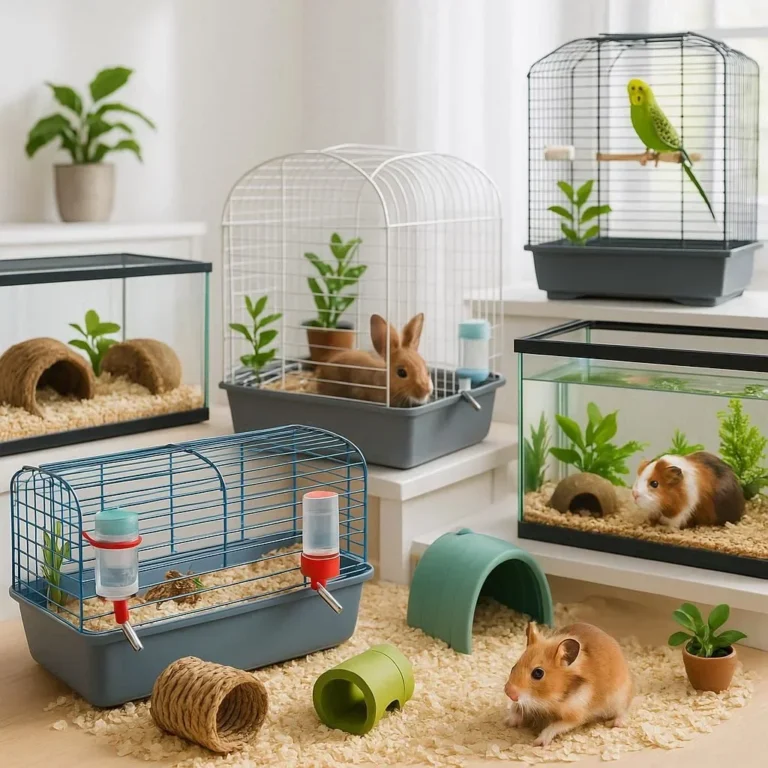
- Provide a Safe Space: Ensure their habitat is safe, comfortable, and equipped with essentials like food, water, bedding, and hiding places. A secure environment reduces stress and encourages bonding.
Creating a Safe and Comfortable Environment
A safe and comfortable living space is the foundation of a strong bond with your small pet. By creating a welcoming environment, you can help your pet feel secure and more open to interaction.
- Choose the Right Cage or Enclosure: Ensure the enclosure is spacious enough for your pet to move around comfortably. Avoid overcrowding, as this can lead to stress and health issues.
- Provide Hiding Places: Small pets often feel anxious in open spaces. Add tunnels, boxes, or other hiding places to give them a sense of security.
- Maintain Proper Hygiene: Clean their enclosure regularly to prevent health problems and unpleasant odors. This also shows your pet that you care about their well-being.
Spending Quality Time with Your Small Pet
Quality time is crucial for bonding with your small pet. This doesn’t mean forcing interaction but rather allowing your pet to engage with you at their own pace.
- Start with Short Sessions: Begin with short, gentle interactions. Let your pet become comfortable with your presence before increasing the time spent together.
- Use Positive Reinforcement: Reward your pet with treats or praise when they behave calmly or interact positively. This reinforces good behavior and builds trust.
- Let Them Explore: Allow your pet to explore their surroundings while you supervise. This helps them feel secure and can also be a fun way to interact.
The Power of Grooming
Grooming is a natural way to bond with many small pets, as it mimics social behaviors they would experience in the wild. For example, rabbits and guinea pigs often groom each other as a sign of affection.
- Brush Their Fur: Use a soft brush or comb to gently groom your pet. This can help remove loose hair and reduce shedding, while also providing a soothing experience.
- Be Gentle and Patient: Some pets may initially resist grooming. Start with short sessions and gradually increase as they become more comfortable.
- Check for Health Issues: Regular grooming can also help you spot any signs of illness or injury, such as skin irritation or parasites.
Establishing a Routine
A consistent routine helps your small pet feel secure and can also make bonding easier. By following a predictable schedule, your pet will learn to trust and rely on you.
- Set Regular Feeding Times: Feeding at the same times each day helps your pet associate you with their basic needs.
- Stick to Playtime Schedules: If your pet enjoys playtime outside their enclosure, establish specific times for this activity to create a sense of routine.
- Be Reliable: Consistency shows your pet that you’re a source of stability and care.
Observing and Responding to Their Cues
Every small pet gives off cues about their mood and preferences. Learning to recognize these cues can help you tailor your interactions and build a stronger bond.
- Body Language: Pay attention to body language. For example, a relaxed pet may sit calmly, while a stressed pet may tense up or hide.
- Behavioral Signals: Some pets may nip or pull away if they’re not in the mood for interaction. Respect their boundaries and give them space when needed.
- Verbal Cues: Many small pets make sounds to communicate. For instance, a happy guinea pig may squeak or whistle, while a stressed rabbit may growl or thump its hind legs.
Engaging in Play
Play is an excellent way to bond with your small pet while also providing exercise and mental stimulation. Choose toys and activities that suit their natural behaviors.
- Use Appropriate Toys: Offer toys that encourage natural behaviors, such as burrowing tunnels for rabbits or chew toys for guinea pigs.
- Interact During Play: Engage with your pet during playtime by moving toys or encouraging them to explore. This creates a sense of connection and fun.
- Rotate Toys Regularly: Keep your pet interested by rotating toys every few days. This prevents boredom and keeps playtime exciting.
Patience and Time
Building a bond with your small pet takes time and patience. Some pets may be more reserved or take longer to warm up to interaction. Don’t rush the process—focus on creating a trusting relationship.
- Let Them Set the Pace: Allow your pet to dictate the level of interaction they’re comfortable with. Forcing interaction can lead to stress and damage the trust you’re trying to build.
- Celebrate Small Wins: Even small moments of connection, like your pet approaching you or accepting a treat, are steps toward a stronger bond.
- Be Consistent: Regular, positive interactions are key to building trust and deepening your relationship over time.
The Benefits of Bonding with Your Small Pet
Bonding with your small pet has numerous benefits for both you and your furry friend. It can reduce stress, improve your pet’s overall well-being, and create a lifelong friendship.
- Reduces Stress: Interacting with pets has been shown to reduce stress and improve mental health in humans.
- Improves Pet Health: A calm and trusting pet is more likely to thrive physically and emotionally.
- Creates a Lasting Bond: The time and effort you invest in bonding will create a strong, lasting connection with your pet.
Conclusion
Bonding with your small pet is a journey that requires patience, understanding, and consistency. By creating a safe environment, spending quality time, and responding to their needs, you can build a strong and meaningful relationship with your furry companion. Remember, every small pet is unique, so take the time to learn about their preferences and personality. With these simple techniques, you can deepen your bond and enjoy the many rewards of pet ownership.
If you found this guide helpful, share your own tips for bonding with small pets in the comments below. For more information on caring for small pets, visit the Wikipedia page on small mammals or check out the ASPCA’s pet care resources.