Hiking and Outdoor Safety Tips for Your Dog Adventures
When you lace up your boots and pack your backpack for a trail day, remember your four‑legged friend is just as eager to explore the wilderness. Putting your dog on a hiking excursion can provide fantastic exercise and strengthen your bond, but it also demands careful planning. Below are the most important safety considerations, training steps, gear recommendations, and etiquette tips to make sure both you and your pup stay healthy and happy on the trail.
Pre‑Trip Preparation
1. Vet Check‑In
Pet owners often overlook routine veterinary visits when they’re excited about a new trip. A quick health check ensures your dog is fit for the demands of hiking. If your dog is under one year old, consider an age‑appropriate consultation. The American Veterinary Medical Association (AVMA) recommends an annual exam before any outdoor adventure.
American Veterinary Medical Association
2. Microchip & Identification
Despite how calm your dog may seem, small pets can become disoriented or lost in rugged terrain. A microchip paired with a collar ID tag (with your contact information) provides a reliable safety net.
3. Vaccinations & Parasite Control
Your dog will benefit from up‑to‑date core vaccines (rabies, distemper, parvovirus) and preventative tick, flea, and heartworm treatments. The National Center for Biotechnology Information has detailed guidelines on which vaccines are mandatory depending on your state.
4. Training & Recall
Even the most trained dogs can become curious. Use short‑and‑tied recall commands or voice cues. Consistency across all environments—city, park, backcountry—helps reinforce obedience.
5. Research Trail Permits
Many national parks stipulate specialized permits for dogs. Visit the National Park Service website for each park’s pet policy before booking.
National Park Service Pet Policies
Gear Checklist
| Item | Purpose | Key Features |
|——|———|————–|
| Collapsible Water Bottle | Stay hydrated | Light, insulated |
| Hiker‑Dog Harness | Comfort & control | Adjustable, breathable |
| First‑Aid Kit | Immediate treatment | Bandages, antiseptic wipes |
| Hand‑held Treat Pouch | Positive reinforcement | Keeps treats warm |
| Dog‑Safe Sunscreen | UV protection | SPF 50+ with minimal fragrance |
| ID Tag with Microchip | Immunity | Durable metal |
Hydration Matters
Dogs lose water faster than humans, especially in hot or high‑altitude environments. A general rule: aim to provide at least 500‑ml of water for every 4.5 km of travel. Use a carbyoil bottle that can be clipped onto your pack strap.
Footwear & Foot Straps
A small, well‑anchored dog boot can protect paw pads and keep feet in case your pup slips. Dog boot options range from simple neoprene to advanced rubber treads. For dogs with longer legs, consider lightweight, breathable booties.
Packing Light & Smart
Balance equipment with your dog’s comfort: too heavy a collar can cause discomfort, while too light a vest might not provide adequate protection against hazardous plants.
Trail Etiquette & Safety Practices
Trail Rules and No‑Dog Zones
Read the trail regulations posted at trailheads. Some trails ban dogs after a certain point to protect wildlife or due to leash‑only requirements.
Leash Management
Long‑line leashes (4‑6 ft) enhance control while keeping your dog within visual range. Use a harness or pet‑safety collar to reduce choking hazards.
Wildlife Awareness
Teach your dog to keep distance from bears, wolves, and other wildlife. Use an audible cue to halt or slowly pull back.
Avoid Poisonous Plants
Beware of yew, poison ivy, and more. Washington Trails Association – Poisonous Plants Guide
Leave No Trace
Always pack out pet waste. Use a designated dog waste bag system—many parks supply proper disposal bags.
Leave No Trace Dog Waste Guidelines
Recognizing Signs of Heat Stress
Dogs are susceptible to heat stroke. Look out for:
- Excessive panting
- Red or blue lips
- Vomiting
- Lethargy
- Swollen paws
If you spot a symptom, get your dog into shade, apply cool water, and remove any tight clothing. Contact a veterinary professional if symptoms worsen.
Trail Recovery & Checking for Injuries
After each hike, inspect your dog’s paws for cuts, mud, or debris. Trim broken nails promptly. A proper dog boot can reduce the risk of cuts or abrasions.
Treat Patience as a Reward
Encourage patience at stop‑points. Treats are a great incentive to wait for instructions and avoid running off track.
Building Confidence & Positive Experiences
Positive training intervals, short reward walks cater. Consistent exposure to light terrain or other dogs helps your pet remain adaptable.
Use a Safe Dog Park as Transition
If you’re unsure of trail skill, use a dog park to practice recall and leash etiquette. Over time, gradually transition to more rambunctious trail settings.
The Dog‑Friendly Trail Guide
When choosing trails, these resources help you identify suitable routes and local regulations:
- American Kennel Club – Hiking With Dogs
- Recreation.gov – Dog Permit Info
- Outdoors.org – Trail Database
Injury Prevention and First Aid Basics
Paw Care
Keep paw pads well‑nourished with pet‑grade pet balm. Avoid sudden changes of temperature to prevent cracking.
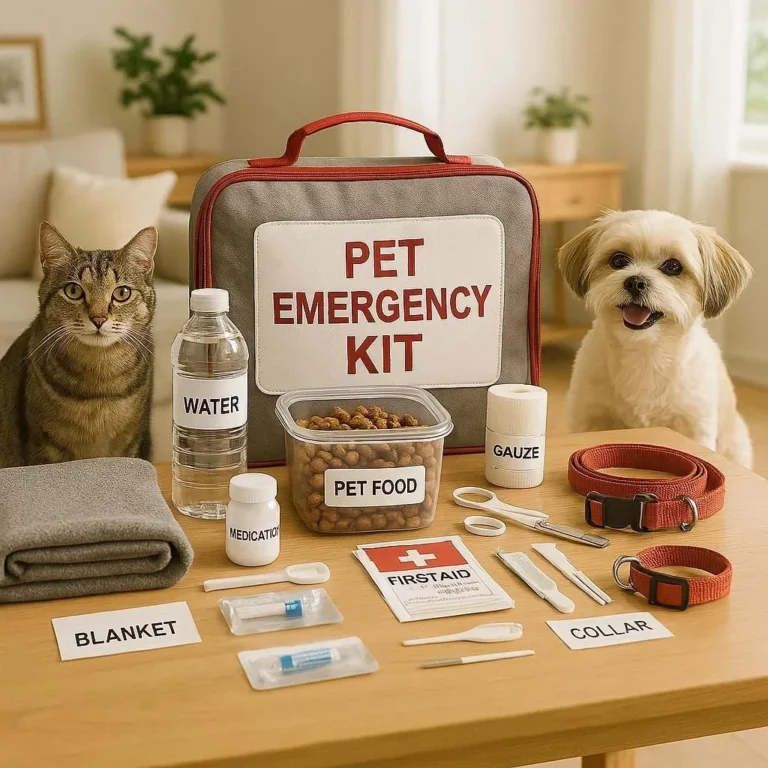
Basic Dog First Aid Kit
Include:
- Sterile gauze
- Adhesive tape
- Vet‑approved antiseptic
- Water‑soluble lubricant
Bob and Jill’s #1 For Emergency Kit was recommended at the WTA website for early‑case approaches.
Knowing Your Dog’s Limits
- Breed and size: Larger dogs need more rest, while small breeds may be more endurance‑deficient.
- Age: Puppies and senior dogs need frequent breaks. Avoid high‑altitude for young ones.
- Health history: Dogs with heart or joint issues may tire quickly.
Use a simple rating scale: 1‑5 stamina. Adjust pace accordingly.
Post‑Hike Recovery
Give your pup a well‑balanced meal after the hike. Hydrate with water or an electrolyte solution if the day was strenuous. Use a collapsible bowl for easy transport.
Common Mistakes to Avoid
| Mistake | Consequence | Fix |
|———|————|—–|
| Over‑Exertion | Heat stroke, joint injury | Plan rest breaks, monitor temperature |
| Old Shoes | Strain on joints | Use sturdy, padded shoes |
| Loose Leash | Loss of control | Stake or short line with harness |
| No Microchip | Difficulty finding pet | Microchip & ID tags |
Final Thoughts
Safely hiking with your dog is not just about gear—it’s a partnership of preparation, training, and mutual trust. Start small, trust your canine’s instincts, and experience the joy of fresh air together, confident that you’ve covered the essential safety bases.
Take the first step today – research your local trails, schedule a vet appointment, and treat your dog to a training session. Then, hop on your next adventure with peace of mind knowing you’ve empowered both you and your pup for a safe and memorable exploration.
Let’s keep the trails safe for everyone. Share your best dog‑hiking practices in the comments below or on social media using #DogHikeSafe.