Healthy Bird Care Tips
Providing healthy bird care for soft‑calling species such as cockatiels, lovebirds, and canaries requires a nuanced approach that respects their delicate vocalizations and unique physiological needs. These birds may appear gentle, but they are prone to specific health challenges that demand attentive nutrition, environment, and social interaction. In this guide, we explore evidence‑based strategies to keep your soft‑calling companions thriving, from selecting the right diet and maintaining proper humidity to recognizing subtle signs of illness. By integrating reputable resources from avian specialists and adhering to best practices, you can create a nurturing habitat that supports both the physical well‑being and the melodious calls that make these birds so beloved.
Nutrition Tailored to Soft‑Calling Birds
A balanced diet is the cornerstone of healthy bird care. Soft‑calling species often have a preference for finer seeds and soft fruits, but relying solely on seeds can lead to nutritional deficiencies. Incorporate a mix of high‑quality pellets, fresh vegetables, and occasional fruit to ensure adequate protein, vitamins, and minerals. For instance, The American Ornithological Society recommends offering leafy greens like kale and dandelion, which provide calcium essential for bone health. Additionally, soft‑calling birds benefit from a modest amount of millet spray or sprouted seeds, which are easier to digest and support gut flora. Always provide fresh water, changing it daily to prevent bacterial growth.
Habitat and Cage Setup
The environment directly influences a bird’s vocal health. Soft‑calling species are sensitive to drafts and sudden temperature changes, which can strain their delicate syrinx (vocal organ). Position the cage away from direct sunlight, heating vents, and air conditioners. Maintain indoor humidity between 45% and 55% using a humidifier or misting bottle; this mirrors the natural habitats of many soft‑calling birds found in semi‑arid regions. A study by the National Center for Biotechnology Information highlights that optimal humidity reduces respiratory infections, a common issue in captive birds. Use non‑toxic, bird‑safe cleaning products—avoid aerosol sprays that contain harsh chemicals.
Social Interaction and Enrichment
These birds thrive on gentle interaction and mental stimulation. Daily vocal play, such as soft whistling or gentle singing, encourages natural calling behavior and prevents boredom‑related stress. Provide a variety of perches with different textures and diameters to promote foot health. Enrichment toys like foraging puzzles, mirror tiles, and safe chewing items keep the mind active. Rotate toys weekly to sustain interest. According to the BirdLife International, enrichment reduces stereotypic behaviors and improves overall feather condition, a key indicator of welfare.
Health Monitoring and Veterinary Care
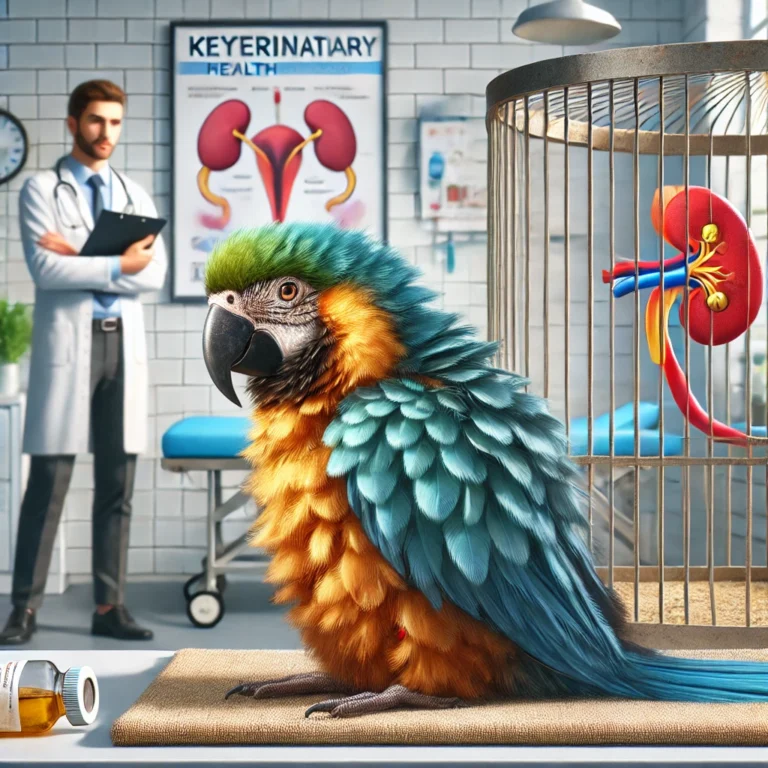
Regular check‑ups with an avian veterinarian are essential. Schedule an annual physical exam that includes feather inspection, weight measurement, and respiratory assessment. Watch for early warning signs such as fluffed feathers, reduced appetite, or changes in vocalization patterns. Soft‑calling birds may develop syngnathic papillomas or fungal infections that affect their ability to produce sound. Early intervention with antifungal medication, prescribed by a qualified professional, can prevent permanent damage. The USDA Animal Health provides guidelines on avian disease surveillance and vaccination protocols for common pathogens.
Common Issues and Prevention
- Respiratory Infections: Maintain proper humidity and avoid smoke exposure.
- Nut Deficiencies: Supplement diet with calcium bricks and fortified pellets.
- Feather Plucking: Offer diverse enrichment and ensure social interaction.
- Weight Fluctuations: Track weekly weight; adjust food portions accordingly.
Addressing these concerns proactively supports the longevity and vocal integrity of soft‑calling birds.
Conclusion
Implementing comprehensive healthy bird care practices—from tailored nutrition and humidity control to regular veterinary oversight—creates an environment where soft‑calling species can flourish and share their gentle songs. By staying informed and attentive, you safeguard not only their physical health but also the joyful sounds that enrich your home. Ready to elevate your bird‑keeping routine? Start today by reviewing your cage setup and consulting an avian vet to ensure your feathered friend receives the best possible care.
Frequently Asked Questions
Q1. What is the best diet for soft‑calling birds?
Soft‑calling birds thrive on a varied diet that includes high‑quality pellets as the base, supplemented with fresh vegetables, leafy greens, and occasional fruits. Small amounts of millet spray or sprouted seeds provide gentle nutrition that supports gut health. Avoid feeding large amounts of seed mixes alone, as they can lead to nutrient deficiencies and obesity.
Q2. How often should I clean my bird’s cage to prevent respiratory issues?
Clean the cage completely at least once a week, replacing all bedding and washing perches with bird‑safe soap and hot water. Spot‑clean droppings and food debris daily to reduce bacterial growth. Maintaining a fresh environment helps keep humidity stable and lowers the risk of respiratory infections.
Q3. What humidity level is optimal for cockatiels and lovebirds?
Both cockatiels and lovebirds feel most comfortable when indoor humidity stays between 45 % and 55 %. Using a hygrometer allows you to monitor levels accurately, and a gentle humidifier can raise humidity during dry winter months. Consistent humidity supports healthy respiratory membranes and feather condition.
Q4. How can I tell if my bird is showing early signs of illness?
Watch for subtle changes such as fluffed feathers, a decline in vocal activity, reduced appetite, or weight loss. Any sudden shift in droppings, sneezing, or discoloration of the eyes or beak also warrants attention. Early detection allows prompt veterinary care, improving recovery chances.
Q5. When should I take my soft‑calling bird to an avian vet?
Schedule an annual wellness exam even if your bird appears healthy, and bring them in immediately if you notice breathing difficulty, persistent feather plucking, or abnormal vocalizations. Any signs of swelling, discharge, or sudden weight fluctuations also require professional evaluation. Regular check‑ups help catch hidden diseases before they become serious.