Guide to Large Domestic Cat Breeds
When it comes to choosing a feline companion, size matters as much as personality. Large domestic cat breeds combine the grace of a house cat with the impressive stature of a mini‑tiger, making them appealing to families, single owners, and anyone who appreciates a cat that can comfortably perch on a couch arm while still commanding attention. In this comprehensive guide we explore the most popular giant felines, discuss temperament, health considerations, and provide practical tips for prospective owners. Whether you’re drawn to the fluffy coat of a Maine Coon or the silky elegance of a Ragdoll, understanding the nuances of each big cat breed will help you make an informed decision.
Understanding Large Domestic Cat Breeds
Large domestic cat breeds are generally defined as those weighing 12 pounds (5.4 kg) or more at full maturity. While they retain the same basic needs as smaller cats—proper nutrition, veterinary care, mental stimulation—they also present unique challenges. Larger breeds often require sturdier toys, reinforced furniture, and more space to stretch. Their size can also influence health, with a higher propensity for joint issues like hip dysplasia. Recognizing these factors early ensures a happy, healthy partnership.
Maine Coon: A Top Large Domestic Cat Breed
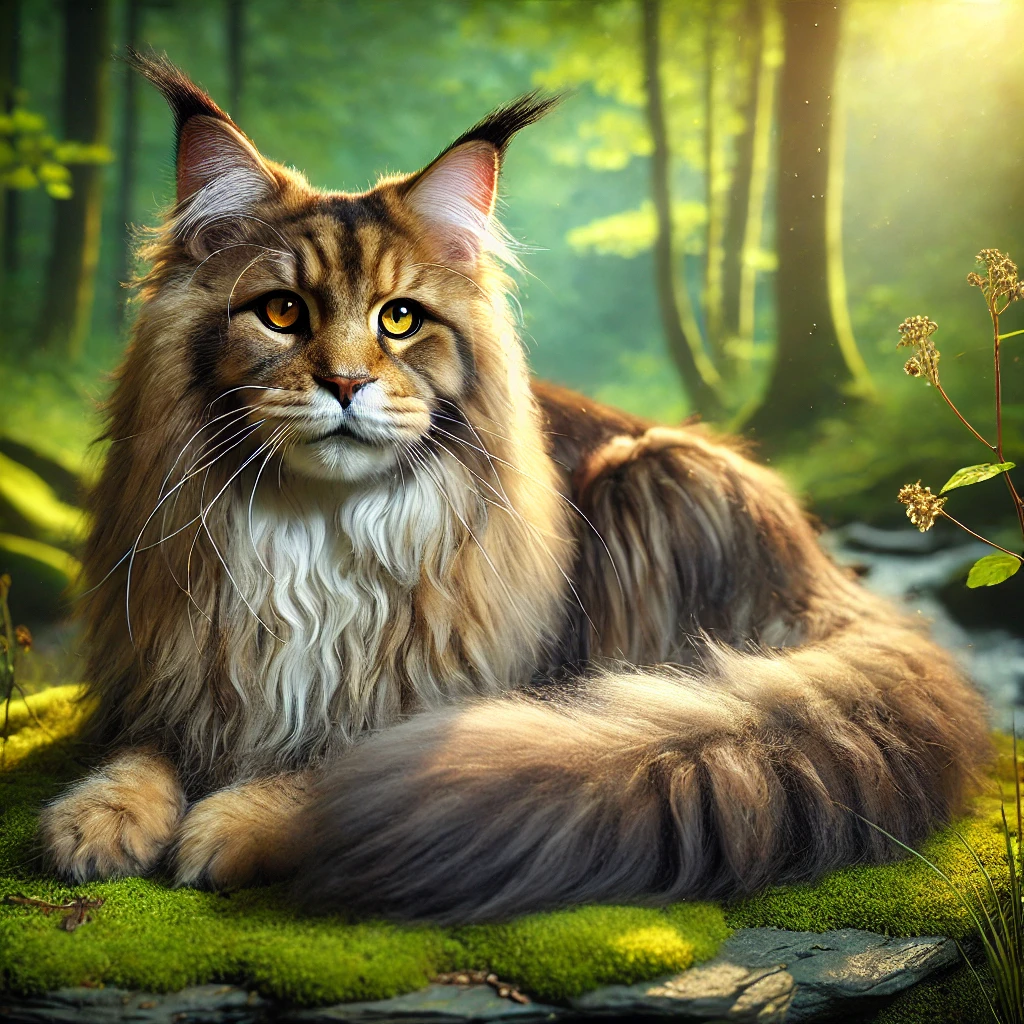
The Maine Coon consistently ranks as the largest and one of the most beloved large domestic cat breeds. Originating from New England, these cats can weigh up to 18 pounds (8.2 kg) and feature a rugged, water‑repellent coat suited for colder climates. Their friendly, outgoing nature makes them excellent family pets. For detailed breed standards, consult the Maine Coon Wikipedia page. Despite their size, they are agile hunters and enjoy interactive play.
Ragdoll and Other Large Domestic Cat Breeds
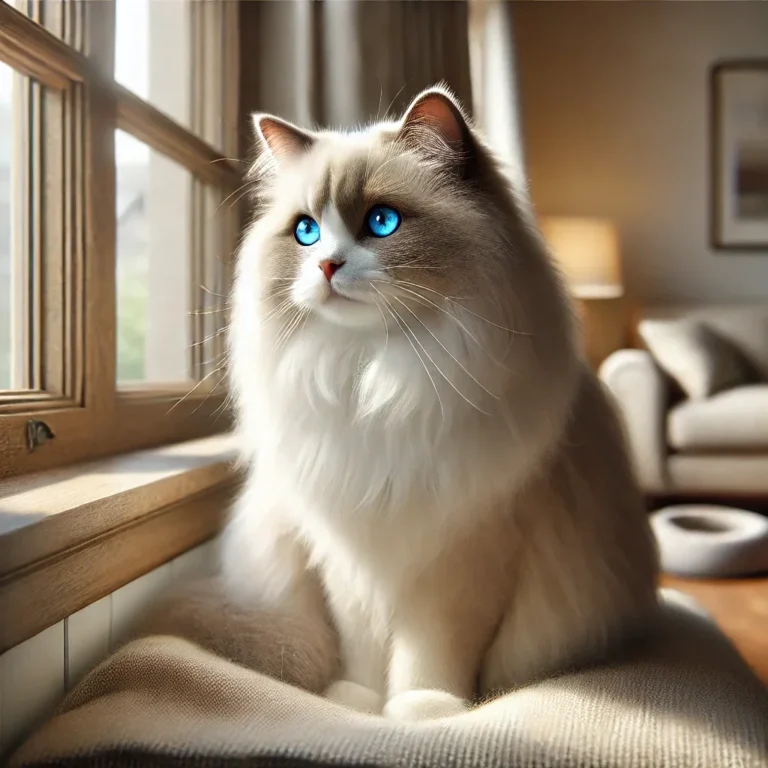
Ragdolls are renowned for their docile temperament and striking blue eyes. Weighing between 12–20 pounds (5.4–9.1 kg), they are true lap cats that often go limp when picked up—hence the name. Other notable large breeds include the Savannah (a hybrid of domestic cat and serval), the Norwegian Forest Cat, and the Siberian. Each offers distinct personalities: Savannahs are energetic and dog‑like, Norwegian Forest Cats are independent yet affectionate, and Siberians are playful and robust. Learn more about these varieties on the Ragdoll Wikipedia page, Savannah cat Wikipedia page, and Norwegian Forest cat Wikipedia page.
Choosing the Right Large Domestic Cat Breed for You
Selecting a breed aligns with lifestyle, living space, and grooming capacity. Below is a concise checklist to help narrow your options:
- Space Availability: Larger breeds need room to roam; apartments under 500 sq ft may be limiting.
- Activity Level: High‑energy breeds like the Savannah need daily play sessions, while Ragdolls are more relaxed.
- Grooming Commitment: Long‑haired giants (Maine Coon, Norwegian Forest) shed heavily and require weekly brushing.
- Health History: Research breed‑specific concerns; for instance, Maine Coons are prone to hypertrophic cardiomyopathy (HCM).
- Allergies: While no breed is truly hypoallergenic, some owners find short‑haired giants like the Siberian trigger fewer reactions.
Professional breeders often provide health clearances and genetic testing results. Reputable sources such as the Cat Fanciers’ Association (CFA) or the The International Cat Association (TICA) can guide you toward ethical breeders.
Health and Care Tips for Bigger Cats
The larger the cat, the more meticulous the care routine should be. Key considerations include:
- Nutrition: Feed a high‑protein diet formulated for large breeds; products labeled “growth support” can aid in skeletal development.
- Joint Support: Supplements containing glucosamine and chondroitin may help prevent arthritis, especially in senior giants.
- Regular Vet Checks: Annual examinations should include cardiac ultrasound for breeds predisposed to HCM, as recommended by the American Veterinary Medical Association (AVMA).
- Weight Management: Obesity strains joints; monitor body condition score and adjust portions accordingly.
- Environmental Enrichment: Provide sturdy climbing trees, puzzle feeders, and interactive toys to satisfy their hunting instincts.
Vaccination schedules and parasite prevention follow standard feline guidelines; however, larger cats may benefit from reinforced flea collars and regular dental checks due to increased food intake.
Conclusion: Find Your Perfect Large Domestic Cat Breed Today
From the gentle giant Maine Coon to the regal Ragdoll, large domestic cat breeds offer a blend of beauty, personality, and companionship that can enrich any household. By evaluating space, activity level, grooming ability, and health considerations, you can select a cat that fits seamlessly into your home. Ready to welcome a majestic feline friend? Explore reputable breeders, adopt where possible, and give your new companion the love and care it deserves. Start your journey now and discover which large domestic cat breed matches your lifestyle perfectly.
Frequently Asked Questions
Q1. What defines a large domestic cat breed?
Large domestic cat breeds are typically cats that weigh 12 pounds (5.4 kg) or more at full maturity. They share the same basic needs as smaller cats but often require more space, sturdier toys, and special attention to joint health.
Q2. Are large cat breeds suitable for apartment living?
It depends on the size of the apartment and the cat’s activity level. Breeds like Ragdolls can adapt to smaller spaces if provided with vertical climbing areas, whereas energetic giants like Savannahs thrive better in homes with ample room to roam.
Q3. What health issues are common in large domestic cats?
Bigger breeds are prone to joint problems such as hip dysplasia and arthritis, as well as breed‑specific conditions like hypertrophic cardiomyopathy in Maine Coons. Regular veterinary check‑ups and joint‑support supplements can help manage these risks.
Q4. How much grooming do long‑haired large breeds need?
Long‑haired giants like Maine Coons and Norwegian Forest Cats shed heavily and should be brushed at least once a week to prevent matting. Daily grooming during shedding season reduces hairballs and keeps their coat healthy.
Q5. Can I adopt a large domestic cat from a shelter?
Yes, many shelters and rescues have adult giants looking for homes. Adoption gives the cat a second chance and often includes initial health screening, making it a responsible and rewarding option.