Guard Dog Breeds Training
Guard Dog Breeds Training is essential for owners who want a dependable, well-behaved protector. A disciplined, knowledgeable companion not only guards property but also enhances family safety. By combining consistent routines, positive reinforcement, and breed‑specific strategies, you can develop a responsive guard dog that respects boundaries and follows commands. This guide offers comprehensive techniques to help you unlock your dog’s potential while maintaining safety and trust.
Guard Dog Breeds: Selecting the Right Breed
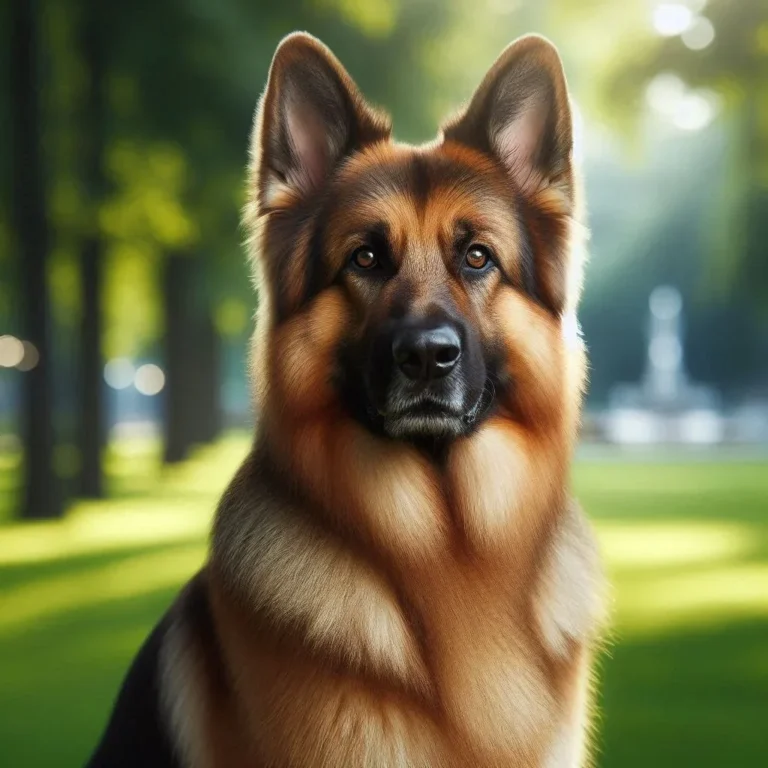
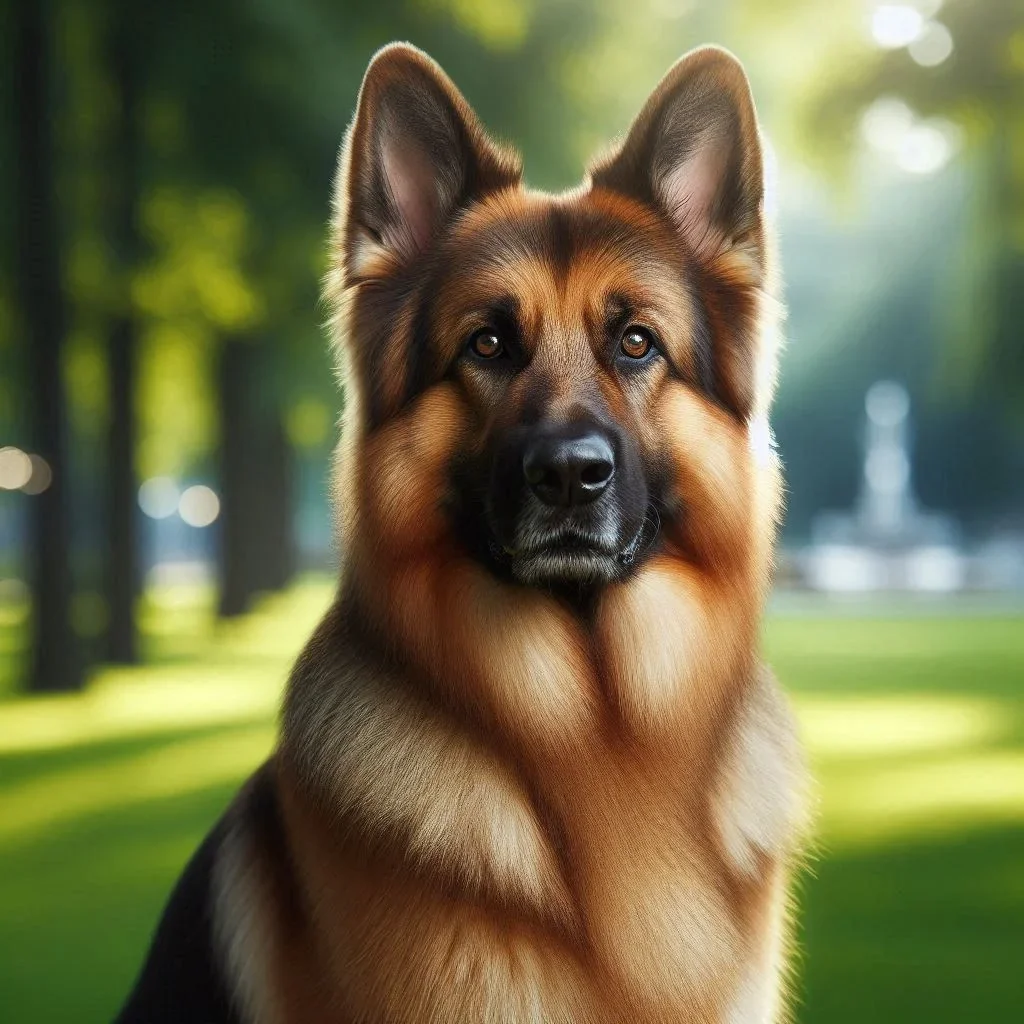
Choosing the proper breed is the foundation of successful guard dog training. German Shepherds are a popular choice, known for their intelligence, size, and loyalty. German Shepherd breed profile highlights these traits and the breed’s excellent work ethic. Belgian Malinois, often favored by police forces, offer agility and a higher drive for protection; see Belgian Malinois for more details. Each breed’s natural instincts differ, so review temperament guides on the dog training page to match your goals.
Guard Dog Breeds: Foundations of Socialization
Socialization is critical for preventing over‑reactivity and teaching dogs to differentiate friend from foe. Early exposure to people, animals, and varied environments helps create balanced behavior. AVMA’s behavior guidelines recommend starting at 8 weeks with gentle handling and short, positive encounters. Structured play sessions reduce fear and increase confidence, especially for high‑energy breeds like the German Shepherd. Additionally, controlled exposure to loud noises, such as fireworks, cultivates resilience and reduces stress triggers.
Guard Dog Breeds: Structured Training Schedules
A predictable training schedule builds muscle memory and reliability. Begin with core obedience commands and gradually integrate guard-specific tasks. Below is a practical 14‑day outline that many trainers recommend:
- Days 1–3: Establish sit, stay, and come using short, frequent sessions.
- Days 4–7: Introduce heel and watch cues while walking in controlled environments.
- Days 8–10: Practice quiet bark and guard alert by simulating intruder scenarios.
- Days 11–14: Combine commands into a short “guard circuit” and evaluate consistency.
Maintaining a consistent timetable not only reinforces learning but also allows you to monitor progress and adjust intensity. Record metrics such as response time and error rate to fine‑tune training phases. Weekly reviews prevent plateauing and keep the dog engaged.
Guard Dog Breeds: Advanced Obedience Techniques
Once basic commands are solid, advanced techniques elevate a dog’s protective abilities. The key is to maintain a calm, controlled environment while varying stimulus intensity. Use “delayed release” procedures to teach restraint before the dog can act. For instance, command stay while a stranger approaches, then release the command only after the danger passes.
Another advanced strategy is “targeting,” where the dog learns to focus on specific points, such as your hand or a designated spot. This improves situational awareness during protective duties. Pair targeting with positive reinforcement to create a clear mental map for the dog. Additionally, “negative reinforcement” like a short leash pull, if applied responsibly, can discourage unwanted barking while preserving trust.
Consistency across all training phases is paramount. A well‑structured routine that blends basic, socialization, and advanced tasks ensures a reliable guard dog ready to respond in real scenarios.
Guard Dog Breeds: Building Mental Stamina
Guard dogs must remain alert without becoming anxious. To achieve mental stamina, incorporate “mental drop‑off” sessions—brief periods where the dog must stay calm while a distraction, such as a doorbell, rings. Successful completion signals trust and control. Similarly, “dual‑cue drills” that require simultaneous obedience to two commands build decision‑making speed.
Exercise and rest cycles support cognitive health. Adequate daylight walks after intense training allow the dog’s mind to decompress. Avoid over‑exertion, which may lead to burnout and diminished responsiveness. Monitoring heart rate and breathing during practice helps keep sessions within safe physiological ranges.
By merging disciplined training with appropriate rest, guard dogs develop resilience, focus, and a stronger bond with their handlers.
Guard Dog Breeds: The Role of Positive Reinforcement
Positive reinforcement—rewarding desired behaviors—creates strong motivation. Treats, praise, and play are all effective rewards. Timing is critical: rewards should follow immediately after the correct action to reinforce the link. For guard dogs, reward sequences may involve a brief treat followed by a short, enthusiastic vocal cue.
Gradually phase out treats toward the end of training sessions, replacing them with verbal praise and physical affection. This transition ensures the dog remains motivated even when treats aren’t available. Consistency in the type of reward keeps the dog’s attention focused and reliable.
Positive reinforcement also builds trust, which is essential for a guard dog’s confidence in ambiguous situations.
Guard Dog Breeds: Handling Setbacks and Mistakes
All training journeys encounter setbacks. Immediate, calm redirection is more effective than harsh correction. For instance, if a dog barks at a stranger, silence the barking, then call the dog’s name and reward the quiet behavior. Avoid punishment, as it can increase fear and aggression.
Document setbacks to identify patterns, whether they stem from overstimulation or lack of socialization. Adjust the training schedule accordingly. In cases of persistent issues, consulting a certified canine behaviorist is recommended to tailor interventions to your dog’s needs.
Remember that progress is cumulative. Each correction offers a learning opportunity that strengthens the dog’s future performance.
Guard Dog Breeds: Finalizing a Mastery Routine
Mastery requires a refined, daily routine that blends training, exercise, and life skills. Structure each session with a warm‑up, core drills, and a cool‑down. Rotate guard tasks to keep the dog mentally engaged. Use varied environments—parks, quiet streets, and controlled obstacle courses—to simulate potential real‑world triggers.
Incorporate an annual reassessment of skills and health status. A well‑maintained guard dog should pass a quick “check‑in” test that verifies basic obedience, recall, and protective alertness. These reassessments also offer a chance to update any training elements based on evolving needs.
Invest in your guard dog’s future. Apply these proven training techniques today, and watch your companion evolve into a dependable, confident protector that aligns with your safety goals.
Frequently Asked Questions
Q1. What are the most common guard dog breeds?
Common guard dog breeds include German Shepherds, Belgian Malinois, Doberman Pinschers, Rottweilers, and Dutch Shepherds. These breeds share high intelligence, loyalty, and protective instincts. Their size and trainability make them popular choices for both personal security and professional roles.
Q2. How early should I start training a guard dog?
Training should begin as early as 8 weeks, once the puppy is fully vaccinated. Early socialization and basic obedience lay the groundwork for advanced guard skills. Consistent, short sessions maintain the dog’s focus and reduce the risk of developing fear or aggression.
Q3. Can I use punishment in guard dog training?
Punishment is discouraged because it can increase fear and aggression. Positive reinforcement, redirection, and calm consistency are far more effective. Employing a training approach rooted in trust and respect yields long‑term performance.
Q4. How do I balance exercise with guard training?
Guard training should be paired with regular cardio and strength exercises. For high‑energy breeds, aim for 60–90 minutes of activity per day. Rest periods between intense sessions help prevent burnout and maintain mental clarity.
Q5. When should I seek professional help for my guard dog?
If your dog displays persistent aggression, anxiety, or fails to follow commands after consistent training, consult a certified behaviorist or professional trainer. Early intervention can resolve issues before they become ingrained behaviors, ensuring a reliable guard presence.