Green‑Winged Macaw Care Essentials
Keeping a Green‑Winged Macaw as a companion is a rewarding experience for dedicated bird lovers, but it also demands thorough preparation and ongoing commitment. These striking, large parrots can live up to 60 years, so their owners must master the fundamentals of housing, nutrition, social enrichment, and health monitoring. This guide consolidates the most reliable information from avian experts, scientific studies, and reputable bird‑care institutions to help you provide a thriving environment for your Green‑Winged Macaw.
Green‑Winged Macaw Housing Requirements
Because large parrots care presents unique challenges, a properly sized cage is the first priority. The International Society for Avian Medicine recommends a minimum floor space of 8 feet long, 4 feet wide, and 6 feet high for a single macaw. A larger enclosure encourages natural flight behavior and reduces stress‑induced feather plucking. When selecting a cage, consider the following specifications:
- Dimensions: At least 96 inches long, 48 inches wide, and 72 inches high.
- Bar spacing: No more than ¾ inch to prevent escape or injury.
- Materials: Powder‑coated stainless steel or powder‑coated zinc for durability and safety.
- Perches: A variety of diameters (1‑1½ inch) and textures (natural wood, rope) to promote foot health.
Beyond the cage, provide a safe, supervised out‑of‑cage play area of at least 12 square feet. This space should be bird‑proofed, free of toxic plants, and equipped with sturdy toys. Remember to place the cage in a well‑lit, draft‑free room where the bird can observe family activity without feeling isolated.
Green‑Winged Macaw Nutrition and Diet
A balanced diet is essential for preventing obesity, vitamin deficiencies, and liver disease—common concerns in macaw health. The American Association of Avian Veterinarians emphasizes that a macaw diet should consist of 20‑30% fresh fruits and vegetables, 20% high‑quality pellets, and the remainder as seeds, nuts, and legumes. Key nutritional components include:
- Vitamin A: Sweet potatoes, carrots, and dark leafy greens.
- Calcium: Cuttlefish bone, fortified pellets, and kale.
- Essential fatty acids: Chopped walnuts, almonds, and flaxseed oil.
- Protein: Cooked legumes such as lentils and chickpeas.
Avoid avocado, chocolate, caffeine, and high‑salt foods, as they are toxic to parrots. Fresh water should be available at all times and changed daily. For additional guidance, consult the U.S. Forest Service resources on native fruit availability which can inspire seasonal menu rotation.
Green‑Winged Macaw Social and Mental Enrichment
These highly intelligent birds require daily interaction to prevent boredom and behavioral problems. Incorporate a mix of foraging puzzles, auditory stimulation, and physical exercise. Recommended enrichment strategies include:
- Rotating toys every 2‑3 days to maintain novelty.
- Hiding nutritious treats inside shredded paper or wooden blocks to encourage problem‑solving.
- Playing soft, natural sounds (rainforest recordings) for auditory enrichment.
- Scheduling structured training sessions using positive reinforcement to strengthen the human‑bird bond.
Social interaction with either a compatible mate or a devoted caretaker is vital. If you keep a single macaw, allocate at least 3‑4 hours of dedicated, hands‑on time daily. Research from the University of Texas Avian Research Center confirms that consistent social exposure reduces cortisol levels, indicating lower stress.
Green‑Winged Macaw Health Monitoring and Veterinary Care
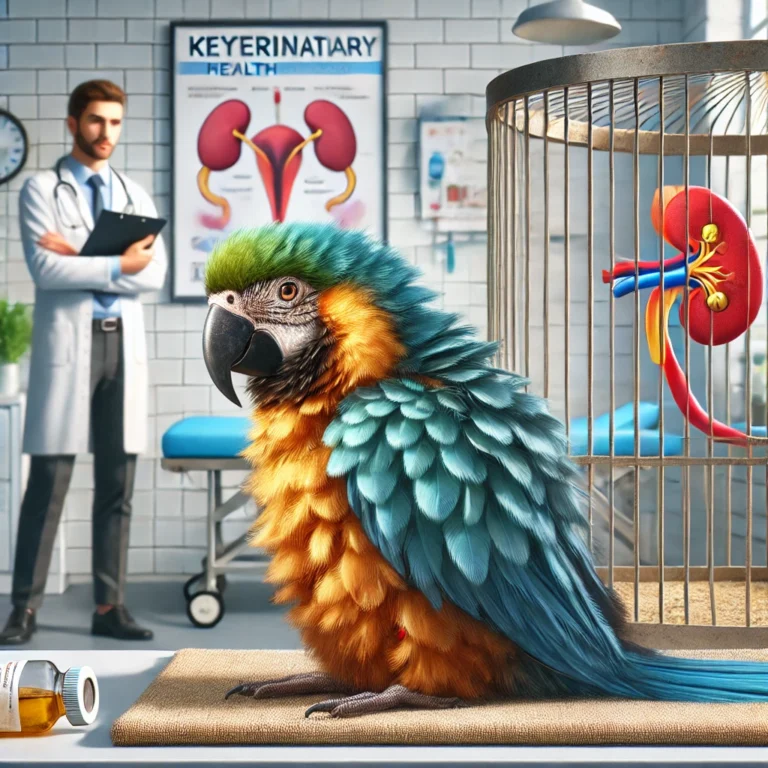
Routine health checks are the cornerstone of long‑term wellbeing. An avian veterinary specialist should examine your macaw at least once a year, with additional visits if you notice changes in appetite, droppings, or feather condition. Key health indicators to monitor include:
- Weight: Maintain a stable weight appropriate for the species (typically 2.5‑3.5 lbs).
- Feather quality: Look for smooth, glossy feathers without bald patches.
- Respiratory sounds: Ensure no wheezing or persistent sneezing.
- Beak and nail growth: Trim as needed to avoid overgrowth.
Vaccinations against polyomavirus and routine blood work can detect early signs of disease. The Centers for Disease Control and Prevention (CDC) provides guidelines on zoonotic disease prevention for bird owners. Early intervention, along with a diet rich in antioxidants, can mitigate the risk of common macaw ailments such as psittacine beak and feather disease (PBFD).
Conclusion
Providing a thriving home for a Green‑Winged Macaw requires attention to spacious housing, a varied and balanced diet, ongoing enrichment, and proactive health care. By following these evidence‑based guidelines, you’ll create an environment where your macaw can flourish for decades. Ready to give your Green‑Winged Macaw the best possible life? Contact a certified avian veterinarian today and start customizing a care plan that meets every need of your magnificent companion.
Frequently Asked Questions
Q1. How large should a Green‑Winged Macaw cage be?
A cage for a single Green‑Winged Macaw should be at least 96 inches long, 48 inches wide, and 72 inches high. This provides enough room for flight and exercise, which reduces stress. Bar spacing must be no more than ¾ inch to prevent escapes. Adding perches of varying diameters further promotes foot health.
Q2. What is the ideal diet composition for a Green‑Winged Macaw?
The balanced diet consists of 20‑30% fresh fruits and vegetables, 20% high‑quality pellets, and the rest as seeds, nuts, and legumes. Vital nutrients include Vitamin A from leafy greens, calcium from cuttlefish bone and kale, and essential fatty acids from walnuts and flaxseed oil. Avoid toxic foods such as avocado, chocolate, caffeine, and high‑salt snacks. Fresh water should be changed daily.
Q3. How often should I provide enrichment for my macaw?
Enrichment should be varied daily, with new puzzles or toys introduced every 2‑3 days to keep the bird interested. Foraging games, auditory rainforest sounds, and short training sessions using positive reinforcement are especially effective. Consistent mental stimulation helps prevent feather plucking and other stress‑related behaviors. Aim for at least 3‑4 hours of interactive time each day.
Q4. What health signs indicate a problem in my macaw?
Watch for sudden weight loss or gain, fluffed or dull feathers, and any bald patches. Respiratory issues such as wheezing, persistent sneezing, or discharge are warning signs. Changes in droppings, beak overgrowth, or nail problems also require veterinary attention. Early detection and treatment are key to preventing serious diseases like PBFD.
Q5. How frequently should I schedule veterinary visits?
An avian veterinarian should examine your Green‑Winged Macaw at least once a year for a comprehensive health check. Additional visits are needed if you notice appetite changes, abnormal droppings, or feather condition issues. Annual blood work and vaccinations, such as for polyomavirus, help catch diseases early. Establishing a relationship with a certified avian vet ensures prompt care when emergencies arise.