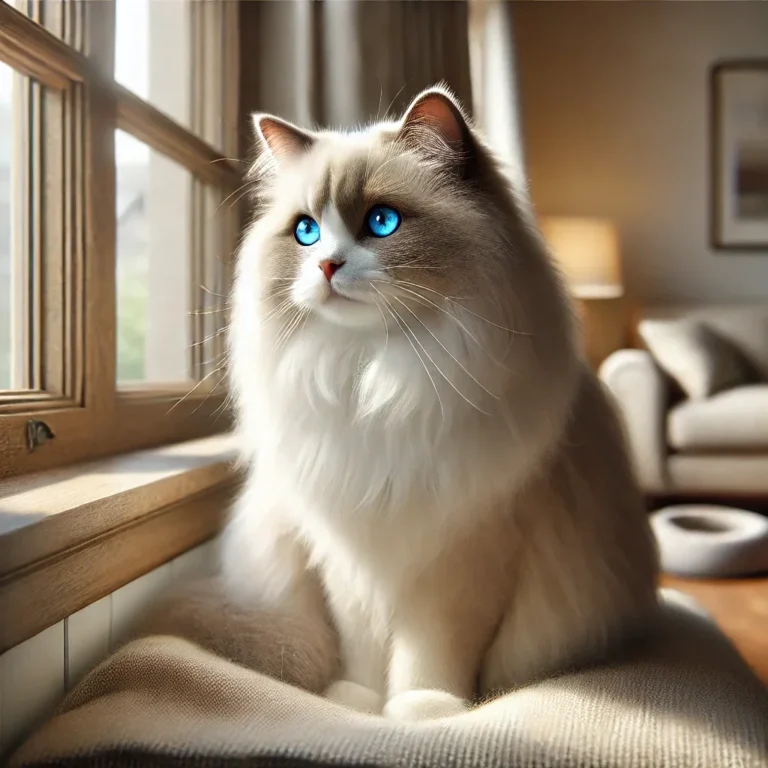
Friendly Cute Cats for Indoor Families
Choosing a pet for a bustling household can feel like a high‑stakes puzzle, especially when you want a companion who is both affectionate and low‑maintenance. Friendly cute cats for indoor families have become a popular solution because they combine playful charm with a calm temperament that fits well with children, seniors, and busy schedules. In this guide we’ll explore the traits that define a truly family‑friendly feline, highlight the most adorable breeds that thrive inside, and share proven strategies for creating a harmonious home that keeps everyone – whiskers included – happy and healthy.
Understanding What Makes Cats Friendly
Friendliness in cats is less about breed alone and more about genetics, early socialization, and individual personality. Research from the American Veterinary Medical Association (AVMA) shows that kittens exposed to gentle handling, varied sounds, and positive human interaction during the first 12 weeks are significantly more likely to stay sociable as adults. Cat temperament can also be shaped by environment; a quiet, predictable home reduces stress‑related behaviors such as hiding or aggression. When evaluating a potential pet, look for signs like a relaxed body posture, slow blinking, and a willingness to approach you without hissing. These cues indicate a cat that is naturally inclined to be a friendly companion.
Cute Breeds Perfect for Indoor Living
- Ragdoll – Known for their floppy, “puppy‑like” demeanor, Ragdolls enjoy being held and often follow their owners from room to room.
- British Shorthair – With a plush coat and a calm disposition, this breed adapts well to quiet indoor environments.
- Scottish Fold – Their signature folded ears and affectionate nature make them excellent lap cats.
- Munchkin – Short‑legged and playful, Munchkins love interactive toys and thrive in family settings.
- American Curl – Their unique ear shape and curious personality make them engaging companions for children.
While breed can set a baseline, each cat’s individual history matters. Adopt from shelters that provide behavior assessments, and ask staff about a cat’s interaction with other animals and people. Many mixed‑breed cats exhibit the same friendly, cute qualities that purebreds are praised for, often at a lower cost and with the added benefit of supporting rescue efforts.
How to Foster a Calm Home Environment
Creating a space where indoor cats feel secure reduces anxiety and encourages sociable behavior. Start with vertical territory: cat trees, wall‑mounted shelves, and window perches let them observe household activity from a safe height. According to the ASPCA’s cat behavior guide, providing at least one dedicated “quiet zone” helps shy cats retreat when they need a break.
Routine is another cornerstone. Feed, play, and groom at consistent times each day to reinforce predictability. Interactive play sessions using feather wands or laser pointers stimulate hunting instincts and burn excess energy, preventing destructive behavior. Additionally, consider using pheromone diffusers such as Feliway, which emit the synthetic version of the facial pheromone cats use to mark safe spaces.
Safety measures are essential for indoor families. Secure windows with sturdy screens, keep cords and toxic plants out of reach, and use child‑proof latches on cabinets that store cleaning supplies. The Centers for Disease Control and Prevention outlines best practices for preventing zoonotic diseases, emphasizing regular veterinary check‑ups and prompt litter box cleaning.
Common Questions About Indoor Cats
- Do indoor cats get enough exercise? Yes, when provided with stimulating toys, climbing structures, and daily play, indoor cats can meet their activity needs and maintain a healthy weight.
- Will my cat become bored? Boredom can lead to behavioral issues. Rotate toys weekly, introduce puzzle feeders, and schedule short training sessions to keep their minds engaged.
- Can indoor cats be trained? Absolutely. Clicker training works well for teaching basic commands like “come” or “sit,” and can strengthen the bond between cat and family.
- How often should I litter‑box clean? Ideally daily scooping and a full change weekly. A clean box encourages proper elimination habits and reduces odor.
Answering these questions helps families feel confident about integrating a cat into their home. For deeper insight on feline health standards, consult the National Center for Biotechnology Information review on indoor cat welfare, which recommends regular veterinary visits and environmental enrichment.
Conclusion
Bringing friendly cute cats for indoor families into your home can enrich daily life with affection, entertainment, and companionship. By selecting breeds known for sociable temperaments, fostering a predictable, enriched environment, and staying informed on best care practices, you set the stage for a harmonious relationship that benefits both the feline and every family member. Ready to meet your new furry friend? Explore local shelters, attend adoption events, and give a deserving cat the loving indoor life they deserve.
Frequently Asked Questions
Q1. What traits make a cat friendly for indoor families?
Friendly indoor cats typically display a relaxed body posture, slow blinking, and a willingness to approach without hissing. Early socialization, gentle handling, and a predictable environment reinforce these traits. Genetics and breed can influence temperament, but individual personality matters most.
Q2. Which breeds are most suitable for a family home?
Breeds such as the Ragdoll, British Shorthair, Scottish Fold, Munchkin, and American Curl are renowned for their calm, affectionate nature and adaptability to indoor living. They enjoy human interaction and often get along well with children and seniors. Mixed‑breed cats that have been assessed for temperament can also be excellent companions.
Q3. How can I keep my indoor cat physically and mentally stimulated?
Provide vertical space like cat trees, wall shelves, and window perches so your cat can observe activity from a safe height. Daily interactive play with feather wands, laser pointers, or puzzle feeders mimics hunting instincts and burns energy. Rotating toys weekly and offering scratching posts further enriches their environment.
Q4. Is it safe for children to interact with indoor cats?
Yes, when children are taught gentle handling and respect for the cat’s signals, interactions are usually safe and beneficial. Supervised play teaches empathy and responsibility, while cats that enjoy lap time often become a calming presence for kids. Always ensure the cat has a quiet retreat where it can escape if it feels overwhelmed.
Q5. What health checks are essential for an indoor cat?
Regular veterinary exams at least once a year, up‑to‑date vaccinations, and parasite prevention are foundational. Keep the litter box clean daily and monitor weight to avoid obesity. Consider annual dental cleanings and discuss flea‑free indoor living with your vet.