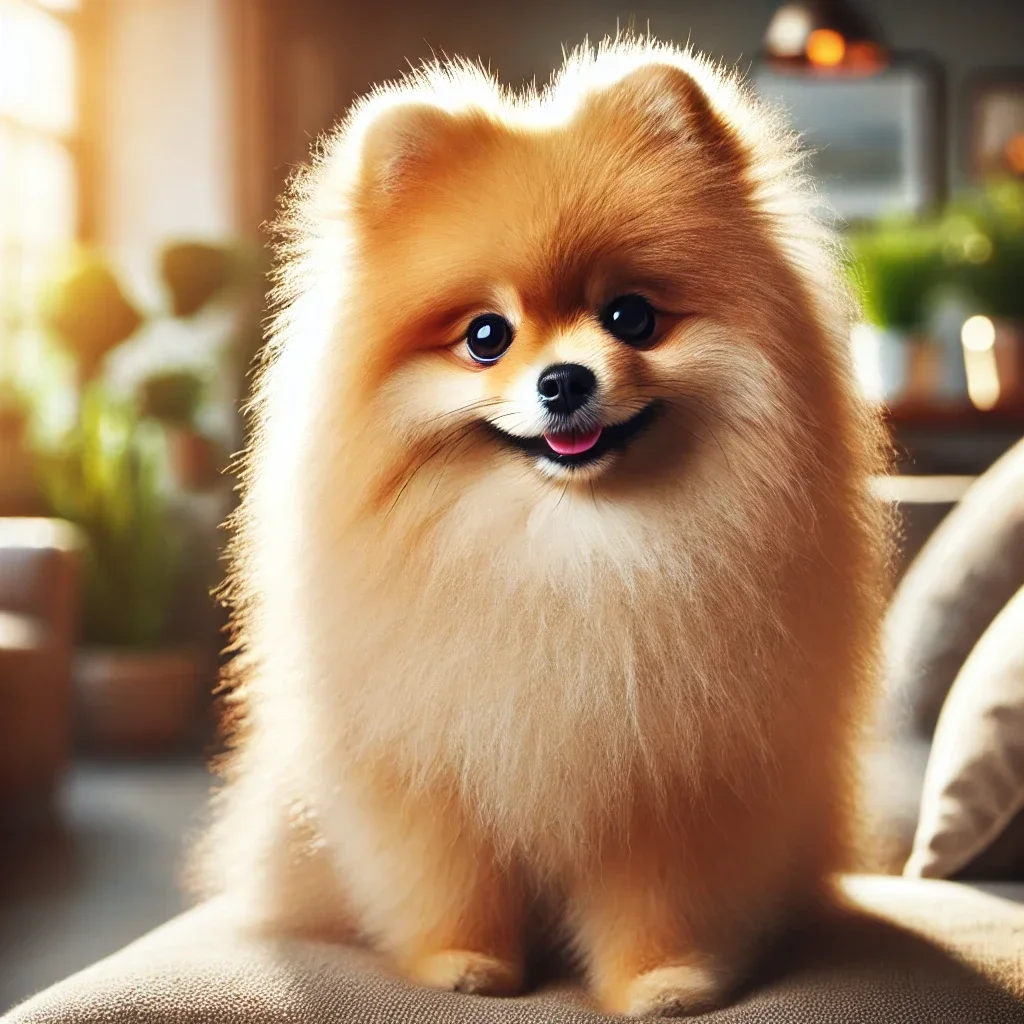
Fluffy Dog Breeds Melt Hearts
There’s something undeniably charming about a dog that looks like a walking cloud. Fluffy dog breeds have a way of melting hearts the moment they trot into a room, their soft coats and friendly eyes instantly sparking affection. Whether you’re scrolling through social media, visiting a shelter, or simply watching a family play in the backyard, the appeal of a fluffy companion is universal. In this guide we’ll explore why these breeds are so beloved, which ones fit various lifestyles, and how to keep that gorgeous coat healthy and vibrant.
Why Fluffy Dog Breeds Capture Hearts
First, the visual appeal of a plush coat triggers an instinctive “cuddle” response in many people. The softness mirrors the comforting feeling of a warm blanket, creating a built‑in bond that encourages petting and closeness. Beyond looks, many fluffy breeds are known for gentle temperaments, making them excellent family pets and therapy dogs. Their extra fur also offers a natural “buffer” in colder climates, which historically made them popular companions for outdoor work and hunting. Modern owners, however, cherish them simply for the joy they bring to everyday life.
Top Fluffy Dog Breeds for Families
Choosing the right breed involves matching temperament, size, and grooming needs with your household routine. Below are some of the most beloved fluffy dog breeds that consistently rank high in family satisfaction surveys.
- Golden Retriever – Renowned for their friendly nature and intelligence, Goldens sport a dense, water‑resistant coat that shines with health. Learn more on Wikipedia.
- Samoyed – Famous for the “Sammy smile,” this Arctic‑origin breed boasts a thick, white double coat that stays soft even in sub‑zero temperatures. See details at the American Kennel Club.
- Poodle (Standard, Miniature, or Toy) – Highly intelligent and hypoallergenic, Poodles have a curly, dense coat that rarely sheds, ideal for allergy‑sensitive families. More information at Wikipedia.
- Shih Tzu – A small companion breed with a luxuriously long, flowing coat, perfect for apartments and indoor living. Their gentle disposition makes them great with children. Read about them on the ASPCA site.
- Alaskan Malamute – Built for strength and endurance, Malamutes carry a deep, weather‑proof coat that looks majestic in motion. They thrive with active families who enjoy outdoor adventures. Detailed profile at Wikipedia.
Caring for Fluffy Dog Breeds
Maintaining a plush coat isn’t just about aesthetics; it’s essential for your dog’s skin health and overall comfort. Here are proven dog grooming tips that work across most fluffy breeds:
- Regular Brushing – Daily brushing removes loose hair, prevents matting, and distributes natural oils. For double‑coated breeds like Samoyeds, a slicker brush works best.
- Bathing Schedule – Bathe every 4‑6 weeks using a gentle, dog‑specific shampoo. Over‑bathing can strip oils, leading to dry skin.
- Coat Trimming – While most fluffy breeds keep their full length, periodic trimming around paws and the rear can reduce debris buildup.
- Nutrition – High‑quality protein and omega‑3 fatty acids support a shiny, resilient coat. Look for foods enriched with DHA and EPA.
- Professional Grooming – Schedule a professional grooming session at least twice a year for breeds with complex fur patterns, such as the Poodle.
Choosing the Right Fluffy Dog Breeds for Your Lifestyle
Before adopting, ask yourself a few key questions. Do you have ample space for a large, energetic dog, or would a compact companion better suit a city apartment? Are you looking for a hypoallergenic breed that sheds minimally? How much time can you dedicate to grooming each week? Answering these will help narrow down the ideal fluffy dog breeds for you.
For active families who love hiking, the Alaskan Malamute or the Golden Retriever offers both stamina and a thick coat for cold weather. If you live in an apartment and suffer from allergies, a Standard or Miniature Poodle provides the perfect blend of intelligence and a low‑shedding coat. Meanwhile, the Shih Tzu or a small Bichon Frise excels at providing cuddle‑ready companionship without requiring a large yard.
Don’t forget to consider the time commitment for grooming. Double‑coated breeds often need multiple brushing sessions daily during shedding seasons, while single‑coat dogs like the Labrador Retriever (less fluffy but still soft) require less frequent care. Matching grooming effort with your schedule ensures a happy, healthy pet.
Health Considerations for Fluffy Breeds
Fluffy coats can sometimes mask skin issues. Regular veterinary check‑ups are crucial to catch conditions such as dermatitis, allergies, or parasites early. Certain breeds are predisposed to specific health concerns: Golden Retrievers often face hip dysplasia, while Poodles can be prone to eye problems like cataracts. Understanding these risks enables proactive care and longevity.
Finally, ensure your home environment supports a healthy coat. Keep humidity levels moderate, provide a balanced diet, and avoid excessive sun exposure, which can cause coat fading and skin damage.
Conclusion
Whether you’re drawn to the regal mane of a Samoyed, the playful curls of a Poodle, or the soulful eyes of a Golden Retriever, fluffy dog breeds bring unrivaled joy and comfort to households worldwide. By selecting a breed that aligns with your activity level, grooming commitment, and living space, you’ll set the stage for a lifelong partnership filled with warmth and affection.
Ready to meet your fluffy new friend? Explore our adoption resources today and give a loving home to a dog whose soft coat will melt your heart forever.
Frequently Asked Questions
Q1. What makes fluffy dog breeds so appealing?
Fluffy dog breeds have soft, dense coats that invite touch and create an instant cuddle response. The plush fur resembles a warm blanket, making them visually comforting. Many also possess gentle temperaments, adding to their overall charm.
Q2. Are fluffy dog breeds good for families with children?
Most fluffy breeds, such as Golden Retrievers, Samoyeds, and Shih Tzus, are known for their friendly and patient nature. They typically enjoy playtime and tolerate the occasional rough handling. Always supervise interactions, but they generally make excellent family companions.
Q3. How often should I groom a double‑coated fluffy breed?
Double‑coated breeds benefit from daily brushing to prevent mats and remove loose hair. During shedding seasons, increase brushing to two‑three times a day. Professional grooming every 6‑8 weeks helps maintain coat health.
Q4. Do fluffy breeds shed a lot?
Shedding varies by breed; double‑coated dogs like Samoyeds shed heavily twice a year, while hypoallergenic breeds like Poodles shed minimally. Regular brushing and proper nutrition can reduce excessive shedding. Seasonal shedding is normal and can be managed with routine care.
Q5. What health issues should I watch for in fluffy dog breeds?
Each breed has its own predispositions—Golden Retrievers may develop hip dysplasia, Poodles are prone to eye problems, and Alaskan Malamutes can face joint issues. Frequent skin checks are important because fur can hide irritations. Annual veterinary exams and a balanced diet help catch problems early.