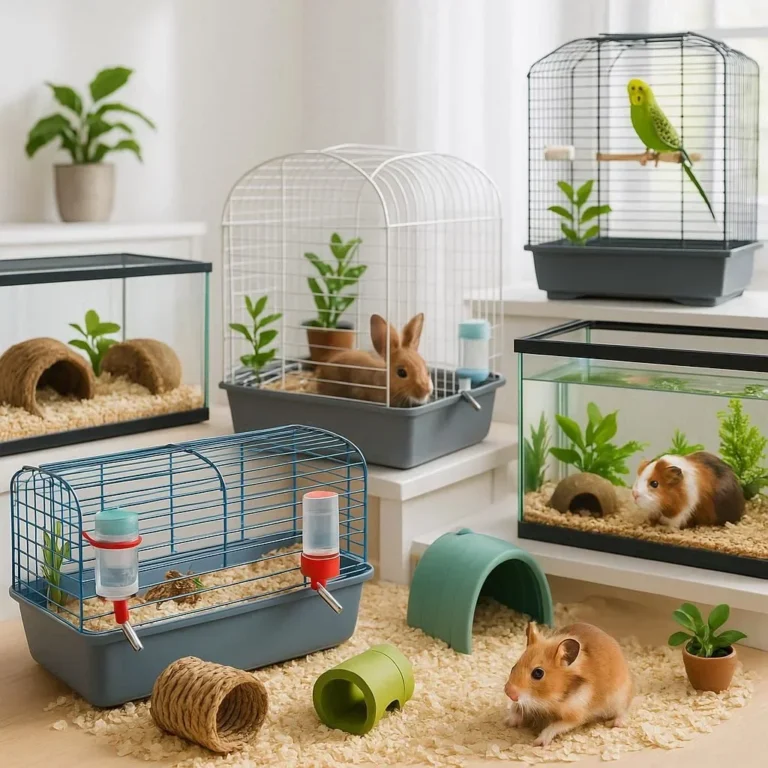
Exotic Small Pets You’ll Love
Ever found yourself daydreaming about a tiny, man‑made miracle that can keep you company, brighten your living room, and offer a unique bonding experience? Exotic small pets—from chirpy budgies to plush chinchillas—have captured the hearts of many in recent years. These miniature companions provide a blend of personality, low‑maintenance appeal, and aesthetic charm that can transform a home into a lively, pet‑friendly sanctuary. Their small stature makes them accessible to apartment dwellers and families alike, while their diverse personalities keep owners intrigued for years.
- Budgies – Feathered friends with vibrant colors
- Sugar Gliders – Furry flying lemurs that love sharing
- Hedgehogs – Spiny, nocturnal companions
- Chinchillas – Plush, billowy shields of luxury
- Pygmy Rabbits – Tiny, energetic, and friendly
Exotic Small Pets – Budgies, Feathered Companions
Budgies, or budgerigars, shine as one of the most beloved small companions worldwide. Their worldwide popularity is reflected in the Budgerigar’s presence in zoos, community clubs, and home coops globally. Bright plumage, playful nature, and ease of training make budgies ideal for anyone seeking a lively pet that is simple to care for. Their social nature means they thrive on interaction, often forming strong bonds with their human caretakers, which adds to their appeal in families with children.
Proper budgie care starts with a well‑balanced diet that includes seeds, fresh fruit, and leafy greens. An appropriately sized cage with ample perching spots should be placed in a bright, draft‑free area. Regular playtime outside of the cage encourages exercise and mental stimulation. Budgies are also creatures of routine; providing a consistent light cycle helps them maintain healthy sleep patterns. Watching a budgie’s cheerful chirps and swirling movements will remind you of the joy that a small exotic pet can bring.
Exotic Small Pets – Sugar Gliders, Furry Flyers
Sugar gliders are marsupial marvels whose diminutive size belies a powerful need for companionship. Because they are nocturnal, they require an environment that mimics twilight hours, with dim lighting and a secure, quiet loft. Official regulation in the UK (UK sugar glider regulation) reflects the increasing demand for these gentle mammals and outlines the ethical considerations and housing standards required by law.
To keep sugar gliders healthy, owners need to provide a varied diet consisting of fruits, vegetables, protein sources, and a regular supply of coconut water. Pair a sugar glider with a compatible companion, as these animals socialize heavily and become lonely if kept alone. Enrichment items such as climbing branches, chew toys, and mirror play can stimulate these intelligent creatures and prevent boredom. Consistent veterinary checks are essential, as sugar gliders may develop respiratory or gastrointestinal issues if their environment is not properly maintained.
Exotic Small Pets – Hedgehogs, Spiny Sweeties
Hedgehogs, small spiny mammals, can make an unexpected but delightful pet choice. Despite their prickly appearance, they are highly adaptable and can thrive in well‑controlled indoor settings. A hedgehog’s soft jink crisp coat seldom picks up allergens, making them an excellent choice for allergy sufferers. Their night‑active lifestyle means you can enjoy watching them nibble on fresh veggies as you unwind after a long day.
Hedgehog care focuses on maintaining a clean, secure enclosure that mimics a natural burrow. The diet should be rich in protein and low in fat; commercially available hedgehog food, supplemented with fresh fruit, is a good baseline. Regular handling each morning builds trust and reduces reportees, ensuring that hedgehogs grow into calm companions. Thermoregulation is crucial due to their small size, so providing a warm, dry bedding area is recommended throughout the night.
Exotic Small Pets – Pygmy Rabbits, Agile Amigos
Pygmy rabbits are small, warm‑blooded mammals that bring the charm of classic rabbits into a condensation suitable for modern domestic life. As an additive that pairs comfort with playful energy, these little bundles of joy thrive in an environment that encourages digging and gnawing. Their lower body temperature means that they are sensitive to temperature fluctuations, so keeping living spaces at a moderate, constant climate is essential.
Dietary needs for pygmy rabbits center on high‑fibre hay, which keeps their digestive system functioning efficiently. Fresh lettuce, carrots, and a limited amount of rabbit pellets can supplement their nutrition. Pygmy rabbits also enjoy sensory enrichment: providing chewable branches or textured toys will encourage natural behaviors and stave off boredom. Like all small pets, it’s vital to monitor their weight, grooming habits, and overall behavior to catch any medical concerns early.
Exotic Small Pets – Chinchillas, Plush Pals
Chinchillas belong to a family that includes some of the world’s most densely furred mammals, and they are natural experts at keeping cool in hot climates. Their clingy personalities, coupled with an elegant coat, make them prized among small exotic pet owners. Originally from the arid Andes, chinchillas evolved to keep warm during chilly nights, a trait that influences how they are cared for today and why they thrive on high elevation ^Chinchilla care guidelines emphasize these traits.
Creating a safe, temperature‑controlled shelter is paramount, as chinchillas are prone to respiratory distress when exposed to damp or cold air. Their diet is equally critical: a mix of high‑quality chinchilla pellets, water, and short daily portions of fresh leafy greens ensures balanced nutrition. To prevent claw overgrowth, owners routinely inspect and trim their small nails. Daily “dampened dust” sessions help maintain the softness of their fur while promoting overall skin health.
Care Checklist for Your Exotic Small Pet
- Provide a spacious, secure enclosure with proper ventilation.
- Offer a balanced diet tailored to each species’ specific nutritional needs.
- Regularly schedule playtime and mental enrichment to prevent boredom.
- Maintain a stable, species‑appropriate temperature and humidity level.
- Schedule routine veterinary examinations to monitor health and address concerns early.
- Schedule daily social interaction to build trust and reduce stress.
Ready to welcome an exotic small pet into your home? Explore the world of Exotic Small Pets today and find the perfect companion that fits your lifestyle and space. Click below to start your journey and open the door to a new friendship!
Frequently Asked Questions
Q1. What qualifies as an exotic small pet?
Exotic small pets are animals that are not commonly found in mainstream pet markets and are typically smaller in size. They include species such as budgerigars, sugar gliders, hedgehogs, chinchillas, and pygmy rabbits. These pets often have unique care requirements, dietary needs, and social behaviors that set them apart from traditional household pets. Owners should research each species thoroughly before committing to ensure they can meet these specific needs.
Q2. Are exotic small pets suitable for apartment living?
Yes, many exotic small pets adapt well to apartment environments due to their compact size and low space requirements. Budgies, sugar gliders, and hedgehogs, for instance, can thrive in well‑ventilated cages or enclosures that fit on a tabletop. However, owners must provide adequate enrichment, quiet periods, and suitable thermoregulation to keep them healthy in confined spaces.
Q3. What is the typical lifespan of common exotic small pets?
The lifespan varies by species. Budgies live 5–10 years on average, sugar gliders 8–12 years, hedgehogs 4–7 years, chinchillas 10–12 years, and pygmy rabbits about 5–7 years. Proper nutrition, regular vet check‑ups, and mental stimulation can help extend their lives.
Q4. Do these pets make a lot of noise?
Noise levels differ: budgies can chirp loudly, especially during playtime, but they quiet down at night. Sugar gliders are generally quiet when idle but may vocalize at dusk. Hedgehogs and chinchillas are silent by day, making them ideal for noise‑conscious environments. Pygmy rabbits are quiet indoors, though they may occasionally vocalize when excited.
Q5. What kind of training or socialization do exotic small pets require?
While many exotic small pets are largely self‑sufficient, they benefit from routine social interaction and mental stimulation. Budgies can learn simple commands and tricks with gentle encouragement. Sugar gliders thrive on pair bonding and may need socialization with compatible companions. Hedgehogs should be handled gently each morning to build trust, while chinchillas benefit from daily dust bathing and enrichment toys. Pygmy rabbits enjoy gentle handling to remain tame and safe for their owners.