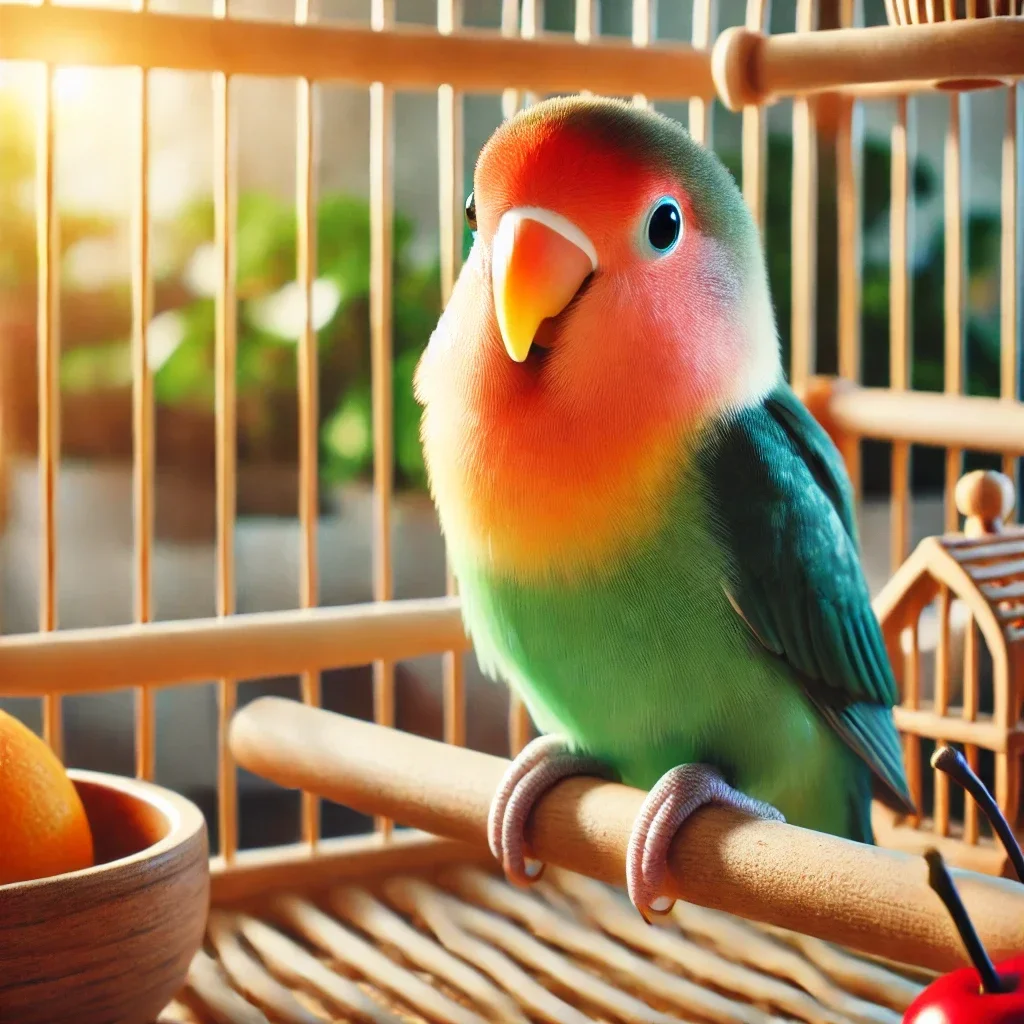
Exotic Cute Birds as Pets
When you hear the phrase exotic cute birds, images of vividly colored plumage and melodious chirps often spring to mind. While parrots and canaries dominate the mainstream pet market, a handful of rare avian species captivate dedicated enthusiasts with their unique looks and personalities. Owning these extraordinary feathered companions requires more than fascination—it demands research, commitment, and compliance with local regulations. In this guide we explore the most enchanting exotic cute birds few people own, the legal landscape surrounding them, and the essential care they need to thrive in a home setting.
Understanding the Appeal of Exotic Cute Birds
Bird lovers are drawn to exotic cute birds for several reasons. First, their striking colors and unusual patterns provide a visual feast that typical cage birds lack. Second, many of these species possess sophisticated vocalizations or playful behaviors that foster a deep bond with their owners. Finally, caring for a rare bird can be a rewarding challenge that showcases an owner’s dedication to avian welfare.
Legal Considerations and Permits
Before acquiring any exotic bird, it is crucial to verify its legal status in your country, state, or municipality. Some species are listed under the Convention on International Trade in Endangered Species (CITES), requiring permits for import and ownership. In the United States, the U.S. Fish and Wildlife Service outlines the licensing process for CITES‑listed birds. Likewise, European nations reference the EU Wildlife Trade Regulations. Failure to secure proper documentation can result in fines, seizure of the bird, or criminal charges. Always consult local wildlife authorities and reputable breeders before making a purchase.
Essential Care Requirements
Exotic cute birds are not merely decorative pets; they require specialized nutrition, environmental enrichment, and veterinary support. Here are the core pillars of responsible avian care:
- Dietary Balance: Many exotic species thrive on a mix of fresh fruits, vegetables, insects, and formulated pellets. For instance, lorikeets need a high‑nectar diet rich in sugars, while African greys require nuts and seeds for cognitive health.
- Space and Flight: A spacious aviary or large cage (minimum 2 × 3 × 2 meters for medium‑sized species) permits natural flight, muscle development, and mental stimulation.
- Social Interaction: These birds are highly social and can develop behavioral issues without regular interaction, either with humans or conspecifics.
- Veterinary Oversight: Regular check‑ups with an avian‑specialized veterinarian are essential. The American Veterinary Medical Association provides a directory of qualified professionals.
Top Five Exotic Cute Birds You Can Own
Below is a curated list of the most captivating exotic cute birds that responsibly kept owners can legally obtain in many regions. Each entry includes a brief overview, care tips, and an authoritative reference.
- Coconut Lorikeet (Trichoglossus haematodus) – Known for its vibrant green body and orange head, this nectar‑loving bird flourishes on fruit purees and requires a humidity‑controlled environment. More details can be found on Wikipedia.
- African Grey Parrot (Papiohomo) – Renowned for its intelligence and ability to mimic human speech, the African grey demands mental enrichment through puzzles and regular social interaction. See the BirdLife Australia profile for conservation status.
- Quaker Parakeet (Myiopsitta monachus) – Also called the monk parakeet, this species builds communal nests and thrives in group settings. Their adaptable diet makes them a popular choice among advanced hobbyists. Refer to All About Birds for detailed behavior notes.
- Blue‑Crowned Hanging Parrot (Loriculus galgulus) – With a striking blue crown and a playful habit of hanging upside down, this tiny bird requires a diet rich in fruits and nectar. Information on habitat and care is available on RSPB.
- Green‑Winged Macaw (Ara chloropterus) – Smaller than its larger cousins, the green‑winged macaw boasts dazzling reds, yellows, and blues. It needs a large flight area, a varied diet, and strong mental enrichment. The World Parrot Trust provides comprehensive care guidelines.
Challenges and Rewards of Keeping Rare Pet Birds
Owning exotic cute birds is not without obstacles. Their rarity often translates into higher acquisition costs, limited availability of specialized feed, and stricter legal oversight. Additionally, many of these birds have long lifespans—some exceeding 50 years—so owners must plan for long‑term commitment. However, the rewards can be profound: the joy of watching a bird perform intricate flight patterns, the satisfaction of fostering a species that might otherwise face habitat loss, and the deep companionship that develops over years of shared experience.
Conclusion: Bring an Exotic Cute Bird Home Today
If you are ready to embark on a rewarding journey with one of these extraordinary feathered friends, start by researching the legal requirements in your area, connecting with a qualified avian veterinarian, and selecting a reputable breeder or rescue organization. By providing proper nutrition, spacious housing, and daily interaction, you can ensure that your exotic cute bird thrives and becomes a beloved member of your household. Take the first step now—visit your local bird‑watching society or avian specialty store to learn more about responsible ownership.
Frequently Asked Questions
Q1. What legal permits are needed for exotic cute birds?
Ownership of exotic cute birds often requires a CITES permit or a local wildlife license. In the U.S., the U.S. Fish and Wildlife Service issues these permits, while European countries follow EU Wildlife Trade Regulations. Always check with your regional authority before purchasing.
Q2. How much space does an exotic cute bird need?
Most medium‑sized exotic birds need at least a 2 × 3 × 2 meter aviary to allow regular flight. Larger species, such as macaws, require even more room and a high ceiling. Providing ample space prevents boredom and promotes physical health.
Q3. What is the best diet for a coconut lorikeet?
Coconut lorikeets thrive on a nectar‑rich diet consisting of commercial nectar mixes, fresh fruit purees, and occasional insects. Avoid seed‑heavy foods, as they can cause obesity. Fresh water should be available at all times.
Q4. How often should I take my exotic bird to the vet?
Schedule a full health check with an avian‑specialized veterinarian at least once a year. More frequent visits may be needed for birds with known health issues or after any sudden change in behavior or appetite.
Q5. Can exotic cute birds live a long life in captivity?
Yes, many species like African grey parrots and green‑winged macaws can live 40–60 years when cared for properly. Long‑term commitment includes providing mental enrichment, proper nutrition, and regular veterinary care.