Exotic and Cute Birds
Keeping exotic and cute birds as companions has surged in popularity over the past decade, driven by their striking colors, playful personalities, and compact size that fits urban living. Prospective owners often wonder which species combine visual appeal with manageable care requirements. In this guide we explore the most beloved exotic and cute birds, essential husbandry basics, legal considerations, and tips for creating a thriving aviary at home.
Why Choose Exotic and Cute Birds?
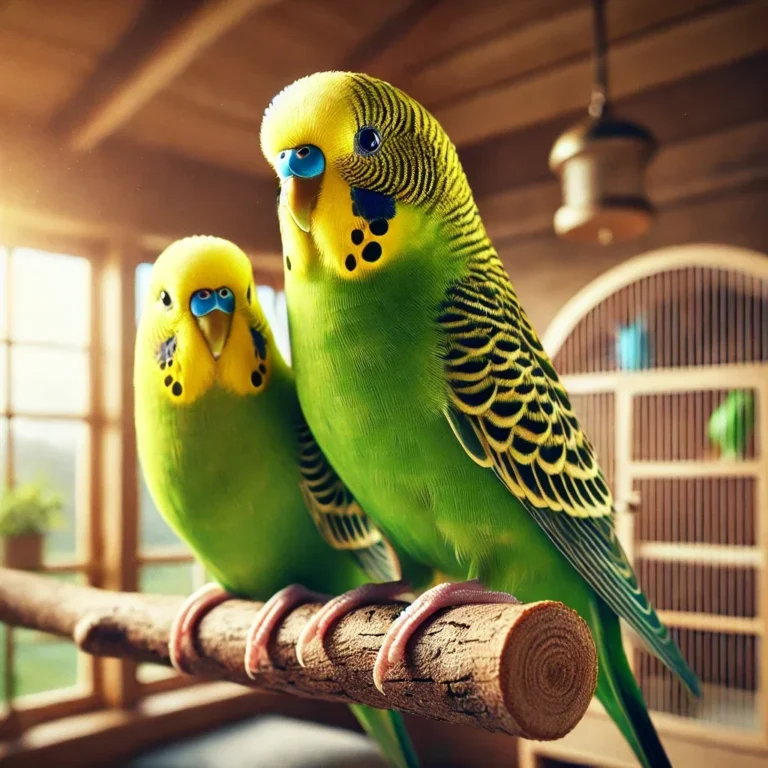
Unlike traditional pets such as dogs and cats, exotic birds offer a unique blend of intelligence, vocalization, and social interaction. Their bright plumage can brighten any room, while many species develop strong bonds with their human caregivers. For apartment dwellers, smaller parrots like budgerigars (often called “budgies”) and lovebirds provide the allure of a tropical pet without demanding extensive space.
Top Species for First-Time Owners
Below is a curated list of bird species that consistently rank high for both exotic appeal and beginner friendliness. Each bird combines vivid coloration with a temperament that tolerates regular handling.
- Budgerigar – Small, highly trainable, and an excellent talker.
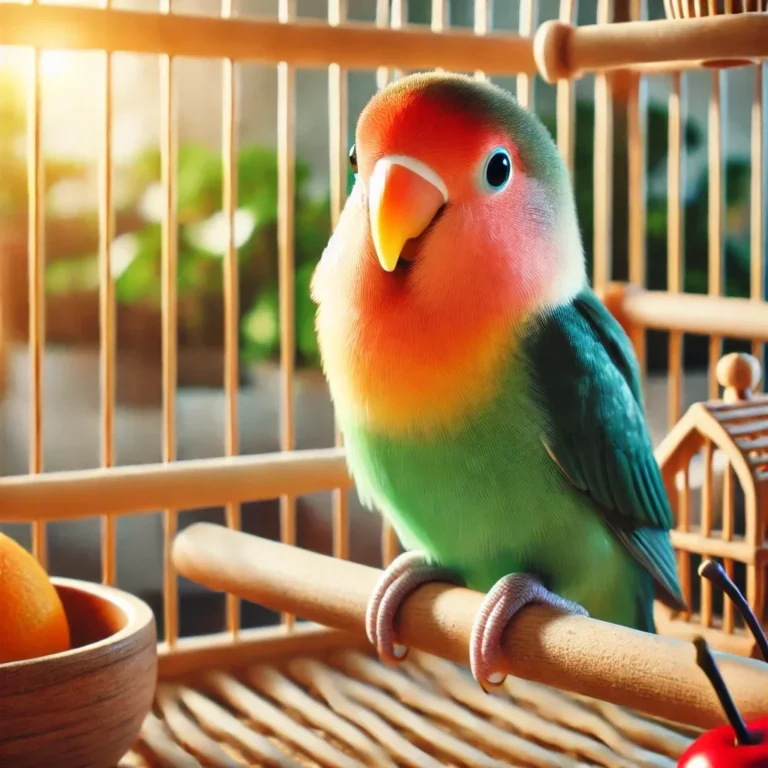
- Lovebird – Brightly colored, social, and thrives on pair bonding.
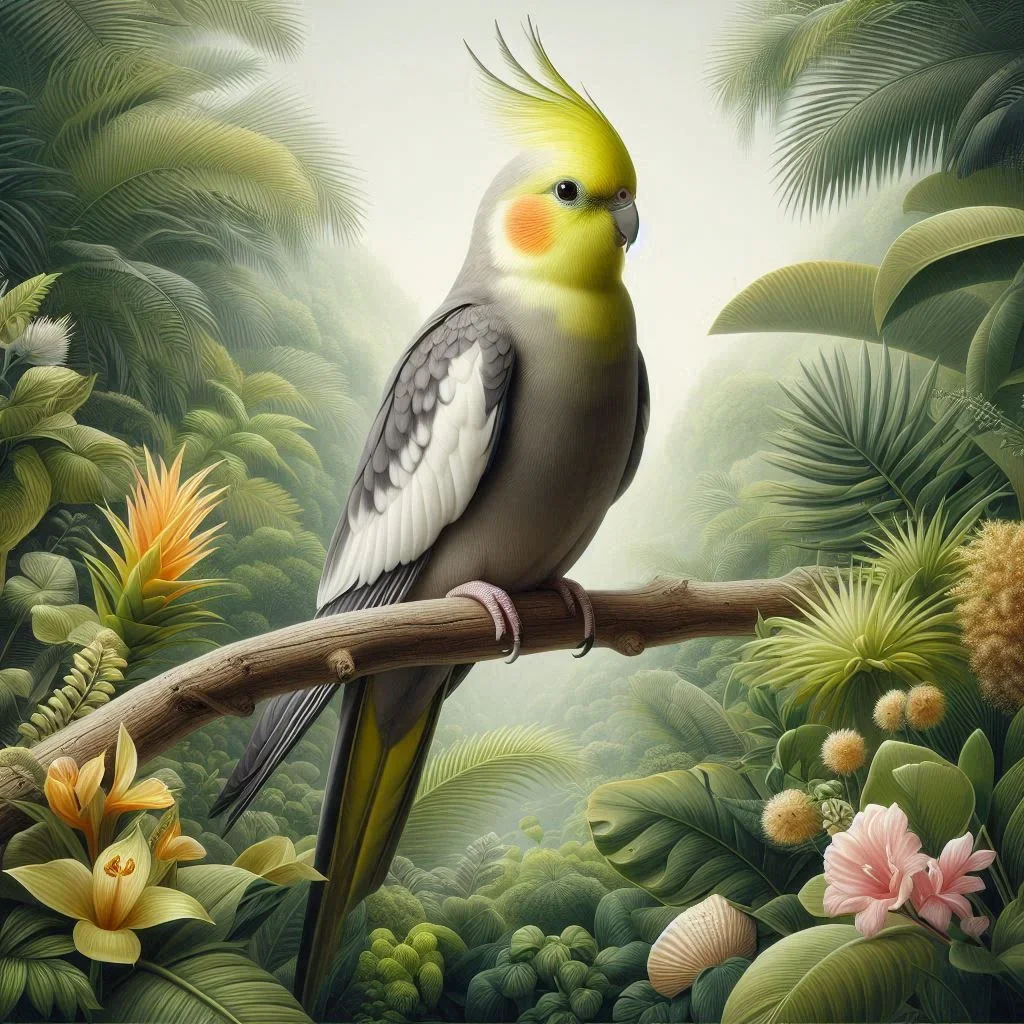
- Cockatiel – Known for its whistling and crest display; gentle with children.
- Green‑cheeked Conure – Compact, playful, and offers a modest talking ability.
- Pionus Parrot – Medium‑sized, quiet, and enjoys puzzle toys.
Fundamental Care Requirements
Regardless of species, all exotic and cute birds share core needs that form the foundation of responsible pet bird care.
- Nutrition: A balanced diet includes high‑quality seed or pellet mixes, fresh vegetables, fruits, and occasional protein sources. Overreliance on seeds can lead to obesity and vitamin deficiencies.
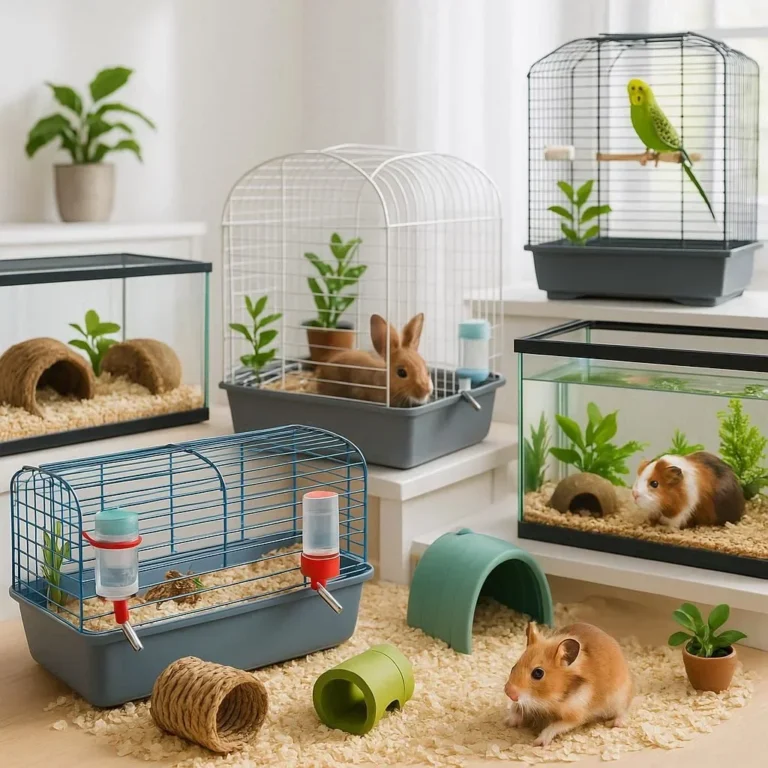
- Housing: Provide a spacious cage (minimum 18×18×24 inches for small parrots) with non‑toxic perches, toys, and safe cuttlebone for beak health. For larger species, consider a dedicated aviary or flight area.
- Social Interaction: Most exotic birds are highly social and require daily out‑of‑cage time and mental stimulation. Interactive toys, foraging puzzles, and training sessions reduce stress and prevent feather plucking.
- Health Monitoring: Regular veterinary check‑ups with an avian specialist are crucial. Watch for signs of respiratory distress, abnormal droppings, or changes in appetite.
For in‑depth guidance on nutrition, the Audubon Society offers downloadable bird‑care fact sheets that outline species‑specific dietary needs.
Legal and Ethical Considerations
Before bringing an exotic bird home, verify that the species is legal to own in your state or country. Some parrots are protected under the U.S. Fish and Wildlife Service regulations, requiring permits or outright bans. Additionally, source birds from reputable breeders or rescues that follow ethical breeding practices; avoid the illegal wildlife trade, which threatens biodiversity worldwide.
Creating an Enriching Aviary Environment
An enriching habitat mimics elements of a bird’s natural ecosystem, encouraging natural behaviors. Here are practical steps to design a stimulating aviary:
- Incorporate varied perches of different diameters and textures to promote foot health.
- Hang foraging toys that conceal seeds or nuts, stimulating problem‑solving skills.
- Provide safe, pesticide‑free foliage or branches for chewing and nest‑building instincts.
- Maintain optimal humidity and temperature levels according to the species’ native climate; many tropical birds thrive at 70–80°F and 50‑60% humidity.
Resources from the Cornell Lab of Ornithology include detailed guides on environmental enrichment for captive parrots.
Training and Bonding Tips
Training not only teaches tricks but also strengthens trust. Use positive‑reinforcement techniques such as treat rewards and gentle praise. Short, frequent sessions (5‑10 minutes) are more effective than occasional lengthy workouts. Consistency in cue words helps the bird associate commands with actions, making daily care tasks—like stepping onto a hand for grooming—easier.
Conclusion
Choosing an exotic and cute bird as a pet can be a rewarding experience that brings color, song, and companionship into your home. By selecting the right species, providing proper nutrition, ensuring legal compliance, and creating an enriching environment, you set the stage for a healthy, happy feathered friend. Ready to embark on this vibrant journey? Explore our detailed care guides and start your avian adventure today—your perfect exotic and cute bird awaits!
Frequently Asked Questions
Q1. What are the best exotic and cute birds for beginners?
Budgerigars, lovebirds, cockatiels, green‑cheeked conures, and Pionus parrots are top choices. They combine vivid colors with manageable size and temperament. These species adapt well to home environments and are trainable. Regular social interaction keeps them happy.
Q2. How should I feed an exotic pet bird?
A balanced diet includes high‑quality seed or pellet mixes, fresh vegetables, fruits, and occasional protein such as boiled egg. Seeds alone can cause obesity, so incorporate pellets and fresh foods daily. Always provide clean water and remove uneaten perishable food after a few hours.
Q3. What size cage does my bird need?
Small parrots require at least an 18×18×24‑inch cage, while larger species need more floor space and vertical room. Provide non‑toxic perches, toys, and a cuttlebone. The cage should allow the bird to stretch its wings fully without touching the sides.
Q4. Are there legal restrictions on owning exotic birds?
Yes, many countries and states regulate ownership of certain parrot species under the U.S. Fish and Wildlife Service or CITES. Some birds need permits, while others are prohibited entirely. Always check local wildlife agencies before purchasing.
Q5. How can I make my home aviary more enriching?
Include varied perches, foraging toys, and safe natural branches for chewing. Maintain proper humidity and temperature resembling the bird’s native climate. Rotate toys regularly and provide daily out‑of‑cage time for exercise and mental stimulation.