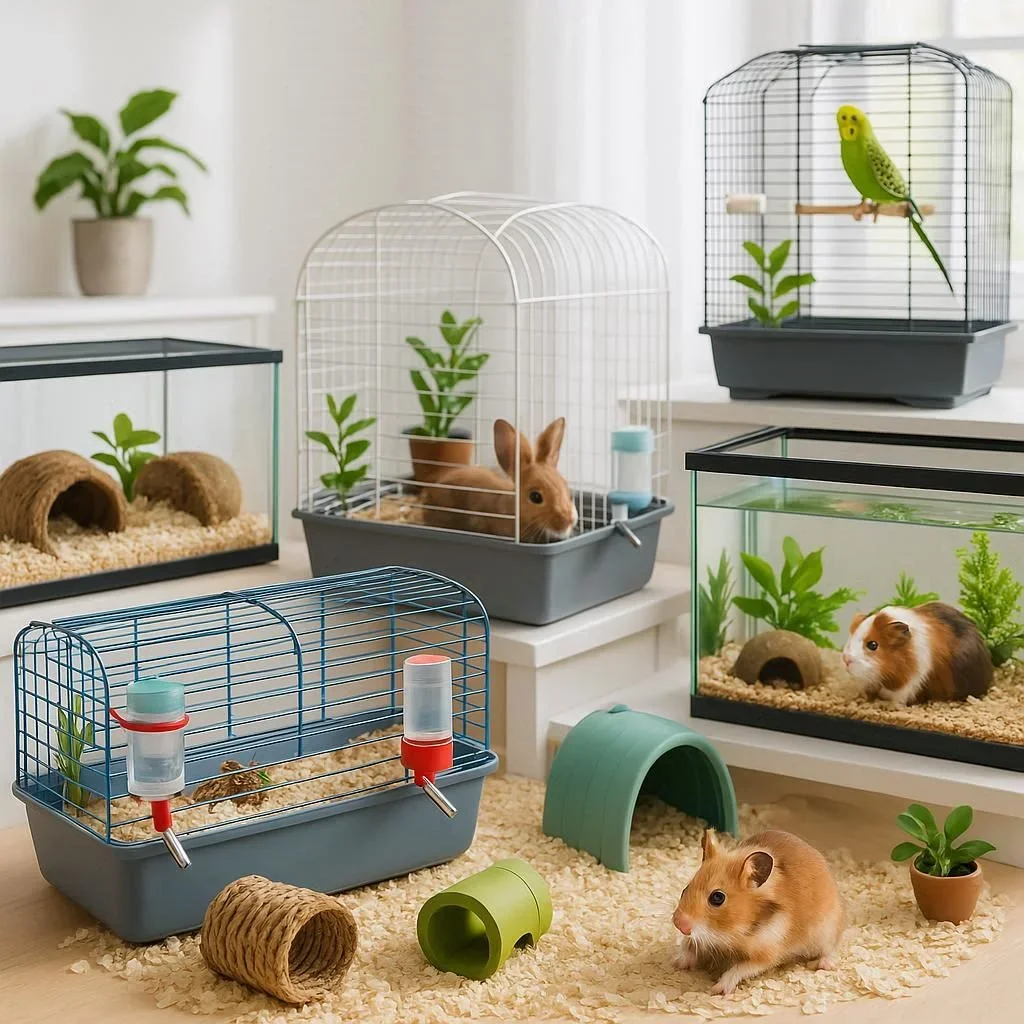
Essential Bird Care Guide
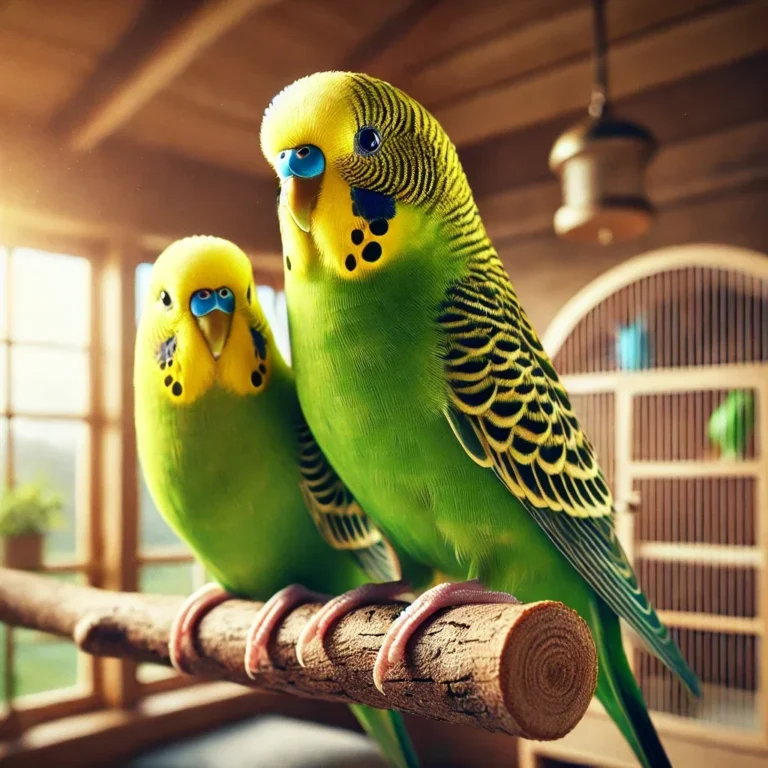
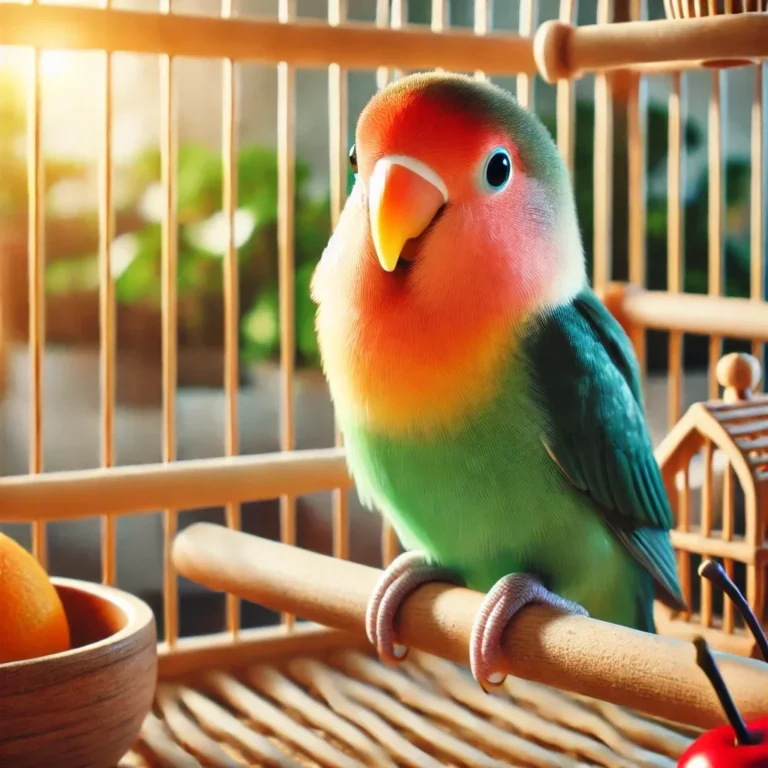
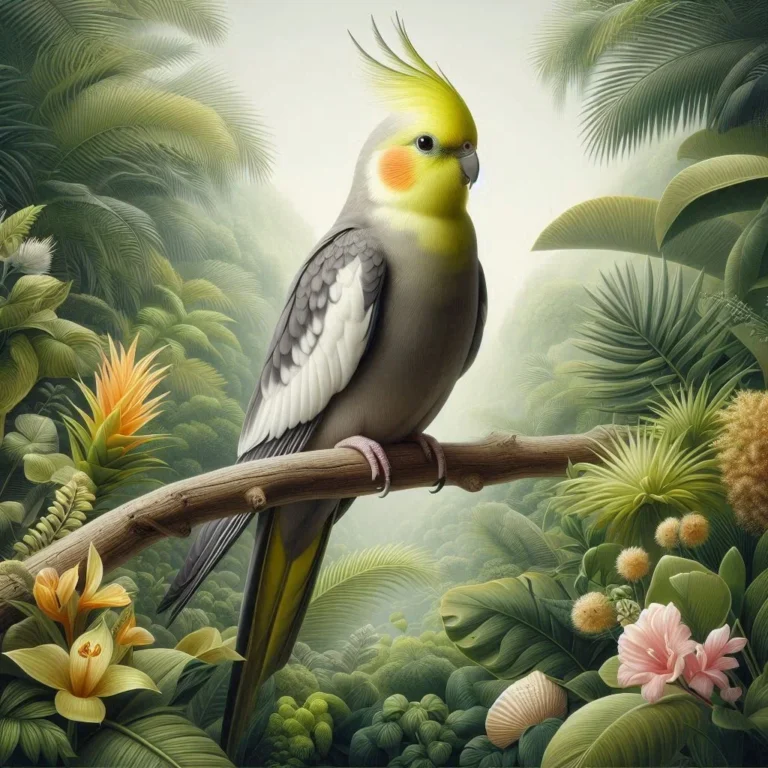
Providing excellent Bird Care begins with understanding that each feathered companion is both a pet and a wild counterpart. Whether you own a playful budgerigar, an intelligent African grey, or a charismatic cockatiel, the fundamentals of health, environment, and psychological well‑being remain consistent. In this guide we explore avian behavior, nutrition, housing, routine health checks, and training techniques that empower you to meet your bird’s needs and foster a lasting bond built on trust and respect.
Understanding Avian Behavior
Birds communicate through a sophisticated blend of vocalizations, body language, and subtle feather displays. Recognizing signs of stress—such as feather plucking, excessive screaming, or rapid wing flapping—helps you intervene before issues become chronic. Conversely, a relaxed bird will preen, stretch its wings, and engage in gentle head bobbing. Familiarity with these cues not only improves daily Bird Care but also enriches the relationship, allowing you to tailor enrichment activities that match the species’ natural instincts.Bird keeping
Nutrition Fundamentals for Healthy Birds
A balanced diet is the cornerstone of robust avian health. Commercial pellets provide consistent nutrients, but variety is essential to emulate a wild diet rich in proteins, vitamins, and minerals. Fresh fruits, vegetables, and occasional seeds should complement the staple feed. Avoid foods high in sodium, caffeine, or avocado, which are toxic to many species. Understanding the specific dietary needs of your bird—whether it thrives on leafy greens like kale or requires more protein from boiled eggs—prevents nutritional deficiencies and supports feather quality, immune function, and longevity.
- Proteins: Cooked eggs, lean meat, insects.
- Fruits: Berries, apples (no seeds), melons.
- Vegetables: Dark leafy greens, carrots, broccoli.
- Grains & Legumes: Cooked quinoa, lentils.
- Supplements: Calcium blocks, vitamin mixes as advised by a vet.
For detailed nutritional guidelines, consult reputable resources such as the U.S. Department of Agriculture avian health portal.
Housing and Environmental Enrichment
The cage should mimic a bird’s natural habitat: spacious enough for full wing extension, equipped with perches of varying diameters, and free of sharp edges. Position the cage near a window (with UV‑blocking curtains) to provide natural light, which aids in vitamin D synthesis. Rotate toys weekly—bells, foraging puzzles, and safe chewing items—to prevent boredom and foster exploratory behavior. Incorporating a daily out‑of‑cage play session in a bird‑proofed room offers essential exercise, strengthens muscles, and deepens trust between you and your companion.
Health Monitoring and Routine Care
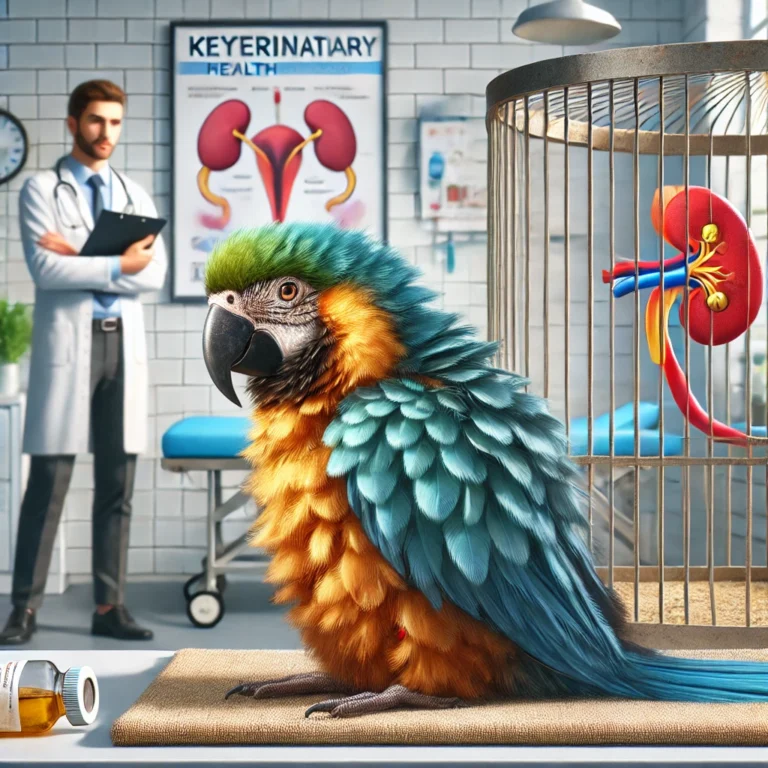
Regular health checks are vital. Inspect feathers for loss or discoloration, examine beak and nails for overgrowth, and monitor droppings for consistency and color changes. A healthy bird typically produces firm, well‑formed droppings with a distinct uric acid component. Schedule a professional avian veterinarian visit at least once a year for a comprehensive exam and vaccinations when appropriate. Early detection of parasites, respiratory infections, or metabolic disorders dramatically improves outcomes. Keep a log of weights, feeding habits, and behavior patterns to share with your vet during consultations.
Additional scientific insight into avian health can be found through the Cornell Lab of Ornithology, a leading authority on bird research.
Training and Social Interaction
Positive reinforcement training builds mental stimulation and strengthens the bond. Start with simple target training using a stick or a colored card, rewarding the bird with a preferred treat when it touches the target. Gradually advance to step‑up commands, recall, and even trick sequences. Social interaction is equally critical; many species are highly gregarious and thrive on daily conversation, gentle petting, and mutual play. Remember to respect the bird’s mood—forcing interaction can lead to stress and regression.
Conclusion
Effective Bird Care blends scientific knowledge with compassionate daily practice. By mastering avian behavior cues, providing a nutrient‑dense diet, creating a stimulating environment, conducting routine health checks, and engaging in positive training, you set the foundation for a thriving, joyful feathered companion. Ready to elevate your bird‑keeping journey? Subscribe to our newsletter for expert tips, free care checklists, and exclusive access to webinars hosted by leading avian veterinarians. Your bird’s best life starts today—take the next step now!
Frequently Asked Questions
Q1. How often should I feed my bird?
Birds should receive nutritious food daily, ideally split into two meals: one in the morning and another in the evening. A base of high‑quality pellets should make up 60–70% of the diet, with fresh fruits, vegetables, and occasional treats filling the rest. Always provide fresh water and remove uneaten perishable foods after a few hours to prevent spoilage.
Q2. What signs indicate my bird is stressed?
Common stress signals include feather plucking, excessive screaming, rapid wing flapping, and a tucked‑up posture. You may also notice changes in appetite or droppings. Identifying these cues early allows you to adjust the environment, enrichment, or seek veterinary advice before the problem worsens.
Q3. How can I create a safe out‑of‑cage play area?
Choose a bird‑proofed room with windows covered by UV‑blocking curtains, remove toxic plants, cords, and open water sources. Use non‑slip mats and keep doors and windows securely closed. Supervise the bird for the first few sessions to gauge curiosity and prevent accidents.
Q4. When should I take my bird to an avian veterinarian?
Schedule a professional check‑up at least once a year for a comprehensive exam and vaccinations if recommended. Immediate veterinary care is needed if you notice sudden changes in droppings, breathing difficulties, swelling, or severe feather loss. Keeping a health log helps the vet identify trends and intervene early.
Q5. What are effective training methods for beginners?
Positive reinforcement using favorite treats works best; start with simple target training and reward the bird each time it touches a stick or card. Keep sessions short (5‑10 minutes) and consistent, gradually adding step‑up and recall cues. Patience and a calm tone build trust and encourage the bird to participate willingly.