Easy Small Pet Care Guide
Welcome to the Easy Small Pet Care Guide—your go‑to resource for teaching kids how to care for their tiny companions. Whether it’s a hamster, a guinea pig, a fish, or a small bird, the basics of feeding, cleaning, and safety are the same. This guide breaks down the steps into simple, age‑appropriate tasks that kids can handle with a little adult supervision. By following these tips, children will learn responsibility, empathy, and the joy of nurturing a living creature.
Easy Small Pet Care Guide: Choosing the Right Pet
Before a child brings a pet home, parents should consider the animal’s needs and the family’s lifestyle. Small pets vary widely in size, temperament, and care requirements. Here are key factors to evaluate:
- Space – Does the home have a quiet corner or a dedicated room?
- Time – How many hours can the child spend with the pet each day?
- Allergies – Are any family members allergic to fur or feathers?
- Budget – Consider food, bedding, and vet visits.
Once the family decides on a species, research its specific needs. For example, guinea pigs require a diet rich in vitamin C, while betta fish need a heated tank and a balanced diet of flakes and frozen food. The American Veterinary Medical Association offers a pet‑specific checklist that can help parents make an informed choice.
Easy Small Pet Care Guide: Daily Feeding and Nutrition
Nutrition is the foundation of a healthy pet. Kids can learn to measure portions and keep a feeding schedule. Below is a simple daily routine that works for most small pets:
- Measure the food portion using a small measuring cup.
- Offer fresh water in a shallow dish or a water bottle with a spout.
- Remove uneaten food after 30 minutes to prevent spoilage.
- Check the food label for age‑appropriate nutrition.
For rodents, a mix of high‑quality pellets, fresh vegetables, and a small amount of fruit is ideal. Fish owners should use a Cornell University recommended fish food brand and follow the feeding guidelines on the tank label. Always read the FDA guidelines for pet food safety to avoid contaminated products.
Easy Small Pet Care Guide: Hygiene and Health Checks
Keeping a pet clean and healthy is a daily responsibility that teaches kids about hygiene. Here are essential tasks:
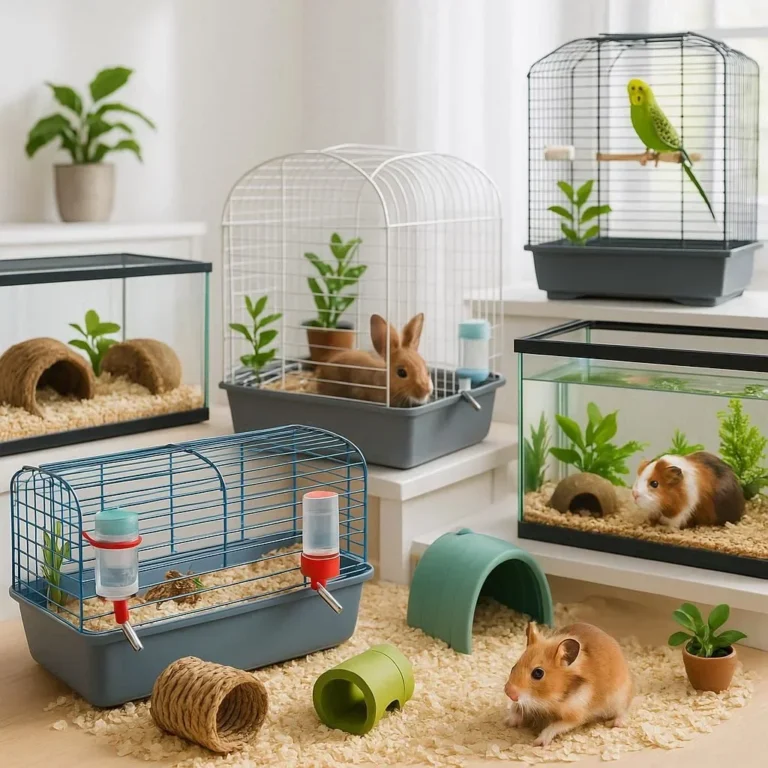
- Cleaning the cage or habitat – Use a mild, pet‑safe cleaner once a week.
- Bathing – Only for species that need it, such as certain reptiles or amphibians.
- Grooming – Brush fur or feathers to prevent matting.
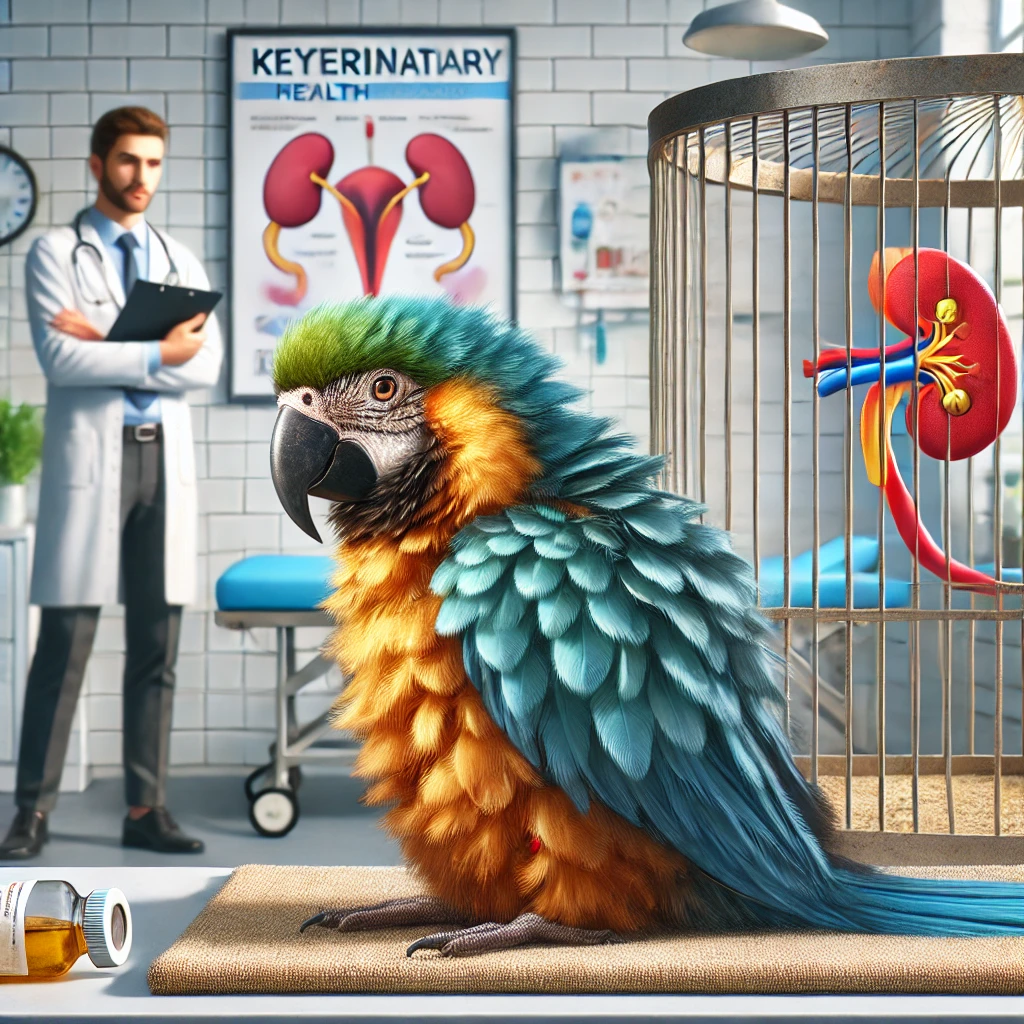
- Health checks – Look for signs of illness: lethargy, changes in appetite, or unusual discharge.
Schedule a vet visit at least once a year. The USDA recommends annual check‑ups to catch preventable diseases early. Parents can involve kids in the vet visit by letting them observe the exam and ask questions, turning it into a learning experience.
Easy Small Pet Care Guide: Training and Safety Tips
Training small pets can be fun and rewarding. Even simple tricks reinforce good behavior and strengthen the bond between child and animal. Start with basic commands like “sit” or “stay” for birds, or “come” for rodents. Use positive reinforcement: treats, praise, and gentle petting. Safety is paramount—teach kids to handle pets gently, avoid sudden movements, and never leave a small pet unattended with a child alone.
For fish, safety means maintaining proper water temperature and pH levels. Use a reliable thermometer and a test kit from a reputable supplier. For reptiles, ensure the enclosure is escape‑proof and that the child never touches the animal’s eyes or mouth. Always supervise interactions, especially with new or nervous pets.
Easy Small Pet Care Guide: Conclusion and Call to Action
By following this Easy Small Pet Care Guide, kids can become confident, caring pet owners. The skills they learn—responsibility, empathy, and basic biology—are valuable for life. Encourage your child to keep a pet care journal, noting feeding times, cleaning tasks, and any health observations. This simple habit reinforces routine and helps spot changes early.
Ready to start your pet‑parenting journey? Download our free printable care checklist and share it with your child. Together, you’ll create a happy, healthy home for your small pet.
Frequently Asked Questions
Q1. What are the basic daily tasks for a small pet?
Daily tasks include feeding the pet with the right portion of food, offering fresh water, and checking the enclosure for cleanliness. Children can help by measuring food portions and wiping any spills. It’s also important to observe the pet’s behavior for any signs of stress or illness. A consistent routine helps the pet feel secure and teaches responsibility.
Q2. How often should I clean my pet’s enclosure?
Clean the enclosure once a week with a mild, pet‑safe cleaner. Spot‑clean any waste or uneaten food daily to prevent odors and bacterial growth. For fish tanks, perform a partial water change every two weeks and clean the substrate. Regular cleaning keeps the pet healthy and reduces the risk of disease.
Q3. What foods should I avoid giving to small pets?
Avoid chocolate, caffeine, onions, garlic, and high‑fat foods, as they can be toxic to many small animals. For rodents, steer clear of sugary treats and artificial sweeteners. Fish should not receive human food or over‑fattening flakes. Always read food labels and consult a vet for species‑specific dietary restrictions.
Q4. How can I involve my child in pet care safely?
Let the child handle light tasks like refilling water, brushing fur, or cleaning a shallow dish. Teach gentle handling techniques and supervise all interactions. Encourage the child to keep a care journal to record feeding times and observations. This hands‑on approach builds empathy and a sense of ownership.
Q5. When should I take my small pet to the vet?
Schedule an annual check‑up to catch preventable diseases early. Bring the pet in sooner if you notice lethargy, changes in appetite, or unusual discharge. For new pets, a vet visit within the first week helps establish a baseline health record. Regular vet visits also provide an opportunity to discuss vaccinations and parasite prevention.