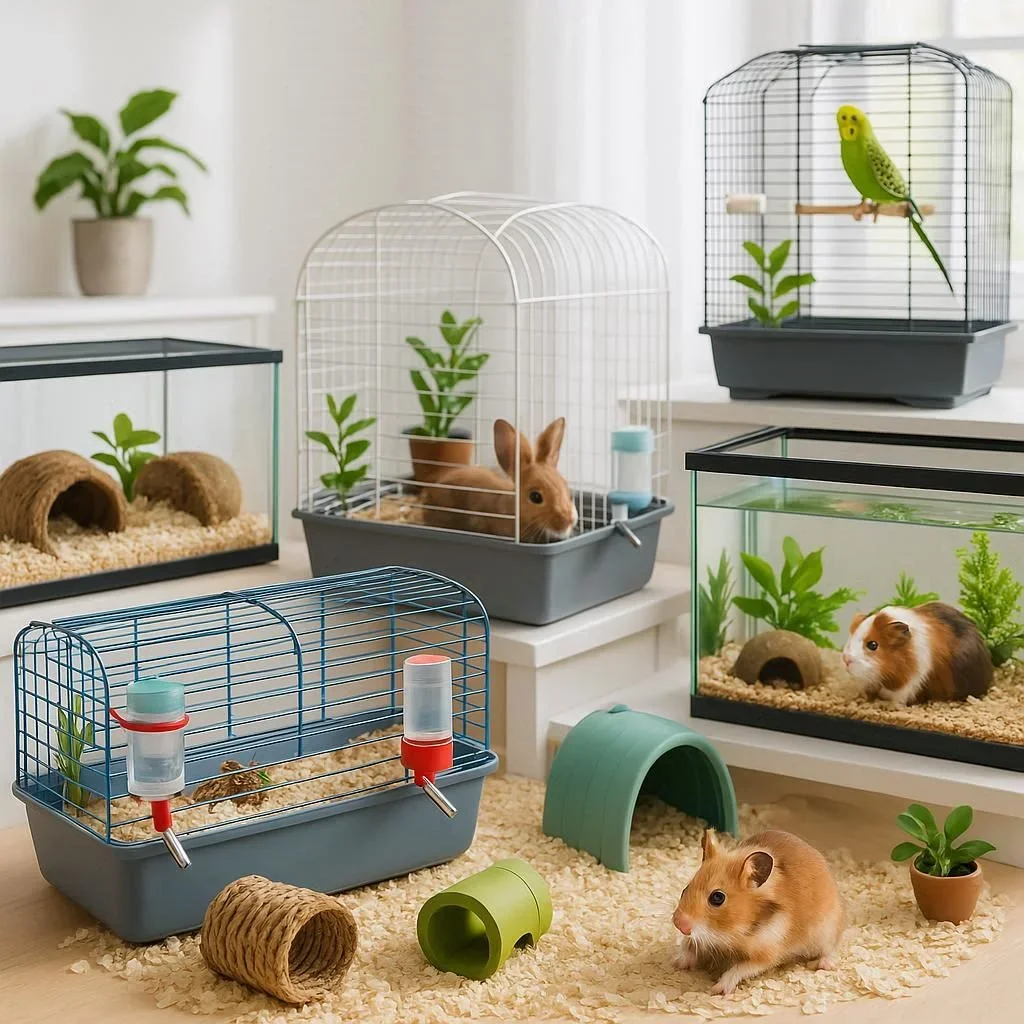
Easy Care Small Pets Guide
Welcoming a new companion into your home can be a rewarding experience, especially when you choose an animal that fits your lifestyle. This Easy Care Small Pets guide is designed for busy professionals, first‑time owners, and anyone seeking a low‑maintenance yet engaging pet. By focusing on species that thrive with minimal daily upkeep, you can enjoy the benefits of pet ownership without sacrificing your work schedule or living space. In the following sections we’ll explore how to select the right pet, set up its environment, provide proper nutrition, and keep your friend healthy and happy—all while staying within a modest budget and time commitment.
Easy Care Small Pets: Selecting the Right Species
Choosing a pet begins with understanding your own constraints and preferences. If you have limited floor space, a quiet apartment, or travel frequently, consider animals that require little room and can tolerate brief periods of solitude. Popular choices include:
- Guinea pigs – social, enjoy gentle handling, and need a modest cage.
- Betta fish – vibrant, thrive in a small aquarium with regular water changes.
- Leopard geckos – low‑maintenance reptiles that require only a heat source and occasional feeding.
- Domesticated hamsters – active and easy to care for, ideal for small living areas.
Before making a purchase, research the specific low maintenance pets you’re interested in to ensure they align with your schedule and environment. Resources such as Small mammals on Wikipedia provide concise overviews of each species’ basic needs.
Easy Care Small Pets: Housing Essentials
A suitable habitat is the cornerstone of healthy pet care. Even the most resilient Easy Care Small Pets need a safe, clean, and appropriately sized enclosure. Here are key considerations for common small pet homes:
- Cage size: Allow at least 2 square feet of floor space per guinea pig; hamsters require a minimum of 450 square inches.
- Ventilation: Ensure fresh air circulation to prevent mold and unpleasant odors, especially in reptile tanks.
- Substrate: Use absorbent bedding like paper pulp for rodents, and sand or coconut fiber for reptiles.
- Temperature and lighting: Betta fish need a stable water temperature of 78°F; leopard geckos require a warm side (88°F) and a cool side (75°F) with a UVB bulb if kept outdoors.
Regular cleaning—spot cleaning daily and full substrate changes weekly—helps maintain hygiene and reduces the risk of disease. The CDC pet health page offers guidance on creating a clean environment that protects both pets and owners.
Easy Care Small Pets: Feeding and Nutrition
Proper nutrition supports growth, immunity, and behavior. While each species has unique dietary requirements, the following general guidelines apply to most Easy Care Small Pets:
- Fresh water: Provide clean water daily; use a bottle with a sipper tube for small rodents.
- Balanced diet: Offer a mix of commercial pellets, fresh vegetables, and occasional treats. For example, guinea pigs need vitamin C‑rich greens like kale.
- Portion control: Overfeeding can lead to obesity, a common issue in sedentary pets such as hamsters.
- Special considerations: Betta fish require a protein‑rich diet of pellets or frozen bloodworms, while leopard geckos thrive on insects like crickets.
Consult reputable sources like the ASPCA small pet care guide for species‑specific feeding schedules and recommended foods.
Easy Care Small Pets: Health and Safety
Even low‑maintenance animals benefit from routine health checks. Early detection of illness can prevent costly veterinary visits and ensure a longer, happier life for your pet. Follow these basic pet health tips:
- Observe behavior: Lethargy, loss of appetite, or unusual vocalizations may signal a problem.
- Check physical signs: Look for sores, discharge, or abnormal fur loss during daily handling.
- Schedule annual exams: Many veterinary schools offer low‑cost check‑ups for small animals; search for a nearby AVMA accredited clinic.
- Prevent parasites: Use dust baths for guinea pigs and regular substrate changes for reptiles to reduce mite infestations.
Keeping a simple health log—recording weight, food intake, and any symptoms—helps you and your vet monitor trends over time.
Travel and Emergency Planning
Although Easy Care Small Pets are resilient, unexpected situations arise. Prepare a portable carrier, a small emergency kit with food, water, and a first‑aid guide, and know the location of the nearest emergency animal clinic. Having a plan in place reduces stress for both you and your pet during relocations or natural disasters.
Conclusion
Choosing and caring for a small companion can be a straightforward, enriching experience when you focus on species that match your lifestyle and follow proven care practices. By selecting the right pet, setting up appropriate housing, providing balanced nutrition, and staying vigilant about health, you’ll enjoy the rewards of pet ownership without overwhelming your schedule. Ready to bring home a new friend? Explore reputable breeders or rescue organizations today and start your journey with an Easy Care Small Pets companion. Take the first step now—your perfect low‑maintenance pet is waiting!
Frequently Asked Questions
Q1. Which small pets are truly low‑maintenance?
Guinea pigs, betta fish, leopard geckos, and dwarf hamsters are among the most beginner‑friendly options. They need modest cages, limited daily interaction, and straightforward feeding routines. However, each still requires basic care like clean water and regular habitat checks.
Q2. How much space does a guinea pig need?
A single guinea pig should have at least 2 square feet of floor space, which translates to a cage minimum of 30 × 30 inches. More space encourages exercise and reduces stress. Adding a hideout and level flooring improves comfort.
Q3. What temperature should I keep a betta fish tank at?
Betta fish thrive in water that stays between 78°F and 80°F (25‑27°C). Use an adjustable heater and a thermometer to maintain consistency. Sudden temperature changes can cause stress or disease.
Q4. How often do leopard geckos need to be fed?
Adult leopard geckos should be fed 2–3 times per week with appropriately sized insects such as crickets or mealworms. Juveniles require daily feedings. Dust the prey with calcium and vitamin D3 supplements regularly.
Q5. What are the signs of a sick small pet?
Watch for lethargy, loss of appetite, abnormal droppings, or changes in coat or skin condition. Respiratory noises, discharge from eyes or nose, and unusual vocalizations also signal trouble. Early veterinary attention can prevent serious health issues.