Easiest Dogs to Train Quickly
When you’re looking for a companion that will pick up commands faster than you can say “sit,” the phrase easiest dogs to train quickly becomes the gold standard in your research. Whether you’re a first‑time owner, a busy professional, or someone who simply wants a well‑behaved friend, understanding which breeds excel at rapid learning can save you months of frustration and pave the way for a harmonious household. In this guide we’ll explore why breed matters, highlight the top five trainable breeds, share proven training techniques, and give you a roadmap for maintaining progress over the long term.
Why Breed Matters in Fast Learning
Dogs have been selectively bred for specific tasks for thousands of years, and those historic roles still influence their modern temperament. Breeds developed for herding, retrieving, or guarding often possess an innate desire to work closely with humans, making them naturally responsive to commands. This genetic predisposition translates into quicker acquisition of obedience skills, especially when paired with consistent, reward‑based training methods. According to the Wikipedia article on canine genetics, temperament traits such as “trainability” are highly heritable, meaning that choosing a breed with a strong work ethic can dramatically shorten the learning curve.
Top Five Easiest Dogs to Train Quickly
Below is a concise list of the breeds that consistently rank highest for rapid obedience learning. Each entry includes a brief temperament snapshot and a link to an authoritative source for deeper research.
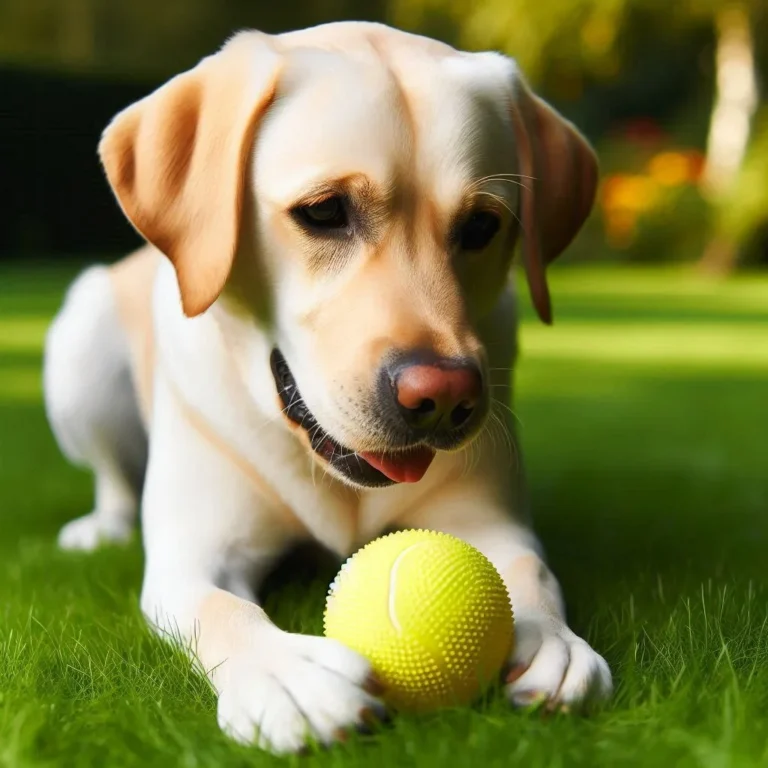
- Labrador Retriever – Known for affectionate, eager‑to‑please personalities, Labs excel in both service work and family settings. Labrador Retriever Wikipedia
- Border Collie – Often hailed as the smartest dog breed, Border Collies thrive on mental challenges and respond instantly to clear cues. Border Collie Wikipedia
- Poodle – Whether Toy, Miniature, or Standard, poodles combine intelligence with a strong desire to please, making them superb at quick learning. Poodle Wikipedia
- Golden Retriever – Similar to Labs, Goldens are friendly, eager, and love to work alongside their owners. Golden Retriever Wikipedia
- German Shepherd – Often employed in police and military roles, German Shepherds are disciplined, courageous, and quick to obey commands. German Shepherd Wikipedia
Training Techniques That Speed Up Learning
Even the most trainable breed benefits from a structured approach. Below are five dog training tips that accelerate mastery while reinforcing the bond between you and your pet.
- Keep sessions short and frequent. Research from the American Kennel Club shows that 5‑ to 10‑minute sessions, repeated 2‑3 times daily, prevent mental fatigue and keep enthusiasm high.
- Use high‑value rewards. Choose treats your dog finds irresistible—small pieces of cooked chicken or commercial training treats work well. Pair the reward with a clicker or verbal marker to create a clear association.
- Apply the ““One‑Cue, One‑Behavior”” rule. Consistency eliminates confusion. For example, the word “down” should always mean lying on the floor, never “stay” or “wait.”
- Incorporate shaping. Reward incremental steps toward the final behavior. If teaching “roll over,” praise the dog for lying on its side before rewarding a full roll.
- Practice in varied environments. Generalization is key; train inside the home, then in the backyard, a park, and finally a busy street. This ensures the command holds regardless of distractions.
Maintaining Motivation and Consistency
Fast progress can plateau if you slip back into inconsistent routines. Here are three ways to keep momentum high:
- Set realistic milestones. Celebrate small victories—mastering “sit” before moving to “stay” builds confidence.
- Rotate tricks. Introducing new commands like “spin” or “fetch a specific item” keeps the brain engaged and prevents boredom.
- Engage the whole family. When everyone uses the same cues, the dog receives uniform reinforcement, which shortens the learning timeline.
Remember that patience is not a passive waiting game; it’s an active, supportive process that respects the dog’s learning speed while gently nudging it forward.
Conclusion: Start Training Your Easiest Dog Today
Choosing one of the easiest dogs to train quickly sets you up for success, but the real transformation begins the moment you apply focused, reward‑based methods. By selecting a breed with high trainability, employing short, consistent sessions, and maintaining motivation through varied practice, you’ll see noticeable results within weeks—not months.
Ready to experience rapid progress? Download our free 7‑day fast‑track training guide or schedule a consultation with a certified trainer today. The sooner you start, the sooner you’ll enjoy a well‑behaved companion that responds to every cue with enthusiasm.
Frequently Asked Questions
Q1. Which dog breeds learn commands the fastest?
The Labrador Retriever, Border Collie, Poodle, Golden Retriever, and German Shepherd consistently rank as the easiest dogs to train quickly. These breeds have high intelligence, strong desire to please, and historic roles that demand quick learning. Their natural drive makes short, consistent training sessions especially effective.
Q2. How long should a training session last for fast results?
Keep sessions brief—about 5 to 10 minutes—and repeat them two to three times a day. Short sessions prevent mental fatigue and keep your dog enthusiastic about learning.
Q3. Do all puppies of a trainable breed learn at the same speed?
No. Individual temperament, socialization, and the consistency of training all influence a puppy’s learning curve. Even within easy‑to‑train breeds, some dogs may pick up commands faster than others.
Q4. What type of rewards work best for quick learning?
High‑value treats like small pieces of cooked chicken or special training treats paired with a clicker or verbal marker create a clear, motivating association.
Q5. Can I train a dog in a noisy environment?
Yes, but start in a low‑distraction setting and gradually add background noise. Practicing in varied environments helps the dog generalize commands and stay responsive amid distractions.