Detect Feline Kidney Disease Early
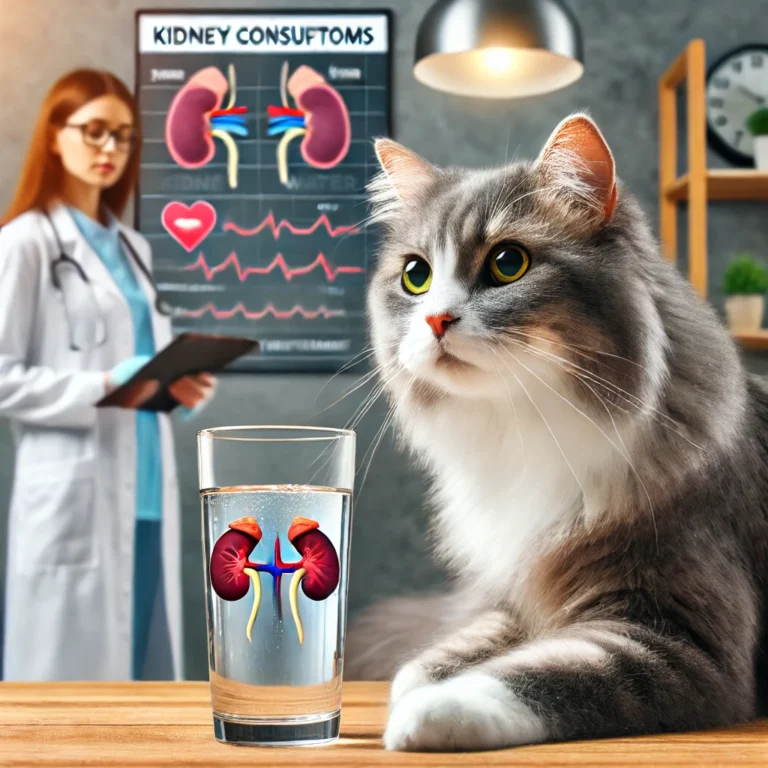
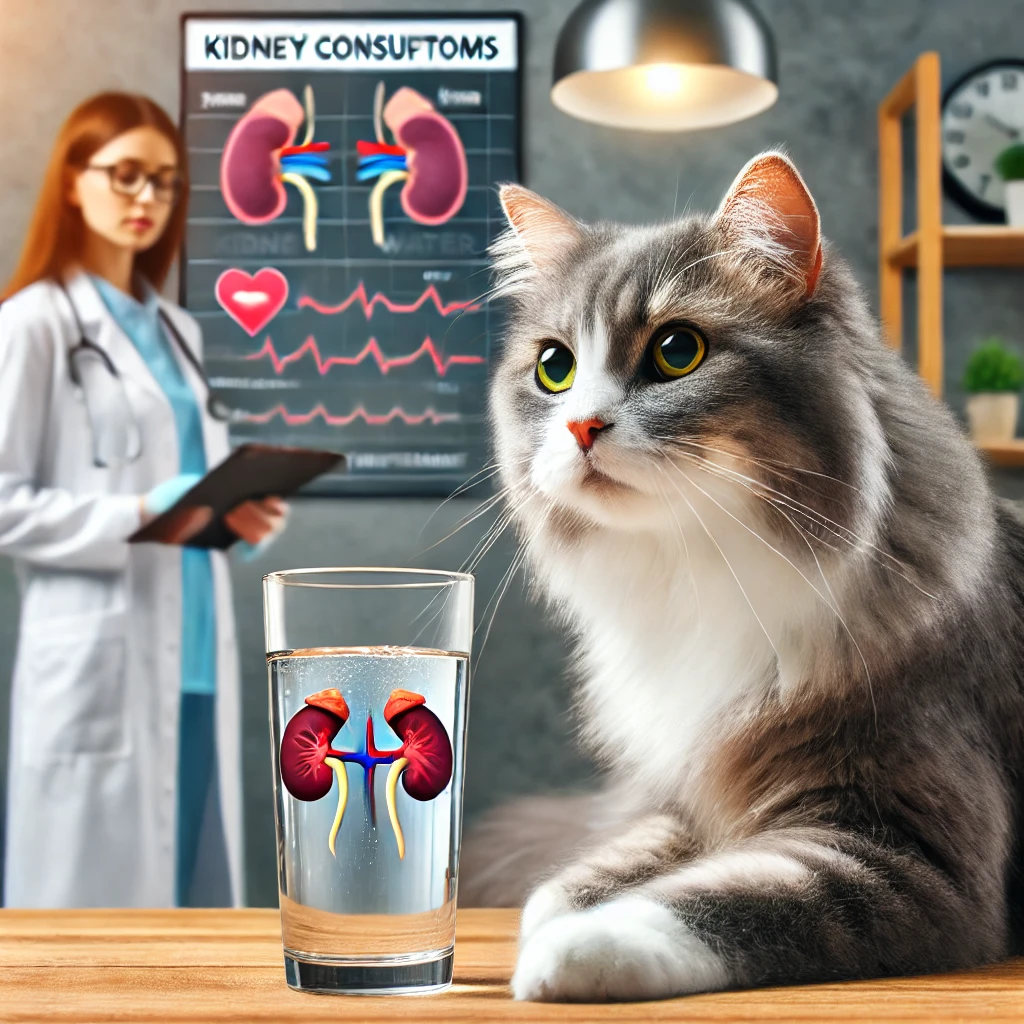
Kidney disease affects 1 in 3 senior cats, making early detection crucial for effective management. Cats are masters at hiding illness, and kidney problems often develop silently before visible symptoms emerge. Understanding these subtle early warning signs empowers cat owners to seek timely veterinary intervention, potentially adding years to their feline companion’s life.
The Critical Role of Kidneys in Cats
A cat’s kidneys act as sophisticated filtration systems, removing waste products from the bloodstream through urine production. They also regulate blood pressure, produce essential hormones, maintain electrolyte balance, and conserve water. When kidney function declines, toxins accumulate in the bloodstream, creating a dangerous condition known as uremia. The Cornell Feline Health Center emphasizes that chronic kidney disease (CKD) progresses through stages, with early detection allowing precious time for therapeutic intervention.
Subtle Behavioral Signs of Kidney Disease
Cats often exhibit behavioral changes long before physical symptoms appear. Increased lethargy and reduced interaction are common indicators – your once playful cat may nap more or avoid favorite activities. Owners might notice personality shifts, including unusual irritability when touched around the kidney area. Successful hunters may stop bringing “gifts,” indicating decreased engagement with their environment. These subtle changes warrant immediate veterinary attention.
Key Behavioral Changes to Monitor
- Decreased interest in play or social interaction
- New preference for sleeping in isolated locations
- Reluctance to jump onto familiar elevated surfaces
- Subtle personality changes like unusual hiding behavior
- Decreased grooming frequency or poor coat condition
Physical Symptoms of Early Kidney Disease
The most recognizable early physical sign of kidney disease in cats involves changes in urinary habits. Affected cats typically drink excessive water (polydipsia) and urinate more frequently (polyuria) with very dilute urine. Owners may notice larger clumps in the litter box or find their cat drinking from unusual water sources. According to the International Renal Interest Society, mouth ulcers, ammonia-scented breath, and gradual weight loss despite normal appetite often emerge as toxins accumulate unchecked.
Diagnostic Tests for Feline Kidney Disease
Veterinarians employ multiple diagnostics to detect early kidney issues. Blood tests revealing elevated SDMA (Symmetric Dimethylarginine) levels typically precede changes in traditional creatinine values, allowing earlier intervention. Urine specific gravity tests determine concentrating ability – healthy feline urine should be highly concentrated. According to a study in the Journal of Veterinary Internal Medicine, combining SDMA with urine protein-to-creatinine ratios achieves up to 95% sensitivity for identifying early renal insufficiency cases. Annual screening is recommended for cats over seven.
High-Risk Groups and Prevention Strategies
Senior cats represent the most vulnerable demographic, with risk doubling after age ten. Certain breeds including Persians and Maine Coons show genetic predisposition to polycystic kidney disease.
Risk-Reduction Tactics
- Provide fresh water sources throughout your home
- Transition to wet food diet to boost hydration
- Maintain consistent veterinary checkups every six months for seniors
- Avoid NSAIDs and lilies (both toxic to feline kidneys)
- Manage dental disease (oral bacteria affects kidney function)
The American Veterinary Medical Association recommends kidney screening bloodwork as part of every senior wellness exam.
Navigating Treatment for Early Kidney Disease
Management begins with prescription renal diets restricting phosphorous and high-quality protein. Subcutaneous fluid therapy administered at home combats dehydration. Medications address secondary complications like hypertension and anemia, while kidney-support probiotics help process uremic toxins. Regular monitoring guides therapy adjustments.
Catching kidney disease early offers cats the best prognosis – affected felines often thrive for years with proper management. Schedule kidney screening tests immediately if you observe any warning signs. This simple action could preserve your cherished companion’s health and enrich your years together.
Frequently Asked Questions
Q1. What are the earliest detectable signs of kidney disease?
The earliest signs often include increased drinking frequency, larger urine clumps in the litter box, bad breath, and subtle weight loss. Behavioral changes like decreased grooming and increased sleeping may precede physical symptoms. Cats may appear healthy otherwise, making veterinary screenings critical for early detection.
Q2. At what age should screening start?
While kidney disease can affect cats of any age, veterinarians recommend initiating renal screening at age seven. Annual screenings become essential for cats over ten. Earlier screenings help establish valuable baseline values for comparison as cats age.
Q3. Can kidney disease be reversed?
Chronic kidney disease involves irreversible damage to nephrons, making cure impossible. However, early intervention can stabilize remaining kidney function through renal-friendly nutrition, hydration support, and blood pressure management. Acute kidney injury from toxins may resolve fully with prompt treatment.
Q4. Are certain breeds more susceptible?
Persian, Himalayan, and Maine Coon cats demonstrate increased genetic predisposition to inherited polycystic kidney