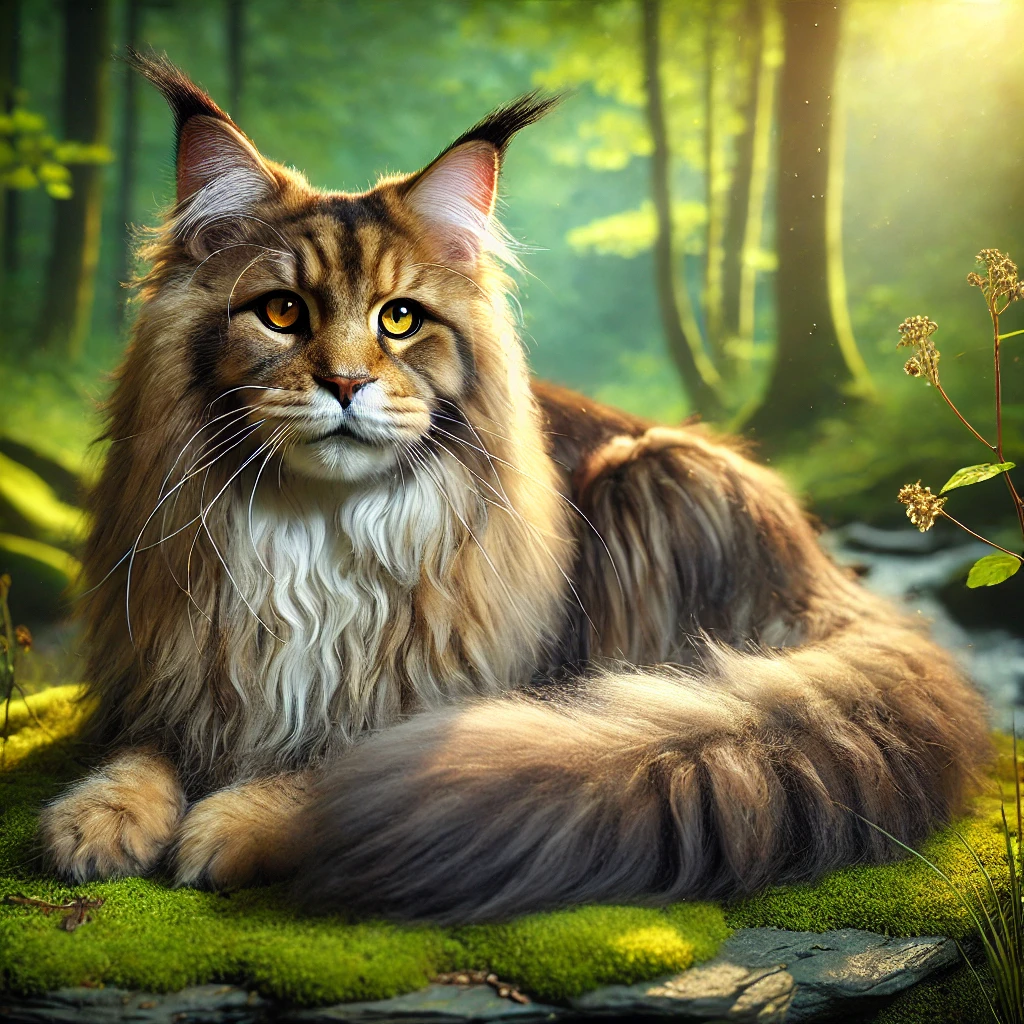
Decoding Cat Body Language During Play and Rest
Cats are fascinating creatures, and their body language is a window into their emotions, intentions, and overall well-being. Whether your cat is frolicking during playtime or lounging in a sunny spot, understanding their physical cues can help you better connect with them and ensure they’re happy and healthy. In this comprehensive guide, we’ll delve into the intricacies of cat body language during play and rest, helping you decode what your feline friend is trying to communicate.
Understanding the Importance of Cat Body Language
Cats primarily communicate through body language, as they don’t rely on verbal cues like humans do. Their tail positions, ear angles, whisker twitches, and even the way they move can signal everything from joy and curiosity to fear or aggression. By learning to read these signals, you can better understand your cat’s needs, anticipate their behavior, and strengthen your bond with them.
Body Language During Play
Playtime is one of the most enjoyable interactions you can have with your cat, but it’s also a time when their body language is particularly expressive. Cats are natural predators, and play allows them to exercise their instincts, stretch their muscles, and engage their minds. Here’s how to interpret their body language during play:
1. Tail Positions
A cat’s tail is one of the most expressive parts of their body, and during play, it can convey a range of emotions. Here’s what different tail positions might mean:
- Twitching or Lashing Tail: A twitching or lashing tail often indicates excitement or agitation. During play, this can signal that your cat is fully engaged and having fun. However, if the twitching becomes rapid or forceful, it may be a sign that your cat is overstimulated or ready to pounce.
- Puffed-Up Tail: A puffed-up tail, also known as a “Halloween cat” pose, can be a sign of fear or defensiveness. If your cat’s tail suddenly puffs up during play, it might mean they’re feeling overwhelmed or threatened. It’s a good idea to give them some space and let them calm down.
- Wrapped or Tucked Tail: A wrapped or tucked tail can indicate a more relaxed or cautious state. If your cat is playing with a low, tucked tail, they might still be enjoying themselves but at a lower intensity.
2. Ear Positions
A cat’s ears are another key indicator of their mood during play. Ears that are forward and perked up usually signal curiosity and engagement, while ears that are flattened or pulled back can indicate fear or discomfort. If your cat’s ears are in a neutral position, they’re likely feeling relaxed and enjoying the activity.
3. Whiskers
Whiskers are highly sensitive and play a crucial role in a cat’s spatial awareness and emotional state. During play, your cat’s whiskers may tremble or fan out slightly, which is a sign of excitement or curiosity. If their whiskers are flattened against their face, it could indicate stress or anxiety.
4. Vocalizations
While cats don’t vocalize as much as humans, they do make various sounds that can convey their emotions during play. Happy, engaged cats might emit soft chirps, trills, or even small meows. On the other hand, hissing, growling, or a sudden silence could be a sign that your cat is feeling overstimulated or needs a break.
5. Posture and Movement
A cat’s posture and movement during play can also reveal a lot about their mood. A crouched, stalking posture with slow, deliberate movements often indicates focus and excitement, while a rigid or tense posture might suggest they’re ready to pounce or.ecore.
If your cat is moving quickly, leaping, or pouncing with abandon, they’re likely in a state of high excitement and enjoyment. However, if their movements become jerky or unpredictable, it might be a sign that they’re feeling overwhelmed and need a break.
Body Language During Rest
After all that playtime, your cat will inevitably need some downtime to rest and recharge. Even when they’re sleeping, cats continue to communicate through their body language, and paying attention to these cues can provide valuable insights into their comfort and emotional state. Here’s how to interpret your cat’s body language during rest:
1. Sleeping Positions
Cats assume various sleeping positions, each of which can offer clues about their mood and level of security. Here are some common sleeping positions and what they might mean:
- Curled Up in a Ball: This is one of the most common sleeping positions for cats. When your cat curls up in a ball, it usually indicates that they feel safe and comfortable in their environment. Tucking their paws and tail close to their body helps them conserve heat and protect their vulnerable areas.
- Stretched Out or Extended: If your cat is sleeping stretched out on their side or belly-up, it’s often a sign of deep relaxation and trust. When they expose their belly, they’re signaling that they feel completely safe and comfortable in their surroundings.
- Hidden or Covered: Some cats prefer to sleep in enclosed or hidden spaces, such as under a bed, in a box, or behind a curtain. This behavior often indicates that your cat feels more secure in a sheltered environment and may be more introverted or sensitive to their surroundings.
2. Eye Positions and Blinking
Even when they’re resting, your cat’s eyes can provide valuable insights into their emotional state. Here’s what different eye positions and blinking patterns might mean:
- Closed Eyes: Closed eyes during sleep naturally indicate that your cat is relaxed and at ease. However, if your cat’s eyes are only partially closed or if they seem to be watching their surroundings even while resting, it could signal that they’re still on alert and not fully relaxed.
- Slow Blinking: Slow blinking is a sign of trust and contentment in cats. If your cat blinks slowly at you while they’re resting, it’s a way of saying they feel comfortable and secure in your presence.
3. Tail Positions
Even when your cat is resting, their tail can still convey a lot about their mood. A relaxed, still tail usually indicates contentment, while a twiching or flicking tail could suggest that your cat is still alert or even slightly agitated. If your cat’s tail is puffed up or held rigidly, it might be a sign of underlying stress or discomfort.
4. Breathing Patterns
A cat’s breathing patterns can also be an indicator of their emotional state during rest. Deep, slow breaths are typically a sign of relaxation and contentment, while rapid or shallow breathing might suggest that your cat is feeling anxious or uneasy.
5. Exposure of the Belly
As mentioned earlier, a cat exposing their belly can be a sign of trust and relaxation. However, it’s important to remember that a cat’s belly is a vulnerable area, and not all cats feel comfortable exposing it. If your cat is sleeping on their back with their belly exposed, it’s a good indication that they feel safe and trusting in their environment.
Expert Tips for Interpreting Cat Body Language
- Pay Attention to Context: Cat body language is highly contextual, so it’s important to consider the situation and environment when interpreting your cat’s cues. For example, a puffed-up tail during play might simply mean your cat is excited, but in a different context, it could indicate fear or aggression.
- Look for Consistency: Every cat is different, and some may display unique or idiosyncratic behaviors. By observing your cat’s body language over time, you can better understand what’s normal for them and what might indicate something out of the ordinary.
- Be Patient and Observant: Cats can be subtle communicators, so it’s important to be patient and observant when trying to decode their body language. Sometimes, the smallest changes in posture or expression can signal a significant shift in mood.
- Consider Health Factors: Pain or discomfort can often manifest in a cat’s body language, even during rest or play. If you notice sudden changes in your cat’s behavior or physical cues, it’s important to consult with a veterinarian to rule out any underlying health issues.
Common Misconceptions About Cat Body Language
- Myth: A puffed-up tail always means a cat is angry or aggressive.
- Reality: While a puffed-up tail can indicate fear or aggression, it can also be a sign of excitement or overstimulation during play. The context is key to accurate interpretation.
- Myth: Cats always expose their bellies when they trust you.
- Reality: While some cats do expose their bellies as a sign of trust, others may feel vulnerable in this position and prefer to keep their bellies protected. It’s important to respect your cat’s individual preferences and boundaries.
- Myth: Cats don’t need as much attention or interaction because they’re independent animals.
- Reality: While cats value their independence, they still need social interaction and mental stimulation to stay happy and healthy.Playtime and rest are both essential components of a balanced and fulfilling life for your feline companion.
Conclusion
Decoding your cat’s body language during play and rest is a valuable skill that can deepen your understanding of their needs, preferences, and emotions. By paying attention to tail positions, ear angles, whisker movements, and other physical cues, you can better connect with your cat and ensure they lead a happy, healthy life. Remember to always consider the context and individual personality of your cat, as their body language is unique to them. With patience, observation, and a little practice, you’ll become an expert in reading your cat’s silent signals and responding in ways that strengthen your bond and enrich their well-being.