Cute Small Pets Playful Guide
When you’re searching for a companion that fits into a cozy apartment yet brings endless energy, Cute Small Pets with playful habits are a perfect match. From gentle nibbles to spontaneous bursts of sprinting, these pint‑size partners offer affection, entertainment, and a surprisingly rich social life. In this guide, we’ll explore five of the most popular small pets, highlight their signature playful behaviors, and share proven care tips that keep the fun alive while ensuring health and safety.
Guinea Pig: The Social Sprinter
Guinea pigs (Cavia porcellus) thrive on companionship and love to dart across the floor in short, joyous sprints. Their playful hops, known as “popcorning,” occur when they’re excited or feel secure. To encourage this behavior, provide a spacious pen with tunnels and low ramps. Regular interaction—gentle hand‑taming sessions and daily free‑range time—helps them stay confident and active.
- Offer a variety of chew toys to satisfy their dental health needs.
- Rotate hiding spots weekly to keep the environment stimulating.
- Include a companion guinea pig; they are herd animals and become more playful together.
For detailed species information, the Wikipedia article on Guinea Pig provides a reliable overview of their natural habits and dietary requirements.
Dwarf Hamster: The Nocturnal Acrobat
Dwarf hamsters, such as the Campbell’s and Winter White varieties, are miniature acrobats that love to explore tunnels and climbing structures after dusk. Their high energy levels are best channeled through a deep layer of bedding for burrowing and a wheel designed to prevent spinal injury. Because they are solitary by nature, each hamster should have its own cage to prevent stress‑induced aggression.
Interactive toys like chew blocks and puzzle feeders keep their minds sharp. The Wikipedia page on Dwarf Hamster offers comprehensive care guidelines, including recommended cage sizes and temperature ranges.
Rabbit: The Curious Hopper
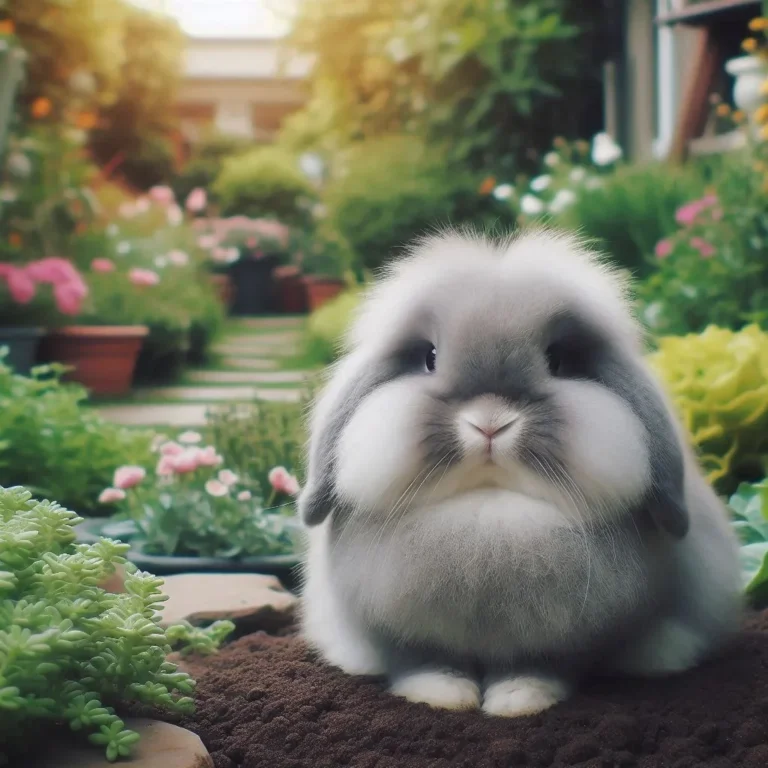
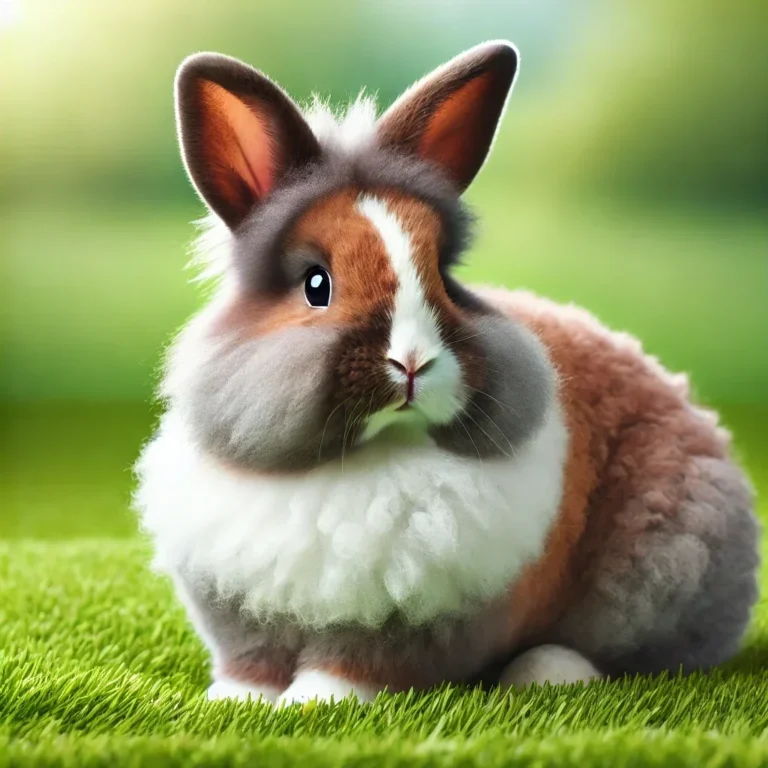
Rabbits are among the most expressive small pets, known for their playful hops, binkies (joyful jumps with a twist), and tendency to nibble on safe vegetation. A rabbit’s playful nature flourishes when it has room to run and a selection of cardboard tubes or untreated wood to chew. Social interaction, both with caretakers and, when possible, another rabbit, enhances their emotional wellbeing.
Because rabbits have a delicate digestive system, providing a diet rich in hay, fresh greens, and limited pellets is essential. The Wikipedia entry on Rabbits details nutrition and grooming requirements that support active, healthy play.
Hedgehog: The Prickly Explorer
Despite their spiky exterior, hedgehogs are inquisitive explorers that love to forage and roll through tunnels. They exhibit playful snuffling behaviors when presented with scent‑rich toys or small balls. A safe enclosure with a solid floor, climbing platforms, and a shallow water dish encourages natural foraging and reduces boredom.
Regular handling builds trust, allowing the hedgehog to curl into a ball less often and engage more with interactive toys. For authoritative guidance, refer to the Wikipedia article on Hedgehogs, which outlines suitable habitat conditions and health checks.
Chinchilla: The Silky Acrobat
Chinchillas are celebrated for their soft, dense fur and high‑energy play style. They love to jump, climb, and dust‑bathe, which mimics their natural mountain‑dwelling behavior. Providing multiple levels, rope bridges, and a dust‑free powder bath encourages vigorous exercise and mental stimulation.
Because chinchillas are prone to overheating, keep the ambient temperature below 75°F (24°C) and offer fresh water at all times. The Wikipedia page on Chinchilla presents a thorough overview of their care needs, including dust‑bath frequency and dietary recommendations.
Top 5 Playful Toys for Small Pets
Choosing the right toys can transform a quiet corner into an adventure zone. Below is a curated list of interactive items that suit most cute small pets and promote healthy activity.
- Multi‑Level Wire Cages – allow climbing and escape routes.
- Chew‑Safe Wooden Blocks – satisfy natural gnawing urges.
- Exercise Wheels (solid surface) – perfect for hamsters and mice.
- Cardboard Tubes – ideal for burrowing guinea pigs and rabbits.
- Dust Bath Containers – essential for chinchilla hygiene and fun.
Conclusion
Choosing a Cute Small Pet with playful habits brings joy, companionship, and a lively atmosphere to any home. By understanding each species’ unique energy patterns and providing appropriate enrichment, you ensure a happy, healthy life for your tiny friend. Ready to add a playful companion to your household? Explore reputable shelters, adopt responsibly, and give your new pet the engaging environment it deserves. Start your adventure today and discover the endless fun that comes with a playful small pet!
Frequently Asked Questions
Q1. How much space does a guinea pig need to stay active?
Guinea pigs thrive in a pen that provides at least 7.5 square feet of floor space for one animal, with extra room for each additional companion. Adding multiple levels, tunnels, and ramps encourages their natural sprinting and popcorning behavior. Regular free‑range time outside the cage further boosts exercise and mental stimulation.
Q2. Can dwarf hamsters live together, or should they be housed alone?
Dwarf hamsters are solitary by nature, and keeping more than one in the same cage often leads to territorial aggression and stress. Each hamster should have its own enclosure with a deep layer of bedding for burrowing, a safe exercise wheel, and plenty of chew toys. If you want multiple hamsters, provide separate cages placed side by side so they can see each other without direct contact.
Q3. What are the signs that a rabbit is bored and needs more enrichment?
A bored rabbit may exhibit destructive chewing, excessive digging, or repetitive pacing. Introducing cardboard tubes, untreated wood blocks, and daily supervised play sessions can alleviate boredom. Social interaction—either with a trusted human or a compatible rabbit companion—also helps keep their mind active and emotions balanced.
Q4. How often should a hedgehog be handled to stay comfortable with humans?
Gentle handling a few minutes each day, gradually increasing the duration, helps a hedgehog build trust. Start by offering treats from your hand and letting the hedgehog explore your lap before attempting to pick it up. Consistency and calm movements reduce stress and encourage the animal to stay relaxed during interaction.
Q5. Why is temperature control especially important for chinchillas?
Chinchillas have a dense fur coat that makes them prone to overheating; temperatures above 75°F (24°C) can cause heatstroke. Keep their enclosure in a cool, well‑ventilated area, away from direct sunlight and drafts. Providing plenty of cool shade, dust‑bathing opportunities, and fresh water helps maintain a safe temperature range.