Cute Small Pets Guide
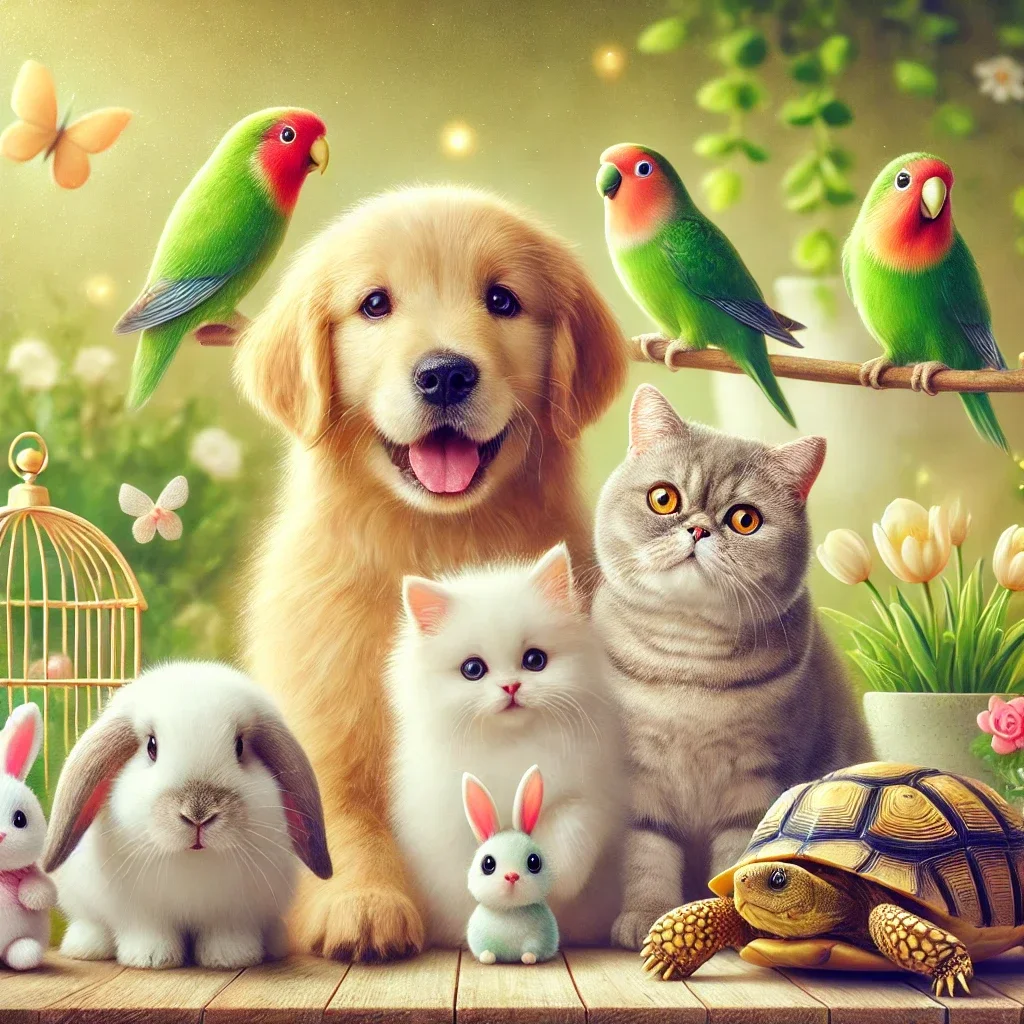
When space is limited but the desire for companionship is big, many owners turn to Cute Small Pets as a delightful alternative to traditional dogs and cats. From tiny rodents that love to explore a maze to feathered friends that brighten a room with song, these animals bring personality, low‑maintenance care, and a surprising amount of affection. This guide explores the most popular options, practical care tips, and how to match the right pet to your lifestyle, helping you make an informed, responsible choice.
Why Consider Small Pets Over Larger Companions?
Small pets occupy far less square footage than dogs or cats, making them ideal for apartments, dorm rooms, or homes with limited outdoor access. Their daily upkeep—feeding, cleaning, and exercise—typically requires less time, which can fit neatly into a busy schedule. Additionally, many small animals have a longer lifespan than you might expect; for example, pet rabbits often live 8‑12 years with proper care, offering years of companionship. Finally, the initial cost of setting up a habitat for a hamster, guinea pig, or a small bird is generally lower than purchasing a larger pet, appealing to budget‑conscious families.
Top Cute Small Pets to Consider
Below is a curated list of popular, low‑maintenance animals that consistently rank high among first‑time pet owners. Each entry includes a brief description and a reputable source for deeper research.
- Hamsters – Energetic nocturnal rodents that thrive in a compact cage with a wheel and tunnels. They are inexpensive, easy to handle, and excellent for teaching kids responsibility. Learn more
- Guinea Pigs – Social, gentle herbivores that enjoy daily interaction and require a larger enclosure than hamsters. Their vocal chirps make them endearing companions. Learn more
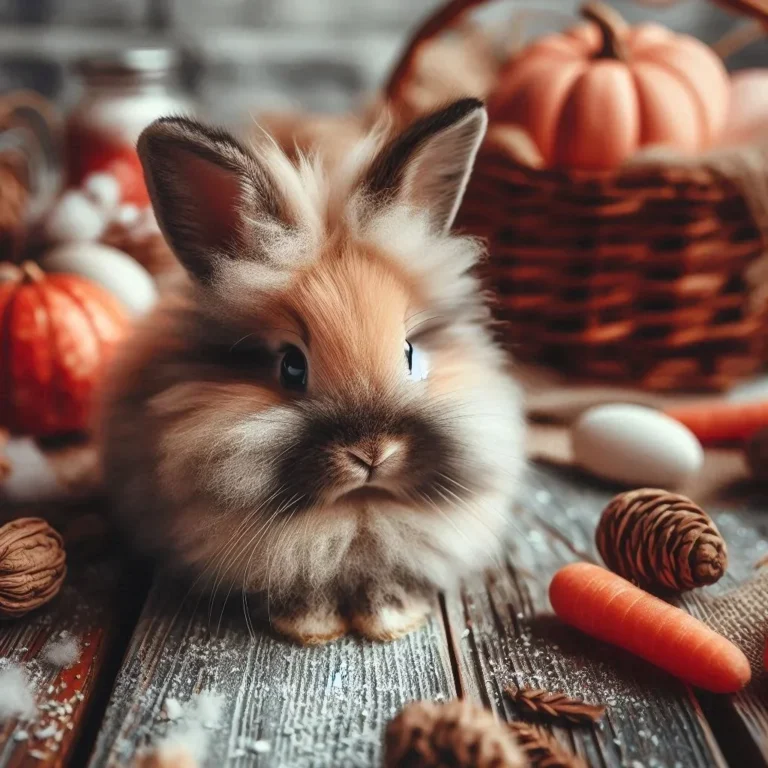
- Rabbits – Intelligent lagomorphs that can be litter‑trained and love to hop around a safe playpen. They need fresh hay, vegetables, and regular grooming. Learn more
- Budgies (Parakeets) – Small, colorful birds known for their mimicry and social nature. They thrive with daily mental stimulation and can be taught simple tricks. Learn more
- Chinchillas – Soft‑furred rodents that love dust baths and need a cool, dry environment. Their lifespan can exceed 10 years with proper care. Learn more
- Hedgehogs – Nocturnal mammals with a unique spiny exterior. They require a spacious cage, a balanced diet, and regular handling to stay friendly. Learn more
Essential Care Tips for Small Pet Owners
Even the most low‑maintenance animals need consistent attention to thrive. Below are key areas to focus on, ensuring your cute small pets remain healthy and happy.
- Habitat Size and Safety – Provide enough space for movement; a hamster wheel, a rabbit playpen, or a bird cage with perches each meet species‑specific needs. Avoid wire flooring that can cause foot injuries.
- Balanced Nutrition – Research the precise dietary requirements: hamsters need high‑protein pellets, guinea pigs require vitamin C‑rich foods, and budgies thrive on seed mixes supplemented with fresh veggies.
- Regular Cleaning – Spot‑clean daily and perform a full habitat overhaul weekly. This reduces the risk of respiratory infections, especially in sensitive species like chinchillas.
- Social Interaction – Many small animals are solitary (e.g., hamsters) while others (guinea pigs, rabbits) benefit from companionship. Observe behavior and adjust accordingly.
- Veterinary Care – Identify a veterinarian who specializes in exotics. Routine check‑ups, vaccinations for rabbits, and parasite prevention for hedgehogs are essential.
For additional guidance on small‑animal health, consult reputable sources such as the American Veterinary Medical Association or the ASPCA pet care pages.
Choosing the Right Pet for Your Lifestyle
Before bringing home a new friend, match the animal’s needs with your living situation and daily routine. Ask yourself the following questions:
- Do I have at least 30 minutes each day for interaction and enrichment?
- Is my home quiet enough for a nocturnal animal, or would a daytime bird suit me better?
- Can I commit to a pet that may live 10+ years, such as a rabbit or chinchilla?
- Do I have the budget for quality food, bedding, and veterinary visits?
By aligning expectations with reality, you reduce the likelihood of pet abandonment—a growing concern highlighted by the U.S. Department of Agriculture in its pet welfare reports.
Conclusion: Embrace the Joy of Cute Small Pets
Choosing a Cute Small Pet can enrich your life with companionship, teach responsibility, and fit seamlessly into compact living spaces. Whether you’re drawn to the gentle coo of a budgie, the soft fur of a chinchilla, or the playful scurry of a hamster, each animal offers unique rewards. Take the time to research, prepare an appropriate habitat, and commit to lifelong care. Ready to start your small‑pet journey? Explore our detailed care guides, join a community of fellow enthusiasts, and bring home a new friend today!
Frequently Asked Questions
Q1. What are the best cute small pets for beginners?
Hamsters, guinea pigs, and budgies are popular choices because they are easy to handle, have modest space requirements, and are relatively inexpensive to start. They also have a gentle temperament that suits first‑time owners. Each species offers unique behaviors, so you can pick one that matches your interests.
Q2. How much space does a small pet need?
Even tiny pets need enough room to move, explore, and exercise. A hamster requires at least a 450‑square‑inch cage with a wheel, while a rabbit benefits from a large pen or a 4‑square‑foot play area. Birds like budgies need a cage at least 18×18×24 inches with space for perches and toys.
Q3. What should I feed my rabbit or guinea pig?
Rabbits thrive on unlimited fresh hay, a small amount of high‑fiber pellets, and daily vegetables such as carrots, kale, and bell peppers. Guinea pigs need hay, fortified pellets, and plenty of vitamin C‑rich foods like bell peppers, cilantro, and oranges to prevent scurvy. Always provide clean water and avoid sugary treats.
Q4. How often should I clean my small pet’s cage?
Spot‑clean daily by removing waste and uneaten food, and perform a full clean‑out weekly, replacing bedding and disinfecting surfaces. Species like chinchillas benefit from a dust bath and regular cage cleaning to prevent respiratory issues. Consistent cleaning keeps odors down and promotes a healthier environment.
Q5. Do small pets require veterinary care?
Yes, routine veterinary visits are important for early disease detection and proper vaccinations, especially for rabbits and hedgehogs. Find a vet who specializes in exotic or small‑animal medicine. Regular check‑ups, dental care for rodents, and parasite prevention are essential for long, happy lives.