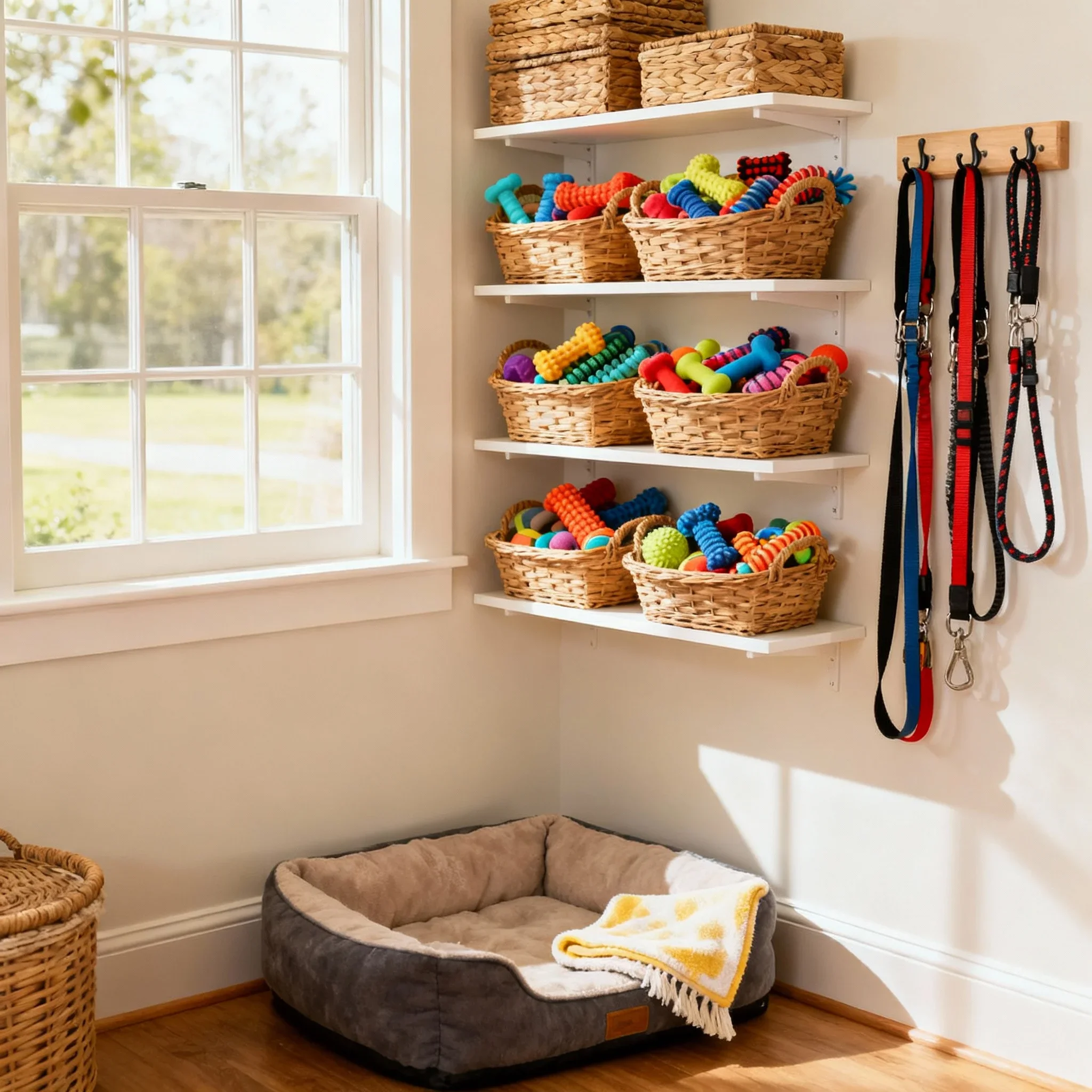
Cute Low Space Pets Guide
Finding the perfect companion for a small apartment or a cozy home can feel like a puzzle. When space is limited, the search for a pet that fits comfortably without compromising comfort or cleanliness becomes paramount. Enter the world of Cute Low Space Pets—small, affectionate, and surprisingly adaptable animals that thrive in compact environments. Whether you’re a first‑time pet owner, a busy professional, or simply looking for a low‑maintenance friend, this guide will help you discover the ideal small pet that brings joy without taking up too much room.
Why Small Pets Are Ideal for Compact Living
Urban dwellers often face constraints such as limited square footage, strict lease agreements, and a need for easy upkeep. Small pets address these challenges in several ways:
- Space Efficiency: Their small size means they can comfortably share a room with you, a couch, or even a balcony.
- Low Maintenance: Many small pets require minimal grooming, feeding, and exercise routines.
- Quiet Companionship: They typically produce less noise than larger animals, making them suitable for shared living spaces.
- Affordability: Initial costs and ongoing expenses are often lower compared to larger pets.
Top Cute Low Space Pets for Your Home
Below are five of the most popular small pets that excel in tight spaces. Each option comes with its own set of care requirements and personality traits, so consider your lifestyle and preferences before making a decision.
1. Guinea Pigs – Gentle and Social
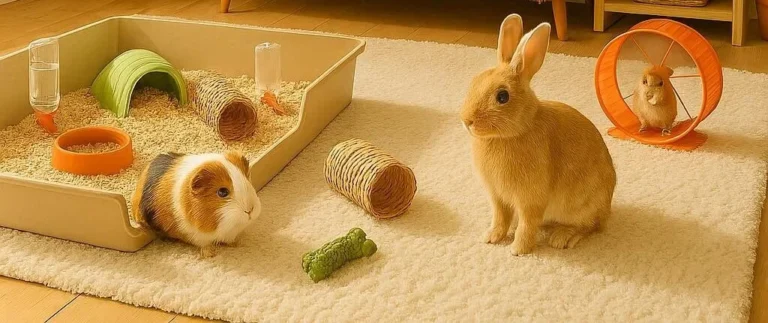
Guinea pigs are beloved for their docile nature and expressive personalities. They thrive in pairs or small groups, making them excellent companions for families or individuals who enjoy interactive pets. According to the Wikipedia entry on guinea pigs, they require a spacious cage, a balanced diet of hay and fresh vegetables, and regular social interaction. Their gentle demeanor and low noise level make them a top choice for apartment living.
2. Betta Fish – Colorful and Low‑Maintenance
Betta fish, also known as Siamese fighting fish, are strikingly beautiful and require minimal space. A single betta can thrive in a 5‑gal tank, and they do not need a filtration system if the water is changed weekly. The American Veterinary Medical Association recommends a stable temperature of 76–82°F and a diet of high‑quality betta pellets. Their vibrant colors and graceful movements add a touch of elegance to any room.
3. Hermit Crabs – Quiet and Fascinating
Hermit crabs are unique low‑space pets that offer a blend of curiosity and ease of care. They need a terrarium with a humidity level of 70–80% and a variety of shells for growth. The CDC’s animal health page notes that hermit crabs are generally safe for households with children, provided they are handled gently. Their nocturnal habits and shell‑changing rituals make them a fascinating addition to a small living space.
4. African Dwarf Frogs – Tiny Amphibians
These miniature frogs are perfect for those who enjoy amphibian care without the bulk of a larger terrarium. African dwarf frogs require a 10‑gal tank with a water temperature of 75–80°F and a pH of 6.5–7.5. They are social creatures that thrive in groups, and their playful antics can brighten any corner of your home. The PetMD fish care guide provides detailed feeding and tank maintenance tips.
5. Small Dog Breeds – Loyal and Compact
For those who prefer a four‑legged friend with a wagging tail, small dog breeds such as the French Bulldog, Cavalier King Charles Spaniel, or Boston Terrier offer companionship without the space demands of larger dogs. These breeds typically require moderate exercise, regular grooming, and a balanced diet. The American Pet Products Association highlights that small dogs can adapt well to apartment life when given sufficient mental stimulation.
Essential Care Tips for Small Pets
Regardless of the species you choose, certain care principles apply to all cute low space pets:
- Provide Adequate Space: Even small pets need a habitat that allows them to move freely. Overcrowding can lead to stress and health issues.
- Maintain Cleanliness: Regular cleaning of cages, tanks, or enclosures prevents odors and disease.
- Offer Proper Nutrition: Follow species‑specific dietary guidelines to ensure balanced nutrition.
- Ensure Social Interaction: Many small pets thrive on companionship, whether with humans or other animals.
- Monitor Health: Watch for signs of illness such as lethargy, changes in appetite, or abnormal behavior, and consult a veterinarian promptly.
Choosing the Right Pet for Your Lifestyle
When selecting a cute low space pet, consider the following factors:
- Time Commitment: Some pets, like guinea pigs, require daily interaction, while others, like betta fish, need less frequent handling.
- Allergies: If you or a household member has allergies, hypoallergenic breeds or species may be preferable.
- Noise Levels: Small pets generally produce minimal noise, but some, like certain dog breeds, may bark more frequently.
- Longevity: Understand the lifespan of the pet to ensure you’re prepared for long‑term care.
Conclusion: Embrace the Joy of Small Companions
Adopting a cute low space pet can transform a modest living area into a vibrant, affectionate home. These small companions offer companionship, entertainment, and a sense of responsibility that enrich daily life. Whether you choose a guinea pig, betta fish, hermit crab, African dwarf frog, or a small dog, the right pet will fit seamlessly into your space and schedule.
Frequently Asked Questions
Q1. What are the best small pets for apartment living?
Small pets such as guinea pigs, betta fish, hermit crabs, African dwarf frogs, and certain small dog breeds are ideal for apartments. They require less space, produce minimal noise, and are generally low‑maintenance. Choosing the right pet depends on your lifestyle, time commitment, and any allergies you may have. Each species offers unique companionship and care needs that fit compact living. By researching and planning, you can find a pet that thrives in your home.
Q2. How much space does a guinea pig need?
Guinea pigs should have a cage that is at least 7.5 square feet per animal, with a height of 12 inches. A larger enclosure allows them to hop, climb, and explore, reducing stress. Provide bedding, hiding spots, and a ramp for easy access. Regular cleaning and enrichment keep them healthy and happy. Overcrowding can lead to aggression and health issues.
Q3. Can betta fish be kept in a 5‑gal tank?
Yes, a single betta fish can thrive in a 5‑gal tank, provided the water is changed weekly and the temperature is kept between 76–82°F. A small tank reduces evaporation and makes maintenance easier. Avoid using a filter, as bettas prefer still water, but a sponge filter can help keep water clean. Add live plants for oxygen and hiding spots. Monitor water quality to prevent ammonia buildup.
Q4. Are hermit crabs safe for children?
Hermit crabs are generally safe for households with children, as long as they are handled gently and kept in a secure enclosure. They are non‑aggressive and can be educational for kids to observe shell‑changing rituals. Ensure the terrarium has proper humidity and temperature, and keep the enclosure out of reach of small pets that might harm them. Supervised interaction teaches responsibility and respect for wildlife. Always wash hands after handling.
Q5. What are the care requirements for small dogs in apartments?
Small dogs such as French Bulldogs, Cavalier King Charles Spaniels, or Boston Terriers need moderate exercise, regular grooming, and mental stimulation. Daily walks, playtime, and puzzle toys help prevent boredom. They should have a comfortable sleeping area and a safe space to retreat. Regular vet check‑ups and a balanced diet keep them healthy. Providing companionship and training strengthens the bond.