Cute Little Pets for Indoor Living
Finding the perfect companion for a compact home or a bustling apartment can feel like a puzzle, especially when space is at a premium and noise levels matter. Cute Little Pets for Indoor Living provide an elegant solution: they are small, generally low‑maintenance, and bring joy without overwhelming a limited floor plan. In this guide we explore why these tiny friends are ideal for indoor environments, which species thrive best, essential care routines, and how to keep both pet and owner happy and healthy.
Why Choose Cute Little Pets for Indoor Living
Urban dwellers often prioritize quiet, clean, and low‑maintenance companions. Cute little pets fit that niche perfectly for several reasons:
- Size matters – Most indoor‑friendly pets weigh under a kilogram, making them easy to relocate and store.
- Quiet nature – Unlike larger dogs, many of these animals are virtually silent, ideal for shared walls and close neighbours.
- Minimal space requirements – A modest cage, aquarium, or terrarium is all they need, freeing up valuable living area.
- Low grooming needs – Species such as hamsters or dwarf rabbits require only occasional brushing.
According to the U.S. Centers for Disease Control and Prevention, proper handling and hygiene can reduce any potential health risks associated with small mammals, reinforcing that these pets are safe choices when owners follow basic guidelines.
Top Species That Thrive Indoors
Not every tiny animal adapts equally to indoor life. Below is a curated list of the most adaptable, temperament‑tested candidates for apartments, condos, or even spacious rooms:
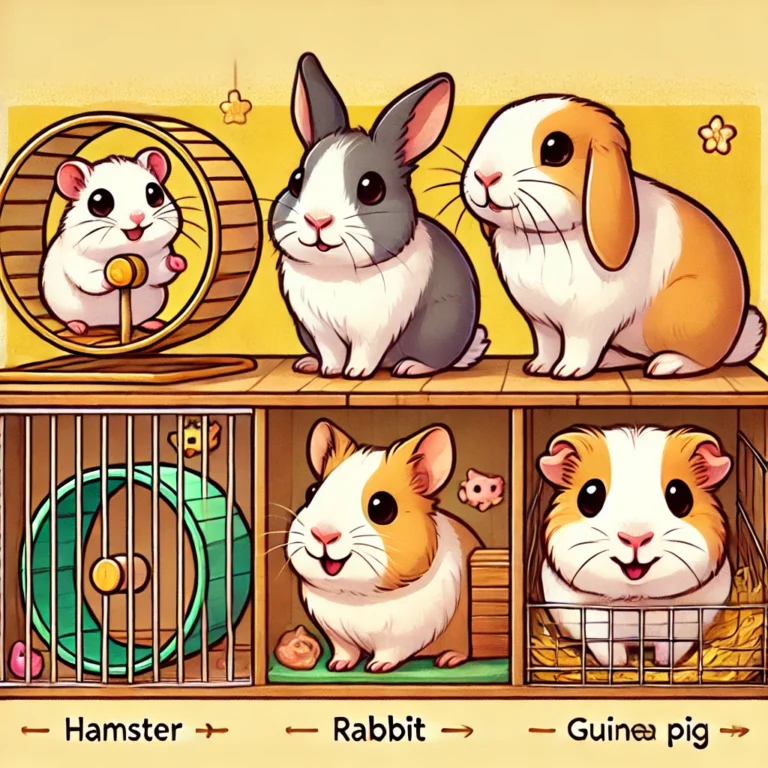
- Hamsters – Syrian and dwarf varieties are nocturnal, low‑maintenance, and love a simple wheel.
- Betta fish – Stunning colors and a modest tank make them a visual centerpiece.
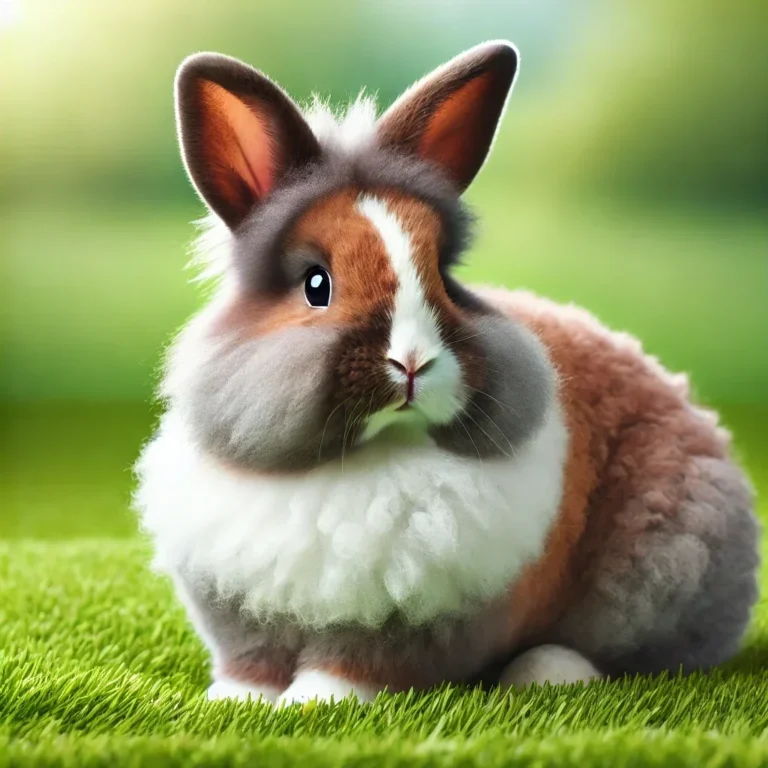
- Dwarf rabbits – Their soft fur and gentle demeanor suit calm households; they enjoy supervised floor time.
- Leopard geckos – Hardy reptiles that require only a small terrarium with proper heat gradients.
- Fancy mice – Intelligent and social, they thrive in pairs with enrichment toys.
Each species is covered in depth on reputable sites like Wikipedia and AVMA, offering reliable data on lifespan, diet, and housing.
Care Tips for Small Apartment Pets
Even the cutest indoor pet needs a consistent routine. Below are essential care practices that keep your companion thriving:
- Habitat hygiene – Spot‑clean daily, change bedding weekly, and perform a full clean every 30 days to prevent mold and odor.
- Balanced nutrition – Choose species‑specific foods fortified with vitamins; supplement with fresh vegetables for herbivores.
- Environmental enrichment – Rotate toys, provide tunnels, and vary climbing structures to prevent boredom.
- Regular health checks – Monitor weight, coat condition, and activity level; schedule a veterinary visit at least once a year.
For hypoallergenic concerns, consult the National Institutes of Health which outlines which small pets tend to produce fewer allergens.
Health and Safety Considerations
Safety is a two‑way street: protecting your pet while safeguarding your home. Follow these guidelines to maintain a harmonious indoor environment:
- Secure enclosures – Ensure cages or terrariums have lockable doors and sturdy bars to prevent escapes.
- Electrical safety – Keep heating pads, lamps, and water dishes away from cords and outlets.
- Pet‑proofing – Remove toxic plants, small choking hazards, and chemicals from reach.
- Allergy management – Keep cleaning tools separate, wash hands after handling, and consider air purifiers.
The Health Canada provides detailed advice on dog‑ and cat‑related allergens, much of which applies to small mammals and reptiles as well.
Integrating Your Pet into Daily Life
One of the most rewarding aspects of Cute Little Pets for Indoor Living is the ability to weave them into your routine without major disruption. Schedule short interaction sessions—five minutes in the morning and evening—to build trust and provide mental stimulation. Use a feeding schedule synced with your own meals, turning mealtime into a shared ritual.
When guests visit, place the pet’s enclosure in a quiet corner and inform visitors of handling rules. This respects both the animal’s stress thresholds and social etiquette of shared living spaces.
Choosing the Right Supplies
Investing in quality equipment pays dividends in longevity and health. Essential items include:
- Ventilated cage or aquarium with secure lid.
- Appropriate substrate—paper bedding for rodents, sand for reptiles.
- Food bowls made of stainless steel to prevent bacterial growth.
- Enrichment toys: tunnels, wheels, climbing branches.
- Temperature and humidity monitors for species that need precise climates.
Consult product reviews from reputable pet‑care institutions like the American Zoo and Aquarium Association to ensure safety standards.
Conclusion
Choosing Cute Little Pets for Indoor Living offers a balanced blend of companionship, convenience, and charm—perfect for modern dwellers who value space, serenity, and a touch of nature. By selecting the right species, maintaining clean habitats, and adhering to health‑first practices, you’ll create a thriving environment for your tiny friend and enjoy the many emotional benefits pets provide.
Ready to welcome a new indoor companion? Explore our curated guide, pick the perfect pet, and start your journey toward a happier, pet‑friendly home today.
Frequently Asked Questions
Q1. What are the best small pets for a compact apartment?
Small, low‑maintenance animals like hamsters, dwarf rabbits, betta fish, and leopard geckos are ideal. They require minimal space, produce little noise, and fit easily into a modest cage or tank. These species also adapt well to indoor temperature and lighting conditions, making them perfect for city living.
Q2. How much space does a hamster need?
A hamster thrives in a cage that provides at least 450 square inches of floor space and a height of 12 inches. Include a solid base, a running wheel, and tunnels for enrichment. Regular cleaning keeps the habitat safe and odor‑free.
Q3. Are betta fish suitable for beginners?
Yes, betta fish are hardy and require a tank of at least 2.5 gallons with a lid to prevent jumping. They need warm water (78‑80°F) and a gentle filter, but they do not demand complex water changes. Feeding them a quality betta pellet diet supplemented with occasional treats keeps them vibrant.
Q4. What health checks should I perform on a dwarf rabbit?
Inspect your rabbit weekly for signs of overgrown teeth, nasal discharge, or changes in appetite. Weigh them regularly and ensure their fur is clean and free of mats. Schedule a veterinary exam at least once a year for vaccinations and dental evaluation.
Q5. How can I reduce allergens from small pets?
Use HEPA air purifiers, wash hands after handling, and keep cages on non‑carpeted surfaces. Choose bedding made of paper or aspen shavings, which produce fewer dust particles. Regular cleaning of enclosures and vacuuming the room helps maintain a low‑allergen environment.